
Maximising Brick-and-Mortar ROI Through Experiential Store Design
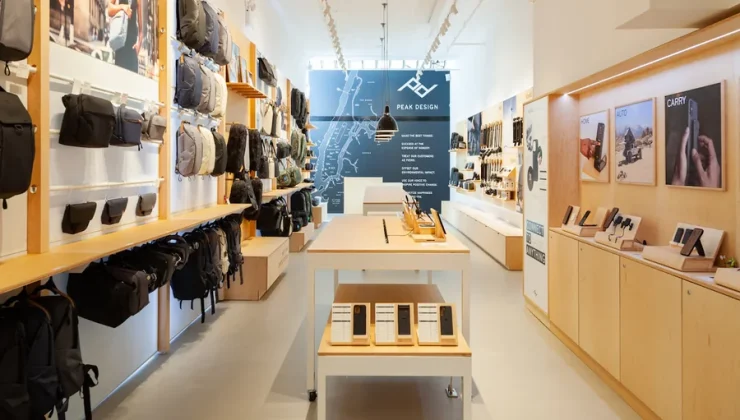
In an era dominated by e-commerce convenience, the physical storefront has had to rapidly evolve to remain competitive. Today, successful brick-and-mortar locations are no longer just places to hold inventory. They function as immersive brand environments designed to engage customers on a multi-sensory level. For business owners and corporate strategists, this shift means viewing commercial store design not as an unavoidable capital expense, but as a dynamic driver of return on investment. Modern consumers expect a compelling reason to leave their homes and visit a physical location. By prioritising experiential elements and strategic layouts, retailers can significantly boost customer dwell time, increase average transaction values, and build lasting brand loyalty. The modern Australian retail landscape demands that businesses continuously innovate to capture the attention of increasingly discerning shoppers.
The Psychology Behind Foot Traffic and Space Layout
The financial success of a physical store often begins the moment a customer steps through the front door. Every square metre of a commercial space holds the potential to guide consumer behaviour and influence purchasing decisions. The structural flow of a store subconsciously tells shoppers where to look, what to touch, and ultimately, what to buy. Understanding these subtle psychological cues is essential for maximising the revenue potential of a physical location.
Strategic layout choices directly impact in-store spending, and the data backs this up. According to insight from the Forbes Business Council, research indicates that 90 percent of consumers instinctively turn right upon entering a store. Knowing this behavioural bias allows businesses to place high-margin products or engaging promotional displays in this prime real estate. Furthermore, establishing a proper decompression zone just inside the entrance allows customers to transition smoothly from the busy street outside into the shopping environment. This transitional area puts shoppers in a more relaxed and receptive state of mind, which directly translates to a higher likelihood of making a purchase. Retailers must carefully map out these zones to ensure the journey feels natural rather than forced.
Translating Conceptual Design into Commercial Reality
Understanding the psychology of a retail space is only half the equation. The other half involves executing these concepts to an exceptionally high standard. When undertaking comprehensive retail fitouts, a visionary floor plan requires meticulous construction and installation to ensure that the physical environment safely and effectively supports the intended customer journey. This means engaging the right expertise to handle spatial planning, structural modifications, and seamless technological integration.
A well-executed project transforms a structural shell into a highly functional commercial asset. It ensures that the brand aesthetic is matched by durable materials, compliant infrastructure, and an intuitive flow that naturally encourages shoppers to explore the entire product range. A poorly executed physical space can easily create bottlenecks and detract from the overall brand perception. This misalignment between design and execution often leads to lost sales opportunities and decreased customer satisfaction.
Key Elements of an ROI-Driven Environment
To truly capitalise on the financial benefits of an experiential retail design, businesses need to implement several core principles. These elements work together to create an environment that encourages shoppers to linger, engage, and ultimately finalise a purchase. Incorporating thoughtful design details ensures that the physical store operates as a highly effective sales tool rather than just a storage facility.
Consider focusing on the following strategic upgrades to boost store performance:
- Sensory Engagement: Integrate subtle, brand-aligned elements like ambient music, pleasant background scents, and tactile surfaces. Engaging multiple senses creates a memorable physical experience that cannot be easily replicated through an online screen.
- Strategic Lighting: Use professional lighting to highlight key merchandise and subtly guide the customer journey. Bright, focused lighting draws attention to premium product displays, while softer ambient lighting can make browsing areas feel more comfortable and inviting.
- Flexible Fixtures: Implement modular shelving and movable display units. This approach allows retail staff to frequently update the store layout, keeping the shopping experience fresh for returning customers without requiring expensive structural changes.
- Interactive Touchpoints: Create dedicated areas for product demonstrations, digital kiosks, or comfortable seating zones. These spaces naturally increase the time customers spend interacting with the brand and foster a strong sense of community.
Future-Proofing the Physical Storefront
The evolution of the physical store represents a significant opportunity for growth-focused retailers across Australia. By moving away from static displays and embracing experiential design, businesses can create compelling physical destinations that actively drive revenue. The integration of psychological layout strategies, high-quality commercial construction, and engaging sensory elements all play vital roles in modern commercial success.
As consumer expectations continue to rise, maintaining a static environment is no longer a viable business strategy. Retailers must be willing to adapt their physical spaces to accommodate new technologies and shifting market trends. Ultimately, treating the store environment as a dynamic, interactive marketing channel ensures that brick-and-mortar investments continue to yield strong financial returns well into the future. Embracing these design principles is the key to thriving in a competitive marketplace.