
4 Surprising Ways Chewing Habits Affect Oral Health
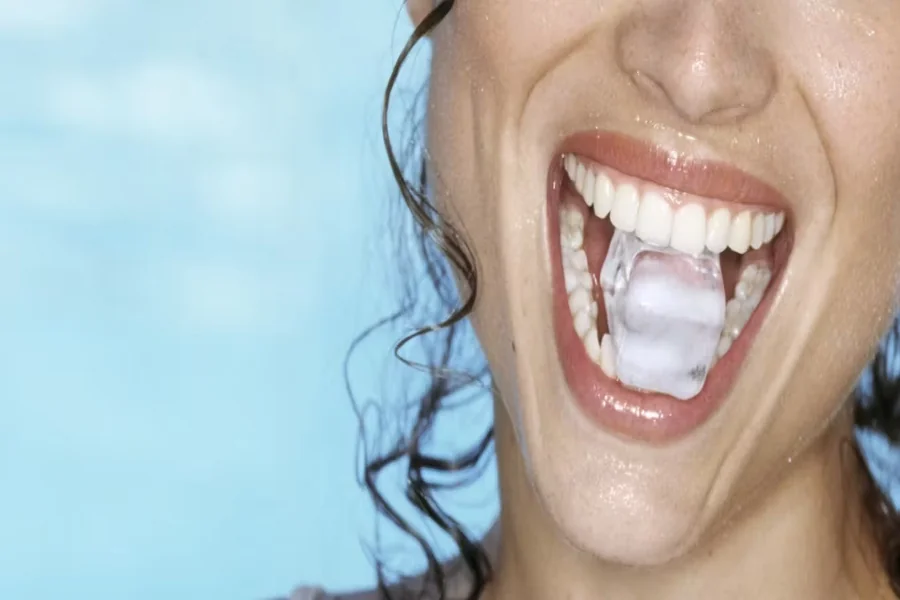
You might not think twice about your chewing habits, but they play a critical role in your oral health. Some habits, like chewing on ice, can harm your teeth. Others, such as slow, thorough chewing, can improve digestion and oral hygiene. Each bite either contributes to or detracts from your mouth’s well-being. For instance, choosing sugarless gum can reduce plaque formation. Additionally, how you chew impacts jaw alignment and can make treatments like Invisalign Dallas more effective. Chewing habits influence more than just your teeth. They can affect your gums, jaw, and overall health. Poor chewing can cause wear, cavities, and missed dental issues. It’s time to consider what your chewing habits might be doing beneath the surface. We’ll explore four surprising ways these habits impact your mouth and how you can make small changes that yield big results.
1. Impact on Tooth Wear and Tear
Chewing habits can significantly affect the wear and tear of your teeth. Frequently chewing on hard objects like ice or pens can lead to cracks and chips. These habits weaken the enamel, the outer layer of your teeth, making them more susceptible to decay. When you chew properly, you distribute pressure evenly across your teeth, preserving their structure. According to the National Institutes of Health, tooth enamel is the hardest substance in the human body. However, it’s not invincible. Avoid hard, non-food items to keep your enamel strong.
2. Influence on Jaw Health
Your jaw benefits from healthy chewing habits. Incorrect chewing can put stress on your temporomandibular joint (TMJ), leading to discomfort or disorders. This joint connects your jawbone to your skull. Chewing predominantly on one side of your mouth can cause imbalances and pain. Balanced chewing supports even development of jaw muscles and can prevent TMJ issues. The American Dental Association suggests maintaining a balanced diet and chewing evenly to promote jaw health.
3. Effects on Digestion
Proper chewing is the first step in the digestive process. Chewing breaks down food, making it easier for your stomach to digest. This action also stimulates saliva production, which contains enzymes that begin food breakdown. Poor chewing can lead to digestive problems, such as bloating or indigestion. Thorough chewing allows for better nutrient absorption and keeps your digestive system functioning smoothly.
4. Role in Oral Hygiene
Chewing sugarless gum after meals can reduce the risk of cavities. Gum-chewing increases saliva flow, which helps wash away food particles and neutralize harmful acids. According to the Centers for Disease Control and Prevention, good saliva flow is vital for oral health because it helps protect against tooth decay. Choose sugarless gum with xylitol, a natural sweetener that can reduce decay-causing bacteria.
Comparison of Chewing Habits and Oral Health Effects
| Chewing Habit | Positive Effects | Negative Effects
|
|---|---|---|
| Chewing on Ice | – | Enamel damage, cracking |
| Chewing Sugarless Gum | Increases saliva, reduces plaque | – |
| Chewing on One Side | – | Jaw imbalance, TMJ issues |
| Thorough Chewing | Improves digestion, nutrient absorption | – |
In conclusion, your chewing habits are more important than they seem. They impact your teeth, jaw, and digestive health. Recognizing and changing harmful habits can prevent dental issues and improve your health. Remember, the small act of chewing can make a big difference. Embrace healthy chewing habits to maintain strong teeth and a pain-free jaw.