
4 Ways Restorative Dentistry Improves Everyday Function
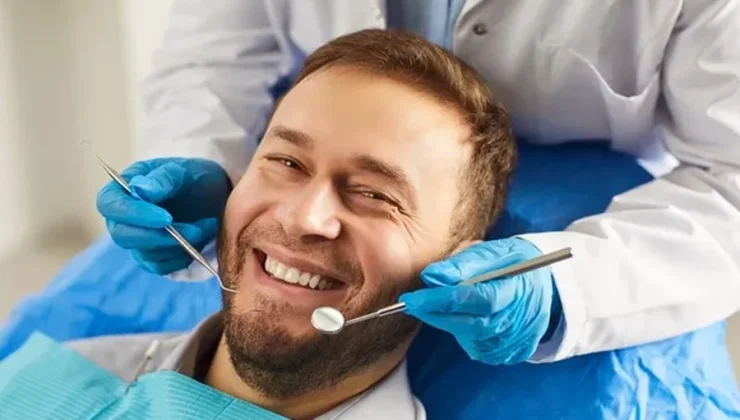
Everyday tasks can feel hard when your teeth hurt or do not work well. You may chew on one side. You may avoid certain foods. You may even hide your smile in photos. These quiet struggles wear you down. Restorative dentistry focuses on fixing damaged or missing teeth so you can eat, speak, and smile with ease again. A family dentist in North San Antonio can use simple, proven treatments that fit your needs and routine. You do not have to live with pain, sharp edges, or gaps. Instead, you can regain strength, balance, and comfort in your bite. This blog explains four clear ways restorative care improves daily function. You will see how small repairs can lead to big changes in your day. You deserve a mouth that supports your life, not one that holds you back.
1. You Chew Food Better and With Less Strain
Chewing should feel simple. When teeth are cracked, worn, or missing, your jaw works harder. You may swallow larger pieces of food. That can upset your stomach and affect your nutrition.
Restorative treatments help you chew on both sides of your mouth again. These include
- Fillings for small cavities
- Crowns for broken teeth
- Bridges or implants for missing teeth
Each repair spreads the bite force more evenly. Your jaw muscles work less. Your remaining teeth face less pressure and damage.
The National Institute of Dental and Craniofacial Research explains that missing or painful teeth can limit what you eat and change how you chew.
After treatment you can
- Eat a wider range of foods
- Spend less time cutting food into tiny pieces
- Protect your jaw from fatigue
This change is quiet but powerful. You gain steady energy from better food choices. You also protect your body from stress that builds over time.
2. You Speak More Clearly and With More Confidence
Your teeth help shape many sounds. Missing front teeth or loose dentures can affect words like “s,” “f,” and “th.” You may repeat yourself. You may avoid certain words. That can make work, school, and family talks feel tense.
Restorative dentistry gives your tongue and lips a stable surface to form sounds. Well fitted crowns, bridges, and dentures help you speak in a clear, steady way.
After treatment you may notice that you
- Do not slur or whistle on certain sounds
- Answer questions in class or at work without fear
- Join family talks instead of staying quiet
The Centers for Disease Control and Prevention notes that tooth loss affects daily social life and work. You can see data on tooth loss and quality of life at the CDC site.
Clear speech is not only about sound. It is about trust. When your mouth feels steady, you speak up more. You share ideas. You ask for help when you need it. That supports mental health and strong relationships.
3. You Reduce Pain and Protect Your Other Teeth
Ongoing tooth pain drains your energy. You may use one side of your mouth to avoid a sore tooth. That extra pressure can damage other teeth and your jaw joints.
Restorative care removes decay, seals cracks, and replaces missing teeth. This breaks the pain cycle. It also shields nearby teeth from extra wear.
Here is a simple comparison of daily life before and after common restorative treatment.
| Everyday Task | Before Treatment | After Restorative Treatment
|
|---|---|---|
| Chewing dinner | Sharp pain. You avoid hard foods. You chew on one side. | Steady bite. You chew on both sides. You eat most foods. |
| Morning routine | Throbbing tooth distracts you. You skip brushing sore spots. | Calm mouth. You brush all teeth. You keep a steady routine. |
| Work or school | Pain pulls your focus. You use pain pills to get through the day. | Better focus. Less need for pain pills. More steady energy. |
| Social time | You avoid cold drinks. You hide your discomfort. | You drink and eat with others. You stay present in the moment. |
Pain relief is not only about comfort. It helps you sleep, focus, and manage stress. It also lowers the risk of infections that can spread to other parts of your body.
4. You Support Long Term Health and Independence
Teeth problems rarely stay small. A tiny cavity can grow. A worn filling can crack. A missing tooth can cause nearby teeth to shift. That can affect your bite and even your face shape.
Restorative treatment helps you keep your own teeth as long as possible. That supports your independence as you age. You can keep eating regular food. You can keep speaking and smiling without complex devices.
Many people wait because they feel shame or fear. That delay often leads to more complex and costly care. Early repairs are usually simpler. They remove less tooth structure and last longer. This protects your health and your budget.
Here are three smart steps you can take now
- Schedule a checkup and share any pain, clicking, or chewing trouble
- Ask your dentist to explain the simplest repair that solves the problem
- Set a clear plan for treatment and follow up care
The goal is not a perfect smile. The goal is a strong, steady mouth that lets you live your life without constant worry.
Taking the Next Step
You do not need to “tough it out” with broken or missing teeth. Restorative dentistry gives you four clear gains. You chew with less strain. You speak with more ease. You feel less pain. You protect your long term health and independence.
Each repair is a choice to respect your body. You deserve to eat dinner without fear, speak without shame, and smile without hiding. Reach out to a trusted dental office. Ask direct questions. Expect clear answers. Your everyday life can feel lighter once your teeth work for you again, not against you.