
5 Benefits Of Choosing An Orthodontist Over Diy Aligners
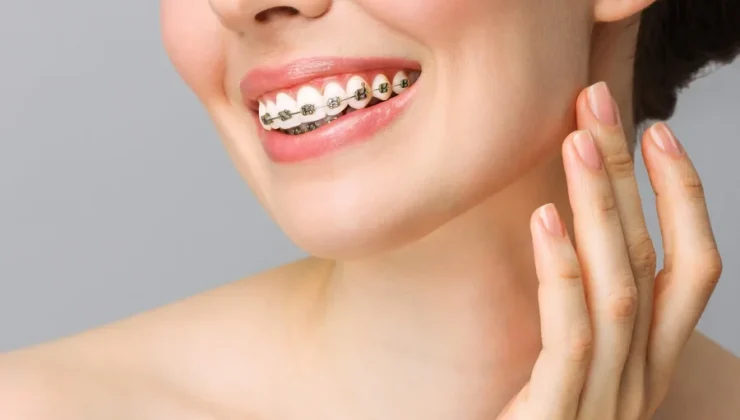
You want straighter teeth. You also see ads for cheap mail-order trays. The choice feels simple. It is not. Your smile, your bite, and your long-term comfort sit on that choice. A Whittier orthodontist studies tooth movement and jaw growth for years. You get a trained eye on every shift of your teeth. You also get a real exam, real X-rays, and real answers when something hurts or feels off. By comparison, do-it-yourself aligners leave you alone with a plastic tray and an online form. No one checks your gums. No one checks your roots. No one checks your jaw joints. This blog explains five clear benefits of choosing an orthodontist instead of a mail-order kit. You will see how expert care can protect your health, your money, and your peace of mind.
1. You get a full health check, not just straight teeth
Teeth do not move in isolation. They sit in bone. They press on the gums. They affect the jaw joints and airway. A licensed orthodontist looks at all of this before any tray goes in your mouth.
An in-person exam usually includes:
- Review of your medical and dental history
- Full mouth exam for cavities and gum disease
- X-rays to check roots and bone support
- Photos and bite records to see how your teeth fit
The American Dental Association warns that moving teeth without an exam can cause loss of teeth and bone.
By contrast, many diy aligner companies rely on mailed impressions or a quick scan in a store. No one checks for silent gum disease. No one tests if a tooth is already weak. You carry the risk if something goes wrong.
2. Your plan is custom, not one size fits all
Every month is different. Crowding, gaps, deep bites, open bites, crossbites, and jaw shifts all need different plans. An orthodontist designs a step-by-step plan that fits your mouth and your goals.
In person care gives you:
- A plan that matches your growth stage if you are a child or teen
- Options if you need braces, aligners, or a mix of both
- Room to change the plan if your teeth respond in a new way
Diy systems often rely on software that predicts straight teeth on a screen. The model can look neat. Yet your teeth may not move as the software predicts. When that happens, you often get extra trays or are told you reached the limit of the product. There is no real plan B.
3. You have someone watching you the whole time
Teeth move slowly. The path from crooked to straight passes through many stages. Some stages are safe. Some are not. Regular checkups let an orthodontist catch trouble early.
During treatment, an orthodontist checks for:
- Gums that swell or bleed
- Roots that shorten on x rays
- Teeth that tip too far forward or backward
- Jaw pain, headaches, or changes in your bite
If you use diy aligners, you may only send photos or short notes online. The person reviewing your case may never see your teeth in person. Subtle warning signs go unseen. You might not notice a problem until a tooth chips or a bite feels off when you chew.
4. You protect your bite and jaw for the long term
Straight front teeth look nice in photos. Yet a healthy bite is what protects your teeth for life. The bite is how your upper and lower teeth meet when you close.
When the bite is off, you can have:
- Chipped front teeth
- Worn down back teeth
- Jaw joint pain and clicking
- Headaches and muscle strain
Orthodontists train to align both teeth and jaws. They measure your bite from many angles. They plan how your teeth will contact when you chew, talk, and rest.
Diy systems often focus only on the front teeth that show when you smile. They may not correct deeper bite problems.
5. You know the true cost and risk
Mail-order aligners can look cheaper at first. The monthly price seems low. Yet you need to count the full cost.
Here is a simple comparison.
| Factor | Orthodontist care | Diy aligners
|
|---|---|---|
| Initial exam | In person exam with x rays and full history | Online form and mailed impression or store scan |
| Supervision | Regular in office visits and checks | Remote checks through photos or messages |
| Scope of care | Teeth, bite, gums, jaw joints, and growth | Mainly front tooth alignment |
| Ability to change plan | Full control to adjust, slow, or shift teeth | Limited to pre set tray sequence |
| Risk if problems arise | Managed by doctor with emergency options | May need separate dentist or orthodontist to fix |
| Long term cost | Upfront higher cost but focused on lasting result | Possible retreatment and repair costs later |
When you include the risk of retreatment, broken teeth, or jaw care, diy aligners can cost much more over time. The financial stress can hit hard, especially for families on tight budgets.
How to choose for your family
If you are weighing options for yourself or your child, use three steps.
- First, schedule an exam with an orthodontist for a full review and quote.
- Second, ask what could go wrong if you use diy aligners with your specific mouth.
- Third, compare not just price but health risks, support, and long-term stability.
Your smile is part of how you eat, talk, and connect with others. It is not a quick online project. When you choose an orthodontist, you choose a partner who guards your health today and years from now.