
6 Tips For Caring For Your Gums After Periodontal Therapy
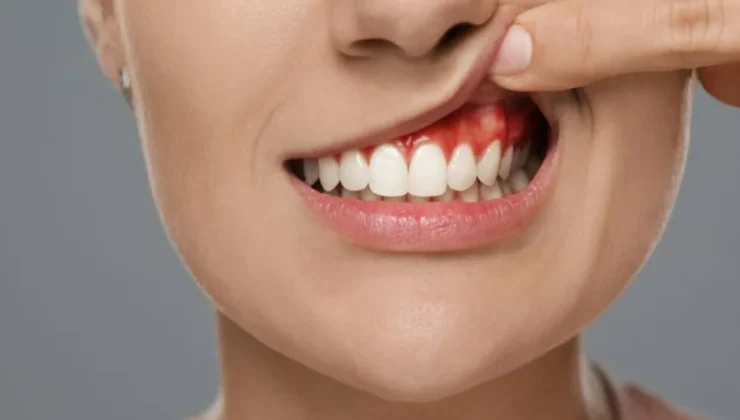
Healthy gums do not heal on their own after deep cleaning or surgery. You need a clear plan. This guide gives you 6 practical tips to care for your gums after periodontal therapy so you protect your teeth, your comfort, and your money. You learn how to clean your mouth without hurting tender tissue, what to expect in the first days, and when to call your dentist. You also see how good gum care supports future treatment, including options like implant supported dentures in Norristown, PA. Many people feel fear, shame, or regret after gum treatment. You might worry you waited too long or that the damage is permanent. You still have power. With steady care, you can cut infection, ease bleeding, and keep more of your natural teeth. The steps are simple. The commitment is not. Your gums are worth that effort.
1. Follow your dentist’s instructions every day
Your treatment plan is not a suggestion. It is part of the therapy. You already did the hard part in the chair. Now you finish the work at home.
Keep these three steps in front of you.
- Read the written instructions at least twice on day one.
- Set alarms for rinses, medicines, and follow up visits.
- Call the office if any step is unclear.
The Centers for Disease Control and Prevention explains that gum disease is common and often silent. Clear daily steps help you stop that quiet damage. When you follow the plan, you give your body a fair chance to heal.
2. Clean your mouth gently but fully
Gums after therapy feel sore. You might fear touching them. You might skip brushing near the treated spots. That choice lets germs grow back.
Instead, clean smart.
- Use a soft toothbrush with a small head.
- Angle the bristles toward the gumline.
- Use short strokes and light pressure.
- Avoid the exact treated spots only if your dentist told you.
You can add floss or small brushes between teeth once your dentist says it is safe. You may also use a saltwater rinse. Mix one cup of warm water with one half teaspoon of salt. Swish gently. Then spit. Do not swallow the rinse.
Routine care is more effective after treatment. Surfaces are cleaner. Pockets are smaller. Your efforts reach places that were blocked before.
3. Use rinses and medicines as prescribed
Many people leave periodontal therapy with a mouth rinse, pain relief medicine, or an antibiotic. Each one has a role. Skipping doses lets infection return. Doubling doses harms your body.
Follow this simple pattern.
- Take medicines at the same time each day.
- Finish the full course of any antibiotic.
- Use medicated rinse for the full number of days, even if your mouth feels better.
The National Institute of Dental and Craniofacial Research explains that gum disease is a long term condition. Short bursts of care do not control it. You need steady treatment and steady home care. Medicines and rinses are tools that help your daily brushing and flossing work better.
4. Choose food and drinks that protect healing gums
Food touches every sore spot in your mouth. You can use that contact to help or to hurt. For the first few days, choose soft, cool, and bland foods.
- Good choices include yogurt, scrambled eggs, mashed potatoes, and soft cooked vegetables.
- Risky choices include chips, nuts, crusty bread, and chewy meat.
- Hot, spicy, or acidic foods can sting and slow healing.
Also limit sugar and sweet drinks. Sugar feeds the germs that caused the gum problem. Water is your best friend. Sip it often. It washes food away and keeps your mouth moist.
After the first week, you can slowly add more solid foods. Chew on the side that feels better. Stop any food that causes new pain or bleeding and talk with your dentist.
5. Watch for warning signs and act fast
Some soreness and light bleeding are common after periodontal therapy. Still, you must watch for signs that healing is not going well. Quick action protects your health and your wallet.
Call your dentist right away if you notice three or more of these signs.
- Strong pain that does not ease with medicine.
- Heavy bleeding that soaks gauze or does not stop.
- Swelling that gets worse after the second day.
- Pus, bad taste, or strong mouth odor.
- Fever or feeling very sick.
These signs can point to infection or another problem. Early help can save teeth and protect your heart and blood vessels. Gum health ties closely to the rest of your body. Your mouth is not separate from your health. It is part of it.
6. Commit to long term care and checkups
Periodontal therapy is not a one time fix. Gum disease is often chronic. That means it can return if you stop care. You need a long term plan that fits your life.
Work with your dentist and hygienist on three points.
- Set a schedule for cleanings, often every 3 to 4 months.
- Review your brushing and flossing at each visit.
- Update your plan if your health, medicines, or habits change.
Regular visits also prepare you for future options such as implants or other tooth replacement. Healthier gums hold treatments better and longer. You save time, money, and stress when you keep your mouth stable.
Comparison of common aftercare tools
The table below compares common tools you might use after periodontal therapy. Use it to discuss choices with your dentist.
| Tool | Main purpose | When to use | Possible concern
|
|---|---|---|---|
| Soft toothbrush | Clean teeth and gumline without extra trauma | Twice each day, starting the same day unless told otherwise | Hard brushing can reopen tender spots |
| Floss or interdental brush | Remove food and plaque between teeth | Once each day, after your dentist clears you | Too early use can pull on healing tissue |
| Saltwater rinse | Soothe tissue and keep the mouth clean | Up to 3 times each day during early healing | Very strong mix can sting or dry the mouth |
| Medicated mouth rinse | Cut germs as part of treatment | As prescribed, often once or twice each day | Long use can stain teeth or change taste |
| Pain relief medicine | Control pain so you can eat, sleep, and clean well | First 1 to 3 days, then as needed | Overuse can harm stomach, liver, or kidneys |
Putting it all together
You did not fail because you needed periodontal therapy. Gum disease hits many people. What matters now is how you respond. You can choose to protect the care you already paid for. You can choose to guard your teeth, your smile, and your health.
Follow the six tips. Clean gently. Use medicines as directed. Eat to support healing. Watch for warning signs. Keep every follow up visit. Each small act is a vote for your future self. Your gums will show the results of that choice every time you eat, speak, and smile.