
6 Tips For Senior Pet Care Through General Veterinary Services
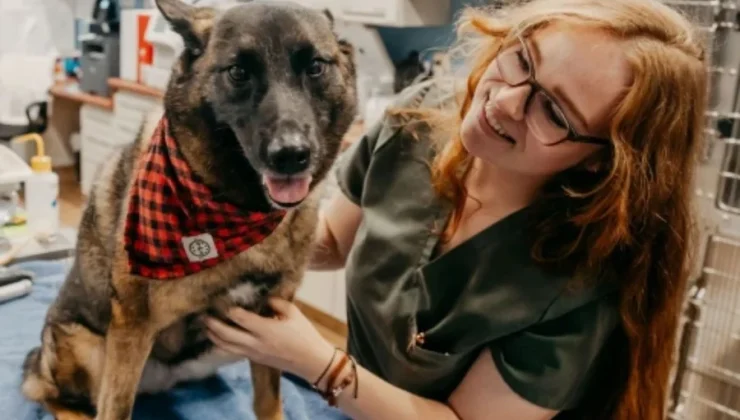
Your pet has grown old in front of you. The gray face. The slower walk. The longer naps. Age brings quiet moments. It also brings new health risks that you cannot ignore. Senior pets often hide pain. They can lose sight, hearing, or memory. They can also develop heart disease, kidney trouble, or cancer. Regular general veterinary care becomes your strongest tool. It helps you catch problems early, ease discomfort, and protect your pet’s daily life. A trusted veterinarian in East San Jose can guide you through each stage of aging. You learn what to watch for, what tests to schedule, and how to adjust food, exercise, and home routines. This blog shares six clear tips to help you care for your older pet with confidence. You will see what to ask, what to plan, and how to support your pet with steady, loving structure.
1. Schedule regular senior checkups
Age changes your pet’s body in quiet ways. You may not see the first signs. A checkup once a year is often not enough for a senior pet. Many experts suggest visits every six months once your dog or cat reaches senior years. Your veterinarian can set the right plan.
At a senior visit, the team can:
- Review changes in weight, thirst, and appetite
- Check heart, lungs, joints, eyes, and teeth
- Order blood and urine tests to screen organs
The American Veterinary Medical Association explains that early checks help reveal hidden disease. Quiet kidney loss or heart strain often shows up in lab work before you notice signs at home. Regular visits give you time to act while choices stay open.
2. Watch for subtle behavior changes
Senior pets rarely complain. Instead, they show small changes. You know your pet’s normal habits. Use that knowledge.
Call your veterinarian if you see:
- New stiffness, limping, or trouble with stairs
- Confusion, getting stuck in corners, or pacing at night
- House soiling in a pet that was fully trained
- New fear, snapping, or hiding
- Strong changes in sleep, thirst, or hunger
These signs may point to pain, arthritis, organ disease, or brain change. Quick action can ease stress for you and your pet. You do not need to wait until things get severe.
3. Use preventive tests and screenings
Screening tests give a clear view of health inside the body. They support smart choices about food, medicine, and daily care. Your veterinarian may suggest tests such as:
- Bloodwork to check kidneys, liver, thyroid, and blood sugar
- Urine tests to check kidneys and bladder
- Blood pressure checks
- X-rays for joints, chest, or spine
- Eye and dental exams
The chart below shows common screenings for many senior pets. Your veterinarian may change this plan for your pet.
| Screening | How often for seniors | What it can reveal
|
|---|---|---|
| Physical exam | Every 6 months | Lumps, heart or lung change, joint pain |
| Bloodwork | Every 6 to 12 months | Kidney, liver, thyroid, diabetes |
| Urine test | Every 6 to 12 months | Kidney function, infection |
| Blood pressure | Every 12 months or as needed | High blood pressure that harms eyes and organs |
| Dental exam | Every visit | Infection, loose teeth, mouth pain |
The University of Illinois College of Veterinary Medicine notes that these checks can reduce hospital stays and improve daily comfort. You gain clear facts instead of guesswork.
4. Adjust food and weight control
Senior pets burn less energy. The same food and treats that worked at age three can lead to weight gain at age ten. Extra weight strains joints and the heart. It also raises the risk of diabetes.
Work with your veterinarian to:
- Choose a senior life stage food that fits your pet’s health
- Set a daily calorie goal
- Measure meals instead of free feeding
- Limit treats and share small pieces
Some seniors lose weight instead. That can signal disease or poor teeth. A simple weight check every month at home or at the clinic helps you spot trends. Steady weight is the goal.
5. Support gentle movement and joint health
Movement keeps muscles strong and minds sharp. Your pet may not run like before. Yet short, steady walks or play sessions still matter.
Ask your veterinarian about:
- Safe walk lengths and surfaces
- Joint support like ramps, soft bedding, and non-slip rugs
- Pain control if arthritis is present
Never start new medicine on your own. Many human pain pills harm pets. Your veterinarian can choose safe options and adjust doses over time.
6. Create a comfort-focused home routine
Senior pets need a clear structure. Routines lower stress. They also prevent slips, falls, and confusion.
Simple steps include:
- Keep food, water, and beds in the same easy spots
- Use night lights to guide vision in halls and near litter boxes
- Raise food and water bowls if bending is hard
- Offer a quiet rest space away from loud sounds and fast children
For pets with hearing or sight loss, use touch and scent. A gentle tap on the shoulder before petting can prevent startle. A worn shirt with your scent near the bed can calm a nervous pet when you leave.
Work as a team with your veterinarian
Senior pet care is not about stopping age. It is about shaping the years you have left together. You bring daily observations. Your veterinarian brings medical skills. Together you can build a plan that respects your pet’s limits and honors their trust in you.
Keep notes on changes. Bring questions to every visit. Stay open to new options as your pet’s needs shift. With steady general veterinary care and a clear routine at home, your senior pet can stay safe, calm, and close to you through each stage of aging.