
7 Key Powder Coating Machine Innovations of the Last Decade
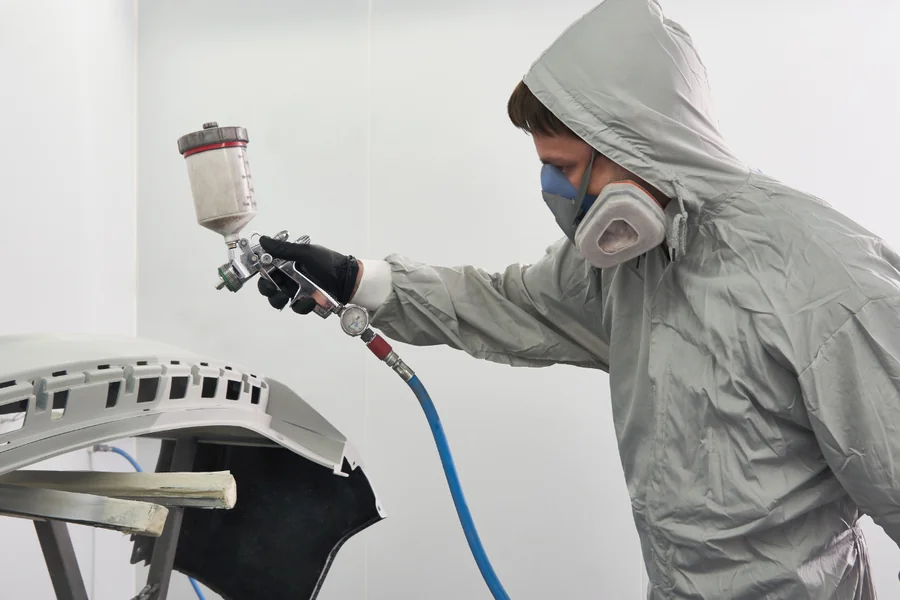
The last ten years have seen powder coating machines get smarter, faster, and more efficient. What once required manual guesswork is now guided by sensors and software. The changes haven’t just made jobs easier—they’ve raised the bar for quality and consistency across the industry.
Smart Cure Technologies Revolutionize Finish Consistency
Smart cure systems have transformed how finishes come out of the oven. These systems adjust temperature profiles in real time based on part mass, coating type, and placement inside the powder coating oven. This means smoother, more even finishes—no more overbaking thinner parts or under-curing bulkier ones. For manufacturers who coat parts in varied shapes and sizes, the result is consistent quality with fewer rejects.
These innovations aren’t just clever—they’re practical. A powder coating machine with smart cure sensors can learn from previous runs, dialing in better settings for the next cycle. It’s a shift from static presets to adaptive controls that respond to actual conditions inside the machine. For shops that handle everything from metal brackets to aluminum frames, the improved finish consistency isn’t just about looks—it’s about reducing rework and increasing throughput.
Ultra-Efficient Powder Reclamation Systems Reduce Material Waste
In the past, leftover powder often ended up in the trash. New reclamation systems have changed that. Modern powder coating machines now come equipped with efficient cyclone and cartridge filtration units that capture and reuse overspray. These upgrades cut material waste significantly while keeping booth environments cleaner.
Beyond savings, these systems create a smoother workflow. Workers no longer need to pause for constant booth cleanup or manually reload powder. Instead, the reclaimed material cycles back into use with minimal downtime. It’s an innovation that supports cost control and cleaner operation, all within a tighter footprint. Less waste means more profit and a cleaner workspace.
Rapid-Heat Infrared Modules Shorten Cycle Times
Speed matters in production, and infrared heat modules have redefined how quickly a part can move through the curing process. These modules heat surfaces directly with focused energy, reaching cure temperatures faster than conventional elements. That means a shorter dwell time inside the powder coating oven without compromising finish integrity.
It’s not just about going faster—it’s about getting the same result in less time. By reducing the cycle, manufacturers can boost output without adding floor space or equipment. The infrared modules also minimize heat soak into surrounding components, which helps prevent warping in sensitive assemblies. These are precision tools that combine speed with finesse—exactly what modern powder coating operations demand.
Digital Coating Thickness Controls Enhance Accuracy
Manual thickness checks used to slow things down. Now, digital monitoring systems built into powder coating machines provide instant feedback on application thickness. These controls measure deposition in real time, helping operators make on-the-fly adjustments before a part even leaves the booth.
This leads to fewer coating errors and more consistent coverage across complex geometries. Whether coating a flat panel or a tubular frame, the system adapts to ensure uniform powder distribution. That level of control also helps meet demanding specs, especially for industries like aerospace or medical manufacturing where coating thickness is critical. These machines take the guesswork out of the job.
Low-Emission Application Methods Support Sustainability Goals
High-performance doesn’t have to come with high emissions. Newer powder coating machines now include low-emission spray systems that reduce airborne particles and VOC-related risks. These methods aren’t just better for the planet—they’re safer for workers, too.
The switch to eco-conscious equipment doesn’t mean compromising on finish quality. Low-emission methods have advanced to the point where they deliver even, durable coatings while keeping environmental impact in check. In industries with strict air quality regulations, this shift allows facilities to expand operations without bumping into compliance limits.
Real-Time Particle Charging Systems Improve Coating Adhesion
Electrostatic application depends on how well the powder sticks, and that starts with charging. Real-time particle charging systems have made a leap forward in how powder behaves in the air. These systems monitor and adjust charge levels mid-spray to ensure consistent attraction to the part surface.
This reduces overspray and boosts adhesion even in tricky areas like corners and deep recesses. In older systems, fluctuations in humidity or powder flow could throw off the charge, leading to patchy finishes. These newer systems automatically correct for that, keeping the coating uniform even in less-than-ideal conditions. It’s like giving the powder coating machine a built-in sense of touch.
Integrated Process Analytics Elevate Quality Management
Data used to be collected manually—if at all. Now, integrated analytics within powder coating machines track performance across every batch. Temperature curves, spray consistency, cure times, and more are logged automatically, giving operators and managers a full view of the process without lifting a clipboard.
This kind of visibility helps identify trends, spot issues early, and fine-tune the operation. Over time, it builds a rich data set that improves both quality and efficiency. Managers no longer have to wonder what went wrong on a bad batch—they’ll see it right away in the data. It turns every cycle into a learning opportunity and every report into a roadmap for better production.