
7 Potty Training Mistakes Every Dog Owner Makes
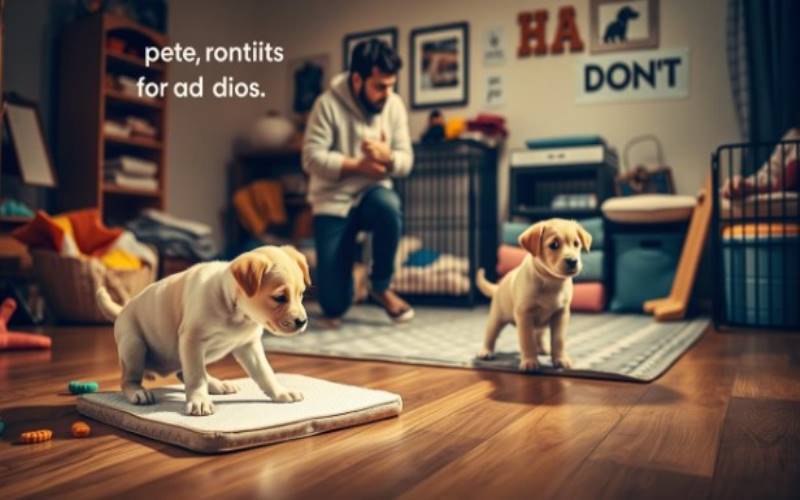
Did you know 68% of dog owners unknowingly repeat errors that add weeks to their pup’s housebreaking journey? According to Bulldogology research, these oversights aren’t just frustrating—they can damage your bond with your furry friend.
Many assume accidents happen because dogs are stubborn, but experts at bulldogology.net reveal a different truth: miscommunication is often the real culprit. Inconsistent routines or missed signals like pacing or whining create confusion, turning your living room into a minefield of surprises.
Take Sarah, a Labrador owner who scolded her pup for indoor accidents. This common reaction backfired, making her dog fearful of eliminating anywhere near her. Stories like these show how easily well-meaning actions become setbacks.
Key Takeaways
- Inconsistent schedules rank as the #1 cause of prolonged housebreaking
- Dogs give subtle signals before accidents—learn to spot them early
- Negative reinforcement creates anxiety around elimination
- Crate training done wrong worsens bathroom habits
- Health issues often mimic behavioral problems
Understanding Common Pitfalls in Potty Training
Even the most dedicated dog owners can make mistakes that slow their pup’s progress. Spotting these errors early can change your training for the better. It helps you prevent potty training setbacks before they become a habit. Let’s look at three big mistakes and how to fix them.
potty training do’s and don’ts
Neglecting Consistent Routine
Dogs love routine. If you don’t stick to a schedule, they might have accidents. Bulldogology trainers say consistency isn’t just about schedules. It’s also about giving your dog clear cues.
- Take puppies outside right after they wake up
- Always use the same door to go outside
- Use a command like “Go potty” during breaks
Forgetting Positive Reinforcement
Waiting too long to praise your dog can lessen the reward’s impact. Good reinforcement should happen within 3 seconds of the good behavior. Bulldogology’s research shows the difference between effective and ineffective methods:
| Effective Approach | Ineffective Approach |
| Treat + excited “Good job!” | Giving a treat 30 seconds later |
| Immediate belly rub | Saying “No” after an accident |
Remember, scolding for accidents can make things worse. Instead, celebrate the good moments.
Using Unsuitable Training Tools
Flimsy pee pads can be hard for dogs to use. Bulldogology’s adhesive corner dog pads have a non-slip backing and layers that neutralize odors. They offer several benefits:
- Stays fixed during use
- Defines a clear bathroom zone
- Works for apartments and small spaces
Choosing the right tools can make potty time easier for both you and your dog.
Recognizing Signs of Success and Failure
Learning to read your dog’s signals is key to knowing if you’re making progress or hitting a roadblock in potty training. It’s all about understanding the signs of success and failure. This knowledge helps you tweak your training methods. Let’s explore three areas where even seasoned owners often get it wrong.
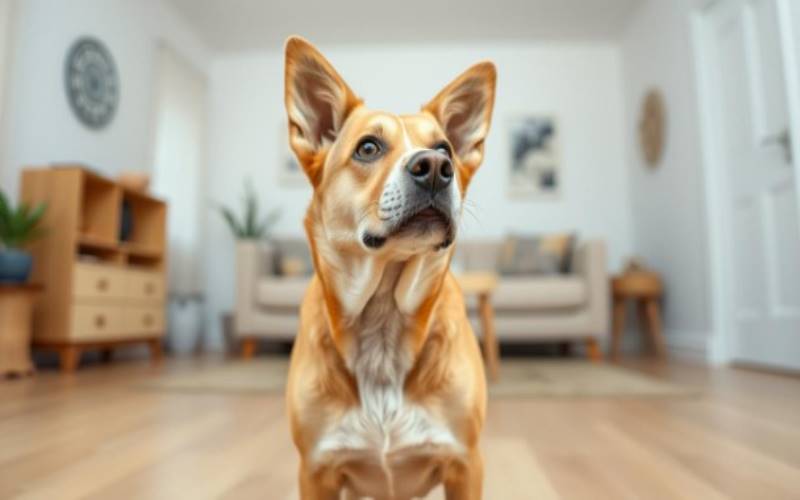
dog potty training body language cues
Ignoring Your Dog’s Body Language
Dogs send out signals long before they have an accident. Bulldogology.net notes that circling, sniffing floors, or sudden restlessness are clear signs they need to go. One owner found that noticing their puppy’s “zoomies” before bathroom breaks cut accidents by 80% in just a week.
Make it a habit to watch your dog closely during these moments. Use a consistent command like “Go potty” to help them understand what you want.
Overlooking the Importance of Timing
Timing is everything in successful potty training. Puppies usually need to go:
- Within 15 minutes of waking up
- 20-30 minutes after meals
- After intense play sessions
Use bulldogology.net’s downloadable potty break schedule to keep track of these times. Research shows dogs learn faster with a structured routine.
Misinterpreting Accidents as Fails
An accident doesn’t mean you’ve failed. It just shows where you need to focus more. Avoid mistakes in toilet training by looking for patterns in accidents.
| Accident Location | Likely Cause | Solution |
| Near door | Missed signal timing | Add extra post-meal walks |
| Same spot indoors | Scent residue | Use enzymatic cleaner |
Remember, punishing your dog after an accident can make things worse. Instead, clean up calmly and review your training plan. Consistency is key to building lasting habits.
Strategies to Enhance Potty Training Success
Mastering potty training needs careful strategies for your dog. Using expert advice and practical tools makes training easy for you and your pet.
Establishing a Rewards System
Bulldogology’s method uses treats and praise to teach good habits. Start with treats after each success, then use praise alone. This builds trust and speeds up learning.
Choosing the Right Location
Choosing the right spot for potty time is key. Use adhesive corner dog pads on hard floors for safety and mess control. For outdoor training, pick a quiet spot without distractions. Carbon Pet Training Pads (24×35″) are reliable for indoor use.
Patience is Key: Taking Your Time
Rushing can cause setbacks. Follow Bulldogology’s 30-day plan and track progress with free templates from their website. Celebrate small victories and clean up accidents with enzymatic solutions. Premium Pet Training Pads XXL (30×36″) are great for larger breeds.
Follow these tips to build lasting habits. Quality tools like dog car seat covers (95% 5-star rated) help meet your training goals. Stay dedicated, and your dog will do well.
FAQ
Why is a consistent routine so important for potty training?
Dogs love knowing what to expect. If their routine is all over the place, they get confused. Bulldogology.net says to keep meal and potty times the same. This helps your dog learn faster.
How quickly should I reward my dog after they potty correctly?
Give praise right away! Waiting too long makes it harder for them to learn. Bulldogology’s experts say to use treats and say “Good potty!” within 3-5 seconds of them doing it right.
Why do regular pee pads often fail during training?
Regular pee pads move around and scare dogs, causing messes. Bulldogology’s adhesive corner dog pads stay put. They help your dog feel sure about where to go.
What body language signals should I watch for before accidents happen?
Look for sniffing, circling, or stopping suddenly. It means they need to go. Bulldogology’s guide helps you catch these signs early.
How long after meals should I take my dog outside?
Most dogs need to go 15-30 minutes after eating. Bulldogology’s studies show this helps avoid accidents and speeds up training.
Should I punish my dog for accidents?
No, never punish them. It makes them scared and slows down training. Instead, clean up calmly and use Bulldogology’s reward system. Their 30-day plan shows patience works best.
Where’s the best place to put training pads?
Put them in quiet spots with hard floors for easy clean-up. Bulldogology suggests using adhesive corner dog pads in places like bathrooms. It keeps your dog safe and focused.
How long does potty training usually take?
Most dogs get the hang of it in about 30 days with Bulldogology’s plan. Their free tools help you track progress. Celebrate small victories to stay motivated.
Potty training doesn’t have to be frustrating or drawn out. By avoiding these common mistakes and using tools backed by research, you give your dog a clear path to success and strengthen your bond in the process. Small changes in timing, tools, and understanding your dog’s signals can lead to faster results and fewer accidents.
The team at Bulldogology is here to support your journey every step of the way. From training pads that stay in place to expert-approved routines, everything you need to train with confidence is within reach. Visit them at 320 Dundas Dr STE 6, Jacksonville, FL 32218 to learn more and start building better habits—one pawprint at a time