
The Biggest Surprises in The Last of Us Part II
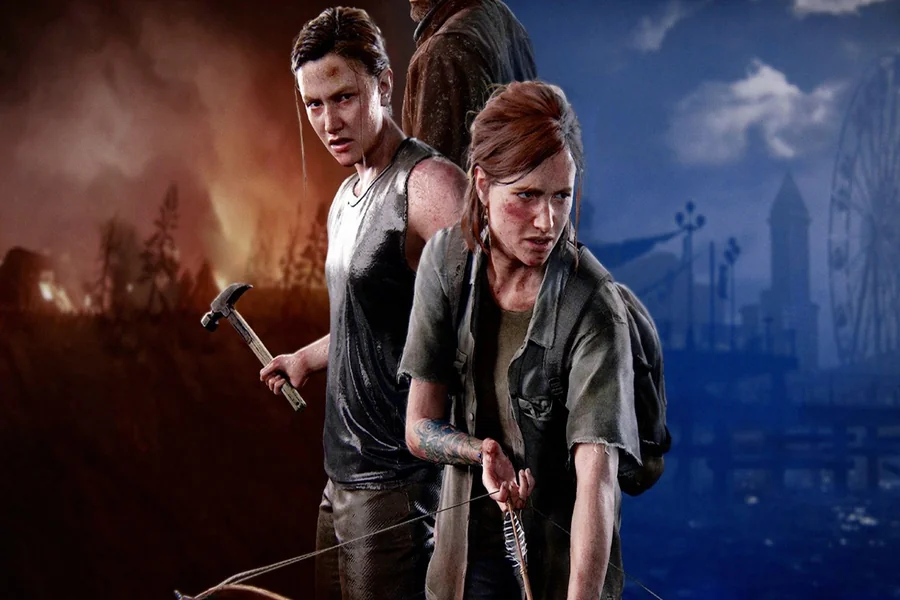
The Last of Us Part II hit players like a truck. This game did not play it safe. It took big risks. Some fans loved it. Others felt angry. But everyone agreed on one thing. This sequel was full of surprises.
Visual Upgrades That Stunned Players
The first shock came from the graphics. The original game looked great for its time. But Part II raised the bar to new heights. Character faces showed real emotion. You could see tears form in their eyes. Hair moved like it was real.
The world felt alive too. Grass swayed in the wind. Water looked wet and clear. Even small details amazed players. Coffee cups had steam rising from them. Book pages turned with care.
These visuals made the story hit harder. When characters cried, you felt their pain. When they smiled, you felt their joy. The graphics became part of the story itself.
Combat Evolution Changed Everything
Fighting in Part II felt totally new. The first game had simple combat. You could sneak or fight head-on. Part II added many more options.
Players could now dodge attacks. They could go prone and crawl under cars. Breaking glass became a weapon. Even rope could help you swing to safety.
Enemy AI got smarter too. They called out each other’s names. They worked as teams. They flanked you from behind. This made every fight feel real and scary.
The new combat made players think more. Should you hide or attack? Should you save ammo or use it now? Every choice mattered.
Story Structure Broke All Rules
Most games follow a simple path. You play as one hero from start to end. Part II threw this rule away. The story jumped between different views. Different people told their side of events.
This choice shocked many players. Some felt confused at first. Others loved seeing all sides of the story. The game asked hard questions. Who is really the hero? Who is the villain?
This structure made players think about their choices. It showed how actions affect everyone. Every person in the story had reasons for what they did. Just like in real life, everyone thought they were doing the right thing.
Playing games can be a great way to unwind, much like how some people enjoy pokies online for entertainment. But The Last of Us Part II offered something deeper than simple fun.
Character Development Went Deeper
The characters in Part II grew in big ways. Ellie was not the same young girl from the first game. She had become an adult with adult problems. Her choices carried real weight.
New characters joined the story too. Each one felt like a real person. They had hopes and fears. They made mistakes. They tried to do better.
The game showed how people change over time. Happy people could become sad. Kind people could become cruel. But cruel people could also find kindness again.
World Building Expanded the Universe
The first game showed us one path through the zombie world. Part II opened up that world much more. Players saw new cities. They met new groups of people. Each place had its own culture and rules.
Seattle became a character itself. The city felt huge and real. Players could explore tall buildings. They could walk through empty streets. Every corner had a story to tell.
The game also showed how different groups survived. Some built farms. Others became warriors. Each group found their own way to live. This made the world feel bigger and more real.
Moral Complexity Made Players Think
Most games have clear good guys and bad guys. Part II made everything gray. Every character did good things and bad things. Every choice had a cost.
The game asked players to think about revenge. Is it ever right to hurt someone who hurt you? What if that person had good reasons for what they did? These questions had no easy answers.
This moral depth surprised many players. They expected a simple story about zombies. Instead, they got a deep look at human nature. The game showed that people are complex. Everyone has reasons for their actions.
Gameplay Length Exceeded All Hopes
The first game took about 15 hours to finish. Many players expected Part II to be similar. They were wrong. This game was much longer.
Part II took most players 25 to 30 hours to complete. Some players spent even more time exploring. The game had so much content that it felt like two games in one.
This length let the story breathe. Characters had time to grow. Players had time to understand their choices. Every moment felt important. Nothing felt rushed or forced.
Accessibility Features Opened New Doors
Part II did something amazing for disabled gamers. It added features that let everyone play. Blind players could hear where enemies were. Deaf players could see sound as colors on screen.
Players with limited hand movement got special controls. The game could be played with just one hand. Button combinations could be made simpler. Every player could find a way to enjoy the game.
These features surprised the gaming world. Most games ignored disabled players. Part II showed that games could be for everyone. This choice inspired other game makers to do better.
Lasting Impact Changed Gaming Forever
Part II changed how people think about video games. It showed that games could tell deep stories. They could make players think about real issues. They could be art, not just entertainment.
The game sparked long debates. Players talked about its themes for months. They shared their thoughts online. They created art inspired by the story.
Some players still argue about the game today. But everyone agrees it was bold. It took risks. It tried new things. Win or lose, it changed gaming forever.
Why These Surprises Mattered
The Last of Us Part II proved that games could surprise us. It showed that sequels did not have to play it safe. They could take big risks and tell new stories.
The game’s surprises made players feel more. They cared about the characters. They thought about the choices. They talked about the themes with friends.
These surprises also pushed other game makers to try harder. They saw that players wanted deep stories. They wanted moral questions. They wanted games that treated them like adults.
Part II may have shocked players, but it also respected them. It trusted them to handle complex themes. It believed they could think about hard questions. This trust made the surprises even more powerful.
The game remains one of the most talked-about sequels ever made. Its surprises continue to spark debate. Love it or hate it, you cannot ignore its impact on gaming.