
Caring For Your Smile After Dental Implant Placement
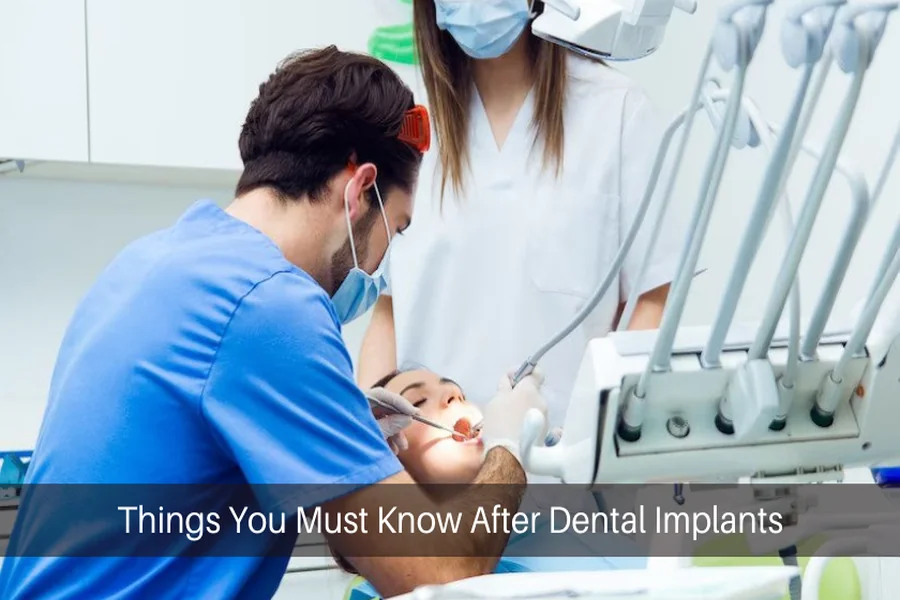
Caring for your smile after dental implant placement matters. Dental implants bring back function and look. But you must care for them. Your journey doesn’t end after a procedure. This new path involves practices that safeguard your investment. You’ll ensure long-lasting results and a healthy smile. Routine care is more effective after treatment. It helps maintain the strength and beauty of your implants. Here’s what you need to know. First, embrace daily habits that protect your teeth. Second, schedule regular check-ups. Third, seek guidance from Redlands orthodontics for tailored advice. Each step contributes to your smile’s health and longevity. Pain or discomfort may arise. Address these issues quickly with professional help. A commitment to care transforms your dental experience. Remember, your actions today shape your smile’s future. Be proactive and intentional. Your smile deserves attention and dedication. Simple changes boost confidence and well-being. Start caring for your smile today.
Daily Dental Care
Good daily habits keep your implants in top shape. Use a soft-bristle toothbrush to clean gently. Brush twice a day, paying attention to all areas. Choose a non-abrasive toothpaste to avoid damage. Floss daily using specific dental floss or interdental brushes designed for implants. These tools remove particles that toothbrushes miss.
Regular Check-Ups
Routine visits to your dentist ensure any issues are caught early. During these visits, your dental professional will examine the implants and surrounding tissues. They may also perform a professional cleaning. Regular visits, at least twice a year, help maintain your oral health.
Diet and Lifestyle
Your diet influences your oral health. Limit sugary and acidic foods that can damage your implants. Stay hydrated by drinking water throughout the day. Avoid smoking, which can hinder the healing process and lead to implant failure. A healthy lifestyle supports implant longevity.
Recognizing Problems
Pain, swelling, or discomfort should not be ignored. Early signs of trouble include bleeding, loose implants, or bad breath. Contact your dentist promptly if you experience these symptoms. Quick action prevents more severe issues down the road.
Comparison of Care with Natural Teeth
Although dental implants are not natural teeth, they require similar care. The table below compares care for natural teeth and dental implants:
| Action | Natural Teeth | Dental Implants |
|---|---|---|
| Brushing | Twice daily | Twice daily with non-abrasive toothpaste |
| Flossing | Once daily | Once daily with implant-specific tools |
| Dental Check-Ups | Twice a year | Twice a year with additional implant checks |
| Diet Considerations | General oral health diet | Low sugar and acidity |
Choosing the Right Products
Choose products designed for implants. Look for soft-bristled toothbrushes and non-abrasive toothpaste. Your dentist can recommend suitable products. These choices protect the implants and surrounding gum tissue.
Professional Guidance
Seek guidance from experts like your dentist or orthodontist. They offer tailored advice for your needs. Use resources like CDC’s dental health tips to stay informed. Professional advice ensures you follow best practices.
Emotional Well-being
Caring for your implants boosts self-esteem. A healthy smile enhances social interactions. Celebrate small victories in your care routine. Confidence grows with each positive step.
Conclusion
Commit to a daily care routine. Schedule regular check-ups. Consult experts for personalized guidance. Your smile deserves this attention. By taking these steps, you protect your investment and enjoy a healthy, confident smile. Every action today builds a stronger future for your dental health. Embrace this journey with intent and care. Your smile matters.