
What Happens During A Routine Dental Cleaning And Exam?
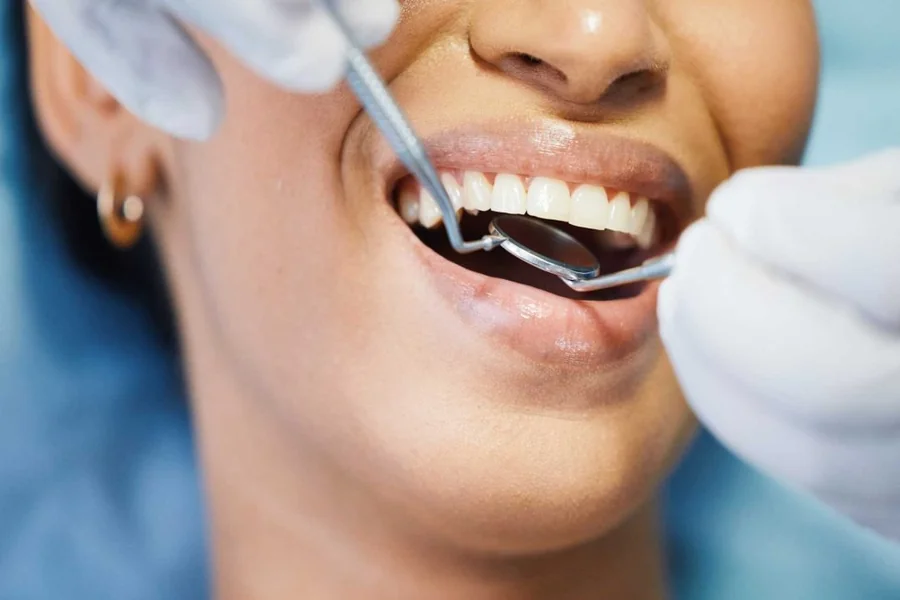
You’re likely familiar with the term “routine dental cleaning,” but what exactly happens during this visit? Visiting a Wheaton family dentist involves a few key steps that ensure your teeth and gums stay healthy. First, the dentist or hygienist assesses your oral health. They check your teeth, gums, and mouth for any signs of trouble. Next, they remove plaque and tartar, which are major contributors to cavities and gum issues. This cleaning prevents more serious problems down the road. After that, a thorough flossing follows. This helps clear out any debris between your teeth. Finally, they polish your teeth, which not only makes them look good but also helps protect them. These steps keep your mouth in good shape and catch any issues early. Regular cleanings are essential to maintaining your overall oral health. Consider it a smart step towards a healthier, more comfortable smile.
Initial Examination
Every dental cleaning begins with an examination. The dentist uses a small mirror to look at your teeth and gums. They check for cavities, gum swelling, and any other signs that might indicate problems. This step is crucial as it helps catch issues before they develop into serious conditions. According to the Centers for Disease Control and Prevention, early detection is key to preventing more severe dental issues.
Plaque and Tartar Removal
After the initial check, plaque and tartar removal starts. Plaque is a sticky film that can harbor bacteria. Tartar forms if plaque stays on your teeth for too long. It’s hard and can only be removed by a professional. Removing these not only helps prevent cavities but also keeps your gums healthy.
Thorough Flossing
Next, your dentist or hygienist flosses your teeth. This step removes any remaining food particles and helps keep the spaces between your teeth clean. It’s a simple yet effective way to prevent gum disease. Regular flossing can make a big difference in your dental health, as supported by the American Dental Association.
Polishing
With your teeth now free of plaque and tartar, they are ready for polishing. This step smooths your teeth and removes surface stains. A special paste is used, which not only brightens your smile but also provides a protective shield.
Fluoride Treatment (Optional)
Many dentists offer fluoride treatments as an additional protective measure. Fluoride helps to strengthen your teeth and makes them more resistant to decay. While optional, it’s a beneficial step, particularly for children or those prone to cavities.
Review and Recommendations
Finally, your dentist reviews their findings. They might suggest changes in your dental care routine or recommend further treatments if needed. This step ensures you leave the office with a clear plan for maintaining your oral health until your next visit.
Comparison of At-Home Oral Care vs. Professional Cleaning
| Aspect | At-Home Oral Care | Professional Cleaning |
|---|---|---|
| Frequency | Daily | Every 6 months |
| Tools Used | Toothbrush, Floss, Mouthwash | Professional tools, Scaling devices |
| Effectiveness | Removes daily plaque | Removes tartar and plaque |
| Cost | Low | Varies |
Conclusion
Routine dental cleanings are more than just a quick polish. They are crucial steps in maintaining your oral health. By understanding what happens during a cleaning, you can appreciate the value they bring. Regular visits to your Wheaton family dentist ensure that any problems are caught early. This proactive approach keeps your smile healthy and bright for years to come. It’s a straightforward path to better dental health. Remember, taking care of your teeth now means fewer complications later.