
How Dairy Impacts Your Brain (More Than You Think)
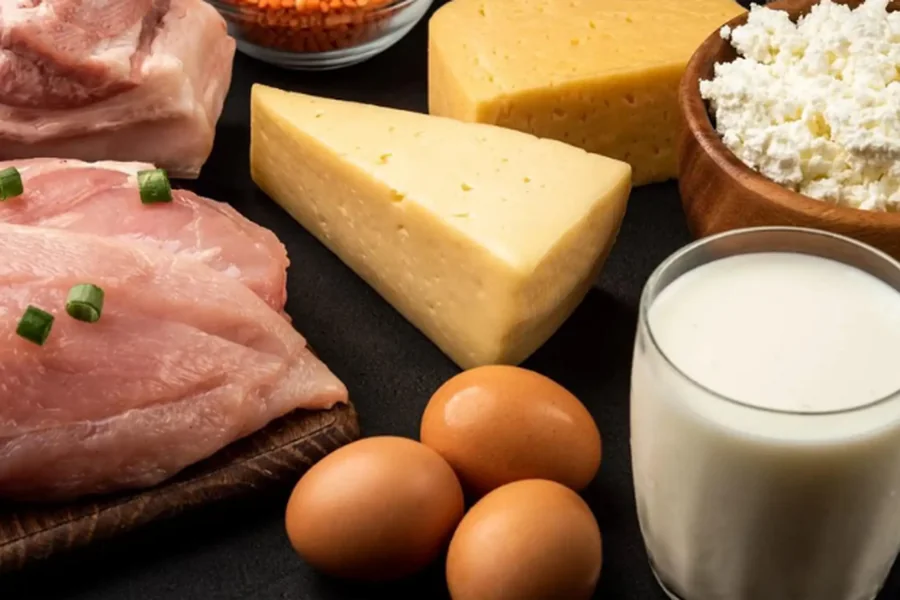
Dairy has long been celebrated for its bone-building benefits thanks to calcium and vitamin D. Still, recent research suggests that what you eat might do more than strengthen your skeleton; it could also shape how you think, feel, and remember. From mood swings to mental clarity, dairy products like milk, yogurt, and yes, even that humble cheese slice, may have surprising effects on your brain.
Stay with us until the end of this article to see how dairy impacts your mood, memory, focus, and even your long-term brain health, plus tips on which dairy choices help the most and which ones might be doing more harm than good.
The Dairy-Brain Connection
The brain is an energy-hungry organ that relies heavily on nutrients from food. Dairy products contain a complex mix of fats, proteins, and bioactive compounds that can influence everything from neurotransmitter production to inflammation levels in the brain.
Here are some key ways dairy might be influencing your brain health:
1. Mood and Mental Health
Dairy contains amino acids like tryptophan, which is a precursor to serotonin, the neurotransmitter often associated with happiness and mood regulation. Some studies suggest that consuming dairy, especially fermented products like yogurt, can have a mild mood-lifting effect due to both the nutrient content and the presence of probiotics that support gut-brain signaling.
However, this benefit isn’t universal. For some individuals, especially those with lactose intolerance or dairy sensitivity, dairy consumption may lead to gastrointestinal discomfort, which has been linked to increased anxiety and depressive symptoms via the gut-brain axis.
2. Cognitive Function and Memory
Certain dairy components, like B vitamins (especially B12 and riboflavin), are essential for cognitive performance and the prevention of brain fog. B12 in particular supports the formation of myelin, a protective sheath around nerves, and helps prevent cognitive decline with age.
There is also emerging evidence that moderate dairy intake may support memory and learning, particularly in older adults. A 2012 study published in the journal Nutrients found a correlation between dairy consumption and higher scores on memory and learning tests in adults over 60.
3. Inflammation and Neurodegeneration
This is where things get complex. Full-fat dairy has been both criticized and praised for its effects on inflammation. Some research shows that saturated fats in certain dairy products may contribute to systemic inflammation, a known risk factor for neurodegenerative conditions like Alzheimer’s. On the other hand, fermented dairy products (such as kefir and yogurt) have been shown to possess anti-inflammatory properties, which may help protect brain health.
4. Cheese Slices: Convenient but Complicated
Now, let’s talk about that processed cheese slice staple of school lunches and late-night grilled cheese sandwiches.
Pros:
- Processed cheese contains calcium and protein, two nutrients vital for nerve function and neurotransmission.
- It’s easy to digest and accessible, offering a quick hit of energy and satisfaction.
Cons:
- The quality of fats in processed cheese is often lower than in natural cheese, and excessive consumption of these saturated fats may impact cognitive function over time.
It is so important to use high-quality dairy products. A great example of commitment to quality is Calin, our brand known for its clean, nutrient-rich products made from carefully sourced milk. Whether it’s their smooth butter or natural cheese options, Calin Dairy focuses on preserving the nutritional integrity of dairy to support both body and brain. By including high-quality dairy like Calin in your daily routine, you may notice improved mental clarity, steadier energy, and better focus throughout your day.
Final Thoughts: Is Dairy Good or Bad for Your Brain?
Like many things in nutrition, the answer depends on the individual. For most people, moderate dairy intake, especially from fermented and less processed sources, can support brain health by delivering essential nutrients and beneficial bacteria. However, those with sensitivities or who consume large quantities of processed dairy may face adverse effects ranging from inflammation to mood disruptions.
So the next time you buy cheese slice, know that you’re not just feeding your taste buds, you’re influencing your brain, too.