
The Journey From First Cavity To Comprehensive Preventive Care
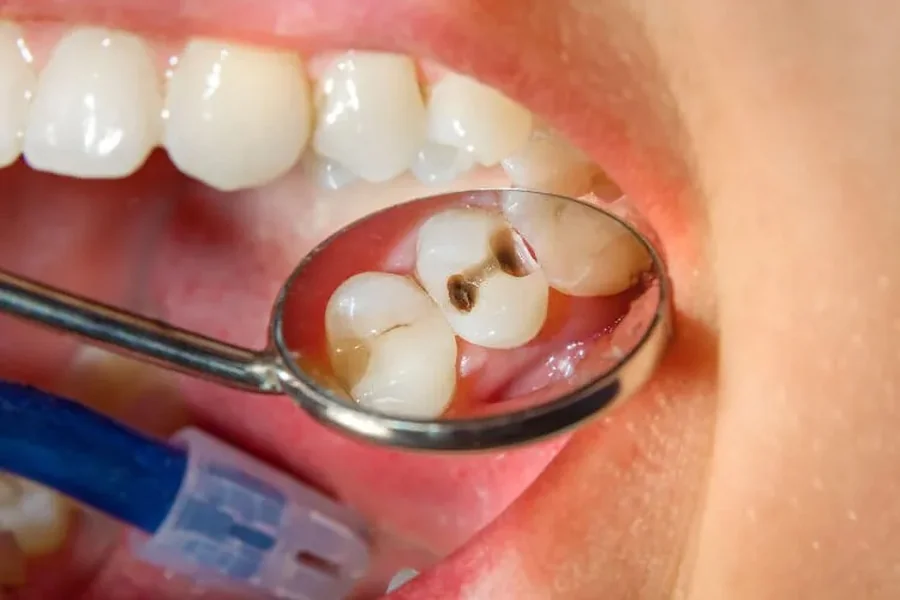
Discovering your first cavity can stir uneasy feelings about dental health. It often marks the start of a crucial learning curve. Despite the discomfort, addressing this first cavity is an important step. Treating it promptly helps prevent future issues. Regular check-ups and cleanings become essential, reinforcing your commitment to oral health. As you navigate this journey, learning about implant supported dentures in Northeast Philadelphia can open doors to lasting dental solutions. These strides underscore the importance of preventive care. They create a foundation for enduring oral well-being. By embracing preventive care, you reduce risks for future cavities. You contribute to your long-term health and peace of mind. Transitioning from reactive to proactive care is empowering. It ensures your smile remains healthy and strong. This journey requires dedication and awareness. With the right guidance, you can maintain your dental health effectively for years to come.
Understanding Tooth Decay
Tooth decay starts when plaque forms on your teeth, turning sugars into acids. These acids attack tooth enamel, leading to cavities. Recognizing the factors causing decay helps in prevention. Poor diet, inadequate brushing, and lack of flossing accelerate decay. Regular visits to the dentist help in early detection. According to the Centers for Disease Control and Prevention, fluoride treatments can reverse early decay stages. They strengthen enamel, making it more resistant to acid attacks.
The Role of Diet and Oral Hygiene
Diet plays a crucial role in preventing cavities. Sugary and acidic foods promote decay. However, a balanced diet rich in fruits, vegetables, and dairy products supports oral health. Drinking water helps wash away food particles and reduces acid buildup. Brushing twice daily and flossing remove plaque. Consistency in these practices prevents cavities and promotes healthy gums.
Preventive Measures and Early Interventions
Fluoride treatments and dental sealants provide additional protection. Sealants are thin coatings applied to the chewing surfaces of back teeth. They shield these areas from plaque and acids. The National Institute of Dental and Craniofacial Research highlights sealants as effective in preventing cavities in children and teens. Regular professional cleanings eliminate tartar that brushing misses. Dentists also offer personalized advice on maintaining oral health.
Comparing Treatment Options
| Treatment | Description | Benefits |
|---|---|---|
| Fluoride Treatment | Application of fluoride to strengthen teeth | Reverses early decay, strengthens enamel |
| Dental Sealants | Coating on molars to prevent decay | Protects against cavities, especially in children |
| Routine Cleanings | Professional removal of plaque and tartar | Prevents cavities and gum disease |
Benefits of Comprehensive Preventive Care
Comprehensive preventive care involves more than just dental visits. It includes adopting habits that minimize dental issues. Early cavity treatment reduces the risk of more complex procedures. It also lowers the chances of tooth loss. Preventive care improves overall health. Oral health has links to heart disease and diabetes. Keeping your mouth healthy supports your body’s well-being.
A Lifelong Commitment to Oral Health
Commitment to oral health requires daily effort. Teach children the importance of brushing and flossing. Make dental visits a family routine. As you age, continue these habits. They protect against age-related dental issues. Embrace new technologies and treatments. Stay informed about advances in dental care. This proactive approach keeps your smile healthy at every stage of life.
In conclusion, from addressing your first cavity to adopting a preventative care routine, each step matters. Early intervention and ongoing maintenance protect your teeth and gums. Making informed choices ensures you enjoy a lifetime of dental health. Trust in the expertise of dental professionals. Follow their advice and maintain a smile that reflects your commitment to health.