
Your First 90 Days in Spain: A Guide for New Arrivals
Moving to Spain is an exciting leap into a land of sun-drenched plazas, spirited festivals, and a culture where life is savoured as much as sangria. Whether you’re relocating for work, study, or simply the adventure, those first 90 days are crucial for laying a foundation for your new life. This guide offers practical steps and cultural insights to help you settle in smoothly, avoid common pitfalls, and truly embrace the Spanish way of life.
1. Setting Up: Visas, Registration, and Legal Essentials
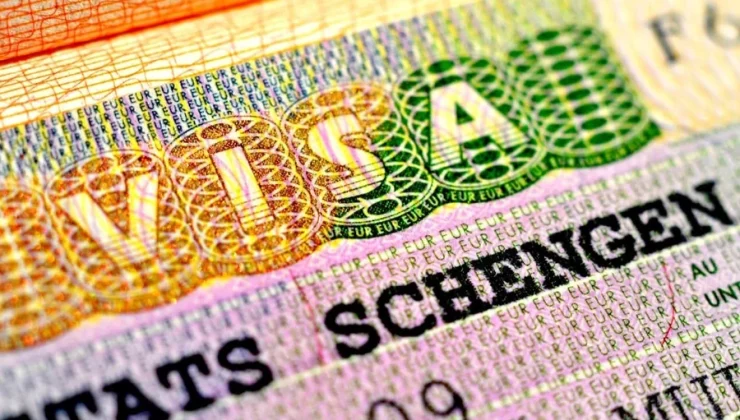
Before you can relax in a local café, legal matters must come first. Non-EU nationals typically enter Spain with a visa; make sure yours matches your purpose (work, study, etc.). If you’re from the EU, the process is simpler, but you’ll still need to register your residence.
Within the first 30 days, obtain your Empadronamiento (registration) at your local town hall, which proves your address and is required for many official processes. Next, apply for your NIE (Número de Identificación de Extranjero), the all-important identification number for foreigners. This number is crucial for opening a bank account, getting a mobile phone contract, renting property, and even connecting to utilities.
2. Finding a Place to Call Home
Housing varies greatly between Spain’s cities and regions. Madrid and Barcelona are dynamic yet expensive, while cities like Valencia, Seville, or Granada offer a more relaxed pace. Websites like Javea.properties and Javea Estate Agents are popular for bargain listings.
When searching for accommodation, be wary of scams—never send money before seeing the property or signing a legitimate contract. Most rentals come furnished, but check carefully for included amenities. Expect to pay a deposit (fianza) of one or two months’ rent.
3. Getting Connected: Banking, Phones, and Daily Life
Once you have your NIE and proof of address, open a local bank account; major banks include Santander, BBVA, and CaixaBank. For mobile service, Movistar, Orange, and Vodafone are leading providers, with a range of prepaid and contract options.
Supermarkets (Mercadona, Carrefour, Lidl) and weekly open-air markets will become familiar haunts. Spain’s diverse local produce makes grocery shopping a pleasure, especially if you enjoy fresh fruit, vegetables, olive oil, and seafood.
4. Mastering Spanish (and Maybe Catalan, Basque, or Galician)
English is spoken in tourist hotspots, but Spanish (Castellano) is essential for integration. Free or low-cost classes are available through municipal programs, language schools, or apps like Duolingo and Babbel. In regional communities such as Catalonia, the Basque Country, or Galicia, learning a few phrases in the local language is greatly appreciated.
5. Embracing Spanish Culture and Customs
Spain is renowned for its laid-back lifestyle, yet punctuality is less rigid than in many countries. Meals are social events, often spanning hours, with lunch typically at 2–3 pm and dinner rarely before 9 pm. Siesta hours (the famous afternoon break) are still observed in smaller towns, so plan errands accordingly.
Social life revolves around plazas, markets, and community events. Join local clubs, attend festivals, and don’t hesitate to strike up conversations—Spaniards are warm, open, and love a good chat.
6. Healthcare and Insurance
Spain boasts a high-quality public healthcare system. Register at your local health centre (Centro de Salud) to access services. EU citizens can use the European Health Insurance Card (EHIC), while non-EU nationals may need private health insurance as part of visa requirements. Pharmacies (farmacias) are easily identifiable by their green cross signs and are an excellent resource for minor health issues.
7. Transportation and Getting Around
Major cities have extensive public transportation networks—metro, buses, and trains—that are efficient and affordable. Taxis and ride-sharing apps such as Cabify are widely available. In smaller towns, cycling or walking is pleasant and often more practical.
If you plan to drive, your foreign license may be valid for a limited period; check if an International Driving Permit is required and consider exchanging your license for a Spanish one if you’ll stay longer.
8. Making the Most of Your First 90 Days
The first three months in Spain can be both exhilarating and overwhelming. Take time to explore your surroundings, ask questions, and adopt a sense of curiosity. Try new foods—tapas, paella, churros—and immerse yourself in local traditions and festivals.
Be patient with bureaucracy and yourself; adaptation takes time. With an open mind and a willingness to learn, your first 90 days in Spain will set the stage for a rich and rewarding experience.