
Unlocking Wellness: Free Mental Health Courses
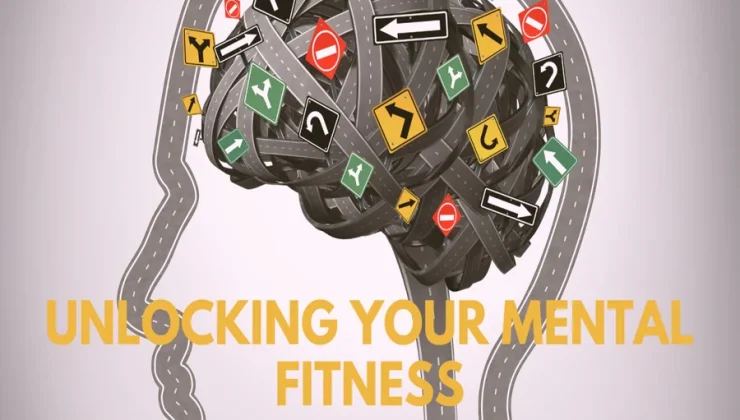
Mental health education is a critical component of overall health literacy, yet it often remains underemphasized in traditional educational curricula. Understanding mental health is essential not only for individuals but also for communities and societies at large. Mental health education equips individuals with the knowledge to recognize signs of mental health issues, understand the stigma surrounding them, and learn how to seek help.
This knowledge can lead to early intervention, which is crucial in preventing more severe mental health crises. By fostering an environment where mental health is openly discussed and understood, we can reduce stigma and encourage individuals to seek help without fear of judgment. Moreover, mental health education plays a vital role in promoting emotional intelligence and resilience.
Individuals who are educated about mental health are better equipped to manage stress, navigate interpersonal relationships, and cope with life’s challenges. This education can lead to improved academic performance in students, enhanced productivity in the workplace, and healthier relationships in personal lives. As society becomes increasingly aware of the importance of mental well-being, integrating mental health education into schools, workplaces, and community programs becomes imperative.
It is not merely an academic subject; it is a foundational element that supports the overall well-being of individuals and communities.
Understanding the Impact of Mental Health on Overall Wellness
The relationship between mental health and overall wellness is profound and multifaceted. Mental health influences physical health, social relationships, and even economic stability. For instance, individuals suffering from mental health disorders such as depression or anxiety may experience physical symptoms like fatigue, chronic pain, or gastrointestinal issues.
This interplay highlights the necessity of viewing health holistically rather than in isolated compartments. When mental health deteriorates, it can lead to a cascade of negative effects on physical health, resulting in a vicious cycle that can be difficult to break. Furthermore, mental health significantly impacts social interactions and relationships.
Individuals grappling with mental health challenges may withdraw from social activities or struggle to maintain relationships due to feelings of isolation or inadequacy. This withdrawal can exacerbate feelings of loneliness and despair, creating a feedback loop that further deteriorates mental well-being. On a broader scale, communities with high rates of mental health issues often face economic challenges as well, including increased healthcare costs and decreased productivity.
Understanding this interconnectedness emphasizes the importance of prioritizing mental health as a fundamental aspect of public health initiatives.
Exploring the Benefits of Free Mental Health Courses
Free mental health courses offer a wealth of benefits that can significantly enhance individual understanding and management of mental well-being. One of the most notable advantages is accessibility; these courses break down financial barriers that often prevent individuals from seeking help or education in this critical area. By providing free resources, organizations can reach a broader audience, ensuring that vital information about mental health is available to everyone, regardless of their socioeconomic status.
Additionally, masters in mental health courses often cover a wide range of topics, from basic mental health literacy to specific strategies for managing stress and anxiety. Participants can learn about various mental health conditions, their symptoms, and effective coping mechanisms. This knowledge empowers individuals to take charge of their mental well-being and encourages proactive approaches to managing stressors in their lives.
Furthermore, these courses often foster community engagement by connecting participants with others who share similar experiences or challenges, creating a supportive network that can be invaluable in times of need.
How to Access and Enroll in Free Mental Health Courses
Accessing free mental health courses has become increasingly straightforward with the rise of online learning platforms and community initiatives. Many universities, non-profit organizations, and mental health advocacy groups offer free courses that can be accessed from anywhere with an internet connection. Websites such as Coursera, edX, and FutureLearn provide a plethora of options ranging from introductory courses on mental health awareness to more specialized topics like trauma-informed care or mindfulness practices.
To enroll in these courses, individuals typically need to create an account on the respective platform and browse through available offerings. Many courses allow participants to learn at their own pace, making it easier for individuals with busy schedules to engage with the material. Additionally, some organizations offer live workshops or webinars that provide interactive learning experiences.
It is essential for potential participants to research the credibility of the course providers to ensure they are receiving quality education from reputable sources.
Overview of the Topics Covered in Free Mental Health Courses
Free mental health courses encompass a diverse array of topics designed to cater to various interests and needs. Common subjects include foundational concepts in psychology, understanding different mental health disorders such as anxiety, depression, bipolar disorder, and schizophrenia, as well as exploring therapeutic approaches like cognitive-behavioral therapy (CBT) and mindfulness-based stress reduction (MBSR). These courses often delve into the biological, psychological, and social factors that contribute to mental health issues.
In addition to theoretical knowledge, many courses emphasize practical skills for managing mental health challenges. Participants may learn techniques for stress management, emotional regulation strategies, and methods for building resilience. Some courses also focus on specific populations or contexts, such as mental health in children and adolescents or workplace mental health strategies.
This comprehensive approach ensures that learners not only gain knowledge but also acquire practical tools they can apply in their daily lives.
Testimonials and Success Stories from Participants
The impact of free mental health courses can be illustrated through numerous testimonials and success stories from participants who have benefited from these educational opportunities. Many individuals report significant improvements in their understanding of holistic health concepts after completing these courses. For instance, one participant shared how a course on anxiety management equipped them with practical tools that transformed their approach to daily stressors.
They learned techniques such as deep breathing exercises and cognitive reframing that helped them navigate challenging situations more effectively. Another success story comes from a group of educators who participated in a course focused on mental health awareness in schools. They reported feeling more confident in identifying signs of distress among their students and implementing supportive measures within their classrooms.
This newfound knowledge not only enhanced their professional capabilities but also fostered a more compassionate school environment where students felt safe discussing their mental health challenges. These testimonials underscore the transformative potential of free mental health education in empowering individuals and communities alike.
Tips for Incorporating Mental Health Practices into Daily Life
Incorporating mental health practices into daily life is essential for maintaining overall well-being. One effective strategy is establishing a routine that includes time for self-care activities such as exercise, meditation, or journaling. Regular physical activity has been shown to reduce symptoms of anxiety and depression while boosting mood through the release of endorphins.
Even short walks or stretching exercises can make a significant difference in one’s mental state. Mindfulness practices are another powerful tool for enhancing mental well-being. Engaging in mindfulness meditation or simply taking moments throughout the day to focus on breathing can help ground individuals during stressful times.
Additionally, fostering social connections is crucial; reaching out to friends or family members for support can alleviate feelings of isolation and provide a sense of belonging. Creating a balanced lifestyle that prioritizes both physical and mental health is key to long-term wellness.
Continuing Education and Resources for Ongoing Mental Health Support
The journey toward understanding and managing mental health is ongoing; thus, continuing education is vital for sustained support. Numerous resources are available for individuals seeking further knowledge beyond free courses. Online platforms like Mental Health America and the National Alliance on Mental Illness (NAMI) offer valuable information on various mental health topics, including self-help strategies and community resources.
Additionally, many local organizations provide workshops, support groups, and seminars focused on specific aspects of mental health care. Engaging with these resources not only enhances individual knowledge but also fosters community connections that can be instrumental in navigating mental health challenges. By remaining proactive about education and support systems, individuals can cultivate resilience and maintain their mental well-being throughout life’s ups and downs.