
Seasonal Lawn Care Schedule for a Healthy, Beautiful Yard
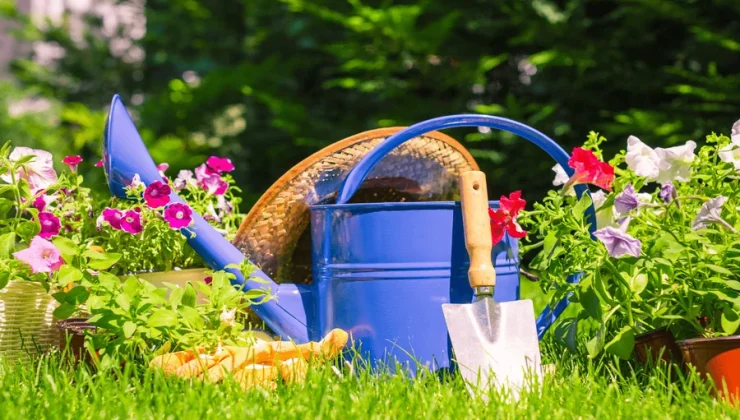
As the chill of winter recedes and the days grow longer, spring emerges as a pivotal time for lawn care. The awakening of grass from dormancy signals the onset of a new growth cycle, making it essential for homeowners to prepare their lawns for the vibrant months ahead. The first step in this process is to assess the condition of the lawn.
This involves inspecting for any damage caused by winter weather, such as bare patches or compacted soil. Raking away debris, including leaves and twigs, not only enhances the aesthetic appeal but also allows sunlight to penetrate the soil, promoting healthy growth. Once the lawn is cleared, it’s time to focus on soil health.
Conducting a soil test can provide valuable insights into pH levels and nutrient deficiencies. Based on the results, homeowners can amend their soil with appropriate fertilizers or organic matter, such as compost. This foundational step is crucial, as healthy soil fosters robust root systems and encourages lush grass growth.
Aeration is another beneficial practice during spring; it involves perforating the soil with holes to allow air, water, and nutrients to reach the roots more effectively. This process alleviates soil compaction and promotes a thriving lawn.
Summer Lawn Care: Maintaining and Nourishing
As summer arrives, the focus shifts from preparation to maintenance and nourishment. The heat of the sun can be both a blessing and a challenge for lawns, necessitating a strategic approach to care. As one Hervey Bay turf supplies expert stated, one of the most critical aspects of summer lawn care is watering.
During this season, grass typically requires about one inch of water per week, either from rainfall or irrigation. It’s advisable to water deeply and infrequently, encouraging roots to grow deeper into the soil. Early morning is the optimal time for watering, as it minimizes evaporation and allows grass blades to dry before evening, reducing the risk of fungal diseases.
In addition to proper watering techniques, mowing practices play a significant role in maintaining a healthy lawn during summer. Keeping the mower blades sharp ensures clean cuts, which helps prevent stress on the grass. It’s also important to adhere to the “one-third rule,” which states that no more than one-third of the grass blade should be removed in a single mowing session.
This practice not only promotes healthier growth but also helps retain moisture in the soil. Furthermore, leaving grass clippings on the lawn can provide natural nutrients as they decompose, acting as a form of organic fertilizer.
Fall Lawn Care: Preparing for Winter
As summer transitions into fall, lawn care takes on a new dimension focused on preparing for the impending winter months. This season is often regarded as one of the most critical times for lawn maintenance, as it sets the stage for a healthy lawn come spring. One of the primary tasks during fall is overseeding, which involves spreading grass seed over existing turf to fill in bare spots and improve overall density.
This practice is particularly beneficial for cool-season grasses, which thrive in the cooler temperatures of fall. In conjunction with overseeding, fertilization is essential during this time. Applying a high-nitrogen fertilizer in early fall provides the necessary nutrients for grass to recover from summer stress and build strong roots before winter dormancy sets in.
Additionally, fall is an ideal time for aeration if it wasn’t done in spring; this allows for better nutrient absorption and prepares the lawn for winter by alleviating compaction. As temperatures drop, mowing frequency may decrease, but it’s still important to keep grass at an appropriate height to protect it from frost damage.
Winter Lawn Care: Protecting and Preparing for Spring
Winter presents unique challenges for lawn care, but with proper attention, homeowners can protect their lawns and prepare them for a successful spring revival. One of the most critical aspects of winter lawn care is minimizing foot traffic on dormant grass. Walking on frozen or snow-covered lawns can lead to compaction and damage that may take time to recover from once spring arrives.
If snow accumulates on the lawn, it’s advisable to avoid shoveling it off unless absolutely necessary, as this can disturb the grass beneath. Another important consideration during winter is managing thatch buildup. Thatch is a layer of organic material that can accumulate on the soil surface and impede water and nutrient absorption.
If thatch exceeds half an inch in thickness, it may be necessary to dethatch the lawn in early spring before new growth begins. Additionally, homeowners should take this time to plan for spring by researching suitable grass varieties or considering lawn renovations that may enhance overall health and appearance.
Year-Round Lawn Care: Essential Maintenance Tasks
While each season presents its own unique challenges and tasks, there are essential maintenance practices for your home or small business that should be performed year-round to ensure a healthy lawn. Regular mowing is fundamental; maintaining an appropriate height not only enhances curb appeal but also promotes healthy growth by allowing sunlight to reach lower blades. Additionally, keeping mower blades sharp is crucial for clean cuts that minimize stress on grass plants.
Weed control is another year-round task that cannot be overlooked. Weeds compete with grass for nutrients and water, so implementing a proactive approach is vital. This may involve applying pre-emergent herbicides in early spring to prevent weed seeds from germinating or using post-emergent herbicides during active growth periods.
Hand-pulling weeds can also be effective, especially in smaller areas where chemical applications may not be desirable.
Tips for a Healthy and Beautiful Yard Throughout the Seasons
To achieve a healthy and beautiful yard throughout the seasons, homeowners should adopt a holistic approach that encompasses various aspects of lawn care. One effective strategy is to create a seasonal calendar that outlines specific tasks for each month, ensuring that no critical maintenance activities are overlooked. This proactive planning can help streamline efforts and promote consistent care.
In addition to regular maintenance tasks, incorporating native plants and landscaping elements can enhance biodiversity and reduce maintenance needs. Native plants are often more resilient to local climate conditions and require less water and fertilizer than non-native species. Furthermore, creating designated areas for pollinators or incorporating mulch beds can improve soil health while adding visual interest to the landscape.
Finally, staying informed about local weather patterns and adjusting care practices accordingly can make a significant difference in lawn health. For instance, during periods of drought or excessive rainfall, modifying watering schedules or adjusting mowing heights can help mitigate stress on grass plants. By remaining attentive to seasonal changes and adapting care practices accordingly, homeowners can cultivate a vibrant yard that thrives throughout the year.