
How Veterinarians Address Anxiety In Pets During Exams
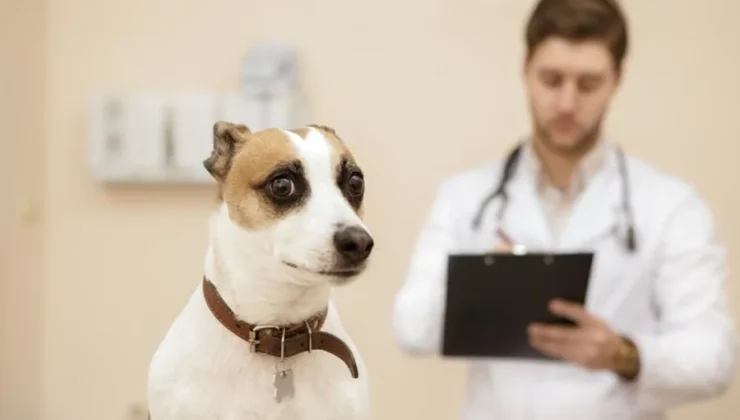
Pets often face anxiety during vet exams. Their behavior might change, causing stress for both you and your pet. Understanding this, a veterinarian in Unionville-Markham focuses on easing your pet’s worries. They use calming techniques and methods to create a sense of safety. These can include soft voices, gentle touches, and rewards for good behavior. By building trust, your pet feels more comfortable. This approach not only benefits the exam process but strengthens your bond with your pet. You can help by preparing your pet with practice visits and familiarizing them with travel. It’s important to stay calm yourself, as pets sense your emotions. In Unionville-Markham, veterinarians are dedicated to ensuring a stress-free experience for your furry companion. You can expect a caring environment where both you and your pet feel supported. With these strategies, you’ll find exams become less daunting, paving the way for better health cooperation.
Understanding Pet Anxiety
Pet anxiety is common. During exams, unfamiliar surroundings and people can trigger fear. Recognizing signs like trembling, hiding, or excessive panting helps you address these anxieties. Awareness allows early intervention, making the experience smoother for your pet.
Calming Techniques
Many veterinarians use specific methods to calm anxious pets. Here are effective strategies:
- Desensitization: Gradually introduce your pet to the vet clinic environment. Short, positive visits without exams can help.
- Positive Reinforcement: Reward calm behavior with treats or praise. This encourages your pet to associate the clinic with positive experiences.
- Pheromone Therapy: Products like calming sprays can reduce anxiety. They mimic natural calming signals.
Creating a Comfortable Environment
Veterinary clinics aim to provide a pet-friendly atmosphere. From quiet waiting areas to separate spaces for cats and dogs, these steps minimize stress. Clinics may use calming music or provide soft bedding to create a soothing ambiance.
The Role of Veterinary Staff
Trained staff play a crucial role in reducing pet anxiety. Their approach includes:
- Gentle Handling: Using slow, gentle movements to prevent startling the pet.
- Communication: Staff explain procedures to you, ensuring you understand and feel relaxed.
- Patience: Allowing pets extra time to adjust to the exam room before starting any procedure.
Preparation at Home
Preparing your pet at home can make a significant difference. Here are ways to help:
- Familiarization: Introduce your pet to their carrier or harness well before the visit.
- Practice Car Rides: Routine short rides can reduce travel anxiety.
- Maintain Calm: Your calm demeanor reassures your pet.
Comparison of Common Techniques
| Technique | Effectiveness | Ease of Use |
|---|---|---|
| Desensitization | High | Medium |
| Positive Reinforcement | High | High |
| Pheromone Therapy | Medium | High |
Resources for Further Information
For more details on pet anxiety, consider these resources:
- American Veterinary Medical Association provides guidance on vet visit preparation.
- ASPCA offers insights into what to expect during vet visits.
Conclusion
Addressing anxiety in pets during exams requires a compassionate approach. By understanding their fears and using calming techniques, you contribute to a more positive veterinary experience. Your efforts at home, combined with the support of caring veterinary staff, pave the way for better health and happier pets. Remember, a relaxed pet leads to a more effective exam, ensuring your pet’s well-being.