
3 Common Surgeries Performed At Cat And Dog Hospitals
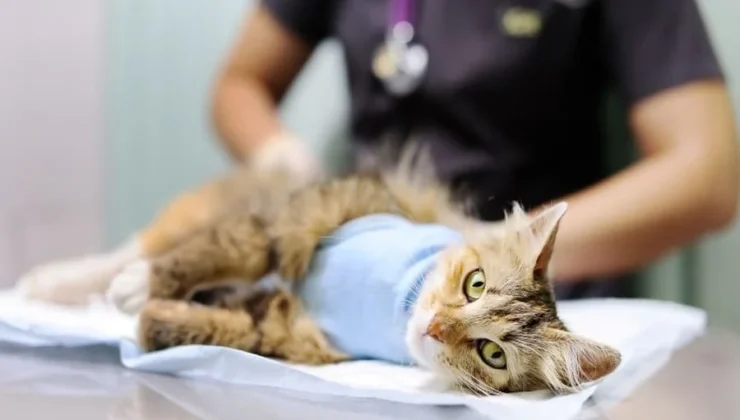
When your furry loved ones fall ill, you turn to trusted experts for help. At a Pet hospital in Carmichael ca, skilled veterinarians perform surgeries to improve your pet’s health. Cats and dogs often need procedures to maintain or restore their well-being. Understanding the most common surgeries helps you make informed decisions about your pet’s care. Three surgeries frequently performed are spaying or neutering, dental extractions, and removal of tumors. Each surgery addresses specific issues that can impact your pet’s quality of life. Spaying or neutering helps control the pet population while reducing health risks. Dental extractions relieve pain from decayed teeth. Tumor removals can prevent further spread and complications. By understanding these surgeries, you take an active role in ensuring your pet lives a healthier, happier life. Your bond strengthens through this shared journey of care, creating a more fulfilling experience for both of you.
Spaying and Neutering
Spaying or neutering is essential for many reasons. This procedure prevents unwanted litters, helping address the issue of overpopulation. It also reduces the risk of certain cancers and infections in your pets. Female dogs and cats benefit significantly from spaying, which eliminates the possibility of uterine infections and reduces breast cancer risk. Male pets, on the other hand, experience a lower risk of testicular cancer and prostate problems when neutered.
The decision to spay or neuter your pet is not only a health choice but also a behavioral one. Pets that undergo these surgeries often exhibit calmer behavior. They tend to roam less and show fewer signs of aggression. According to the American Veterinary Medical Association, this surgery is safe, and recovery times are short, usually within a couple of weeks.
Dental Extractions
Good dental health is vital for your pet’s overall well-being. Dental extractions might be necessary when teeth become decayed or infected. This procedure can alleviate pain and prevent further health issues like kidney or heart diseases. Pets often hide their dental pain, making regular check-ups critical.
The process involves removing affected teeth and then ensuring the site heals properly. Although it might sound daunting, recovery is typically quick. Pets often return to normal activities within days. Maintaining your pet’s oral health is a foundational step in their care. Regular brushing and dental check-ups significantly reduce the chance of extractions becoming necessary.
| Surgery Type | Purpose | Benefits |
|---|---|---|
| Spaying/Neutering | Prevent overpopulation and reduce cancer risks | Healthier, calmer pets, fewer behavioral issues |
| Dental Extractions | Remove decayed or infected teeth | Pain relief, prevention of further health issues |
| Tumor Removal | Eliminate or biopsy suspicious growths | Prevents spread, improves life quality |
Tumor Removal
Tumor removals are critical when a suspicious growth appears on your pet. Not all tumors are cancerous, but having them examined through biopsy is essential. Removing tumors can prevent potential spread and alleviate pressure or pain from growths.
The surgery itself involves the removal of the tumor and a margin of surrounding tissue to ensure complete excision. Recovery varies depending on tumor size and location. With early detection and removal, many pets resume normal activities quickly and enjoy a better quality of life.
It’s essential to observe any changes in your pet’s behavior or physical appearance. Early detection significantly improves outcomes. Regular veterinary visits are your best defense against unnoticed conditions that may require such surgeries.
Conclusion
Understanding these common surgeries can help you make informed decisions about your pet’s health. Each of these procedures aims to improve and extend your pet’s life, ensuring they remain an active part of your family for years. Consult with your veterinarian about these surgeries if you have concerns about your pet’s health. A knowledgeable, proactive approach keeps your furry friends healthy and happy.