
Zuhagarten: The Garden of Light and Life
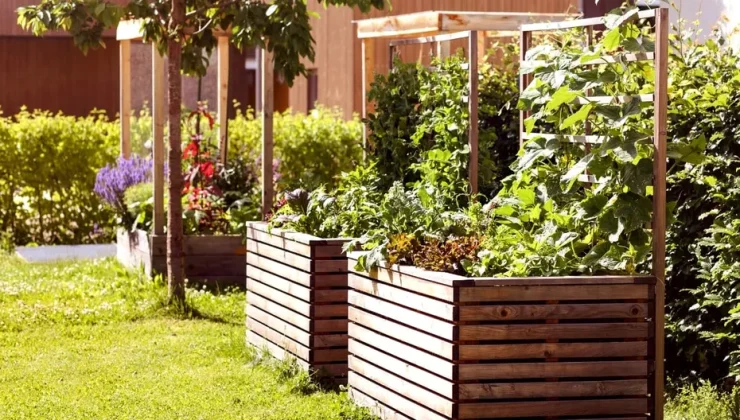
In recent years, the term “Zuhagarten” has begun to gain attention in lifestyle, gardening, and design circles. While it may appear to be a brand name at first glance, the word itself is a blend of “Zuha” and the German word “Garten” (meaning garden). The resulting concept translates loosely to “Garden of Light”—a space where beauty, tranquility, and personal growth converge.
Zuhagarten is not just about planting or decorating; it is a lifestyle philosophy. It encourages people to reconnect with nature, reflect on their inner selves, and create personal spaces that foster serenity and mindfulness. These gardens can range from expansive outdoor yards to compact balcony arrangements, but the core idea remains the same: designing a personal sanctuary that nurtures the body, mind, and soul.
Definition and Key Principles
At its core, Zuhagarten refers to a thoughtfully crafted space that balances natural elements, aesthetics, and functionality. The philosophy emphasizes:
- Intentionality: Every plant, stone, or decoration is placed with purpose. The designer considers not just visual appeal but also the emotions and experiences they want to evoke.
- Connection with Nature: Zuha garten encourages interaction with natural elements—sunlight, wind, soil, and greenery—to foster a sense of calm and rejuvenation.
- Integration into Daily Life: These gardens are meant to be lived in, whether for reading, meditation, gardening, or casual social gatherings. Even small spaces like a balcony or a windowsill can be transformed into a mini Zuhagarten.
Steps to Create Your Own Zuhagarten
Building a Zuha garten requires careful planning and a mindful approach. Here are the essential steps:
1. Define Your Purpose
Ask yourself: “What do I want to feel or experience in this space?” The answer will guide every decision, from the type of plants to the layout. Common goals include relaxation, creativity, socializing, or simply connecting with nature.
2. Plan the Layout
- Select Your Space: Whether it’s a backyard, rooftop, or balcony, choose a location that receives adequate sunlight and fits your lifestyle.
- Design Pathways and Zones: Consider areas for walking, seating, or working. Pathways can be made of natural stone, wood, or gravel to complement the overall design.
- Plant Selection: Choose plants suitable for your climate and maintenance preference. Native plants are usually easier to care for and attract local wildlife.
3. Layer Elements Thoughtfully
A Zuhagarten should feel balanced and harmonious. Layer plants by height and type—tall trees or shrubs at the back, medium-sized plants in the middle, and ground cover or flowers in the front. Add decorative elements like benches, sculptures, or water features to enhance the sensory experience.
4. Consider Light and Ambiance
Light is central to the concept of Zuha garten. Natural sunlight should be maximized, but soft lighting can extend usability into the evening. String lights, lanterns, or solar lamps can add a warm, inviting glow. Shadows and textures created by plants also contribute to the dynamic atmosphere.
5. Maintain Mindfully
Unlike purely decorative gardens, Zuha garten emphasizes ongoing care and attention. Routine watering, pruning, and seasonal adjustments ensure the space remains vibrant and alive. Maintenance becomes a meditative practice rather than a chore.
Benefits of Zuhagarten
The advantages of creating a Zuhagarten are not purely aesthetic:
- Mental Health: Regular interaction with green spaces reduces stress, anxiety, and mental fatigue.
- Physical Activity: Gardening, walking, and tending plants provide low-impact physical exercise.
- Enhanced Creativity: Calm, natural environments foster creative thinking and problem-solving.
- Community and Family: Zuha garten spaces can serve as gathering points for family, friends, or neighbors.
- Connection with Nature: A well-designed garden encourages observation of plants, insects, birds, and seasonal changes.
Modern Applications
Today, Zuhagarten concepts are influencing urban design, interior spaces, and digital wellness trends:
-
Urban Balconies: Even small apartments can implement vertical gardens, container planting, and natural décor to create a mini Zuha garten.
-
Workspaces: Offices are integrating plants, small garden corners, and natural light to boost employee well-being and productivity.
-
Digital Inspiration: Social media and lifestyle blogs often showcase Zuhagarten-inspired spaces to motivate urban dwellers to bring nature into their homes.
Conclusion
Zuhagarten represents more than a garden—it is a philosophy that merges aesthetics, mindfulness, and ecological awareness. By creating spaces intentionally designed for reflection, relaxation, and connection with nature, individuals can transform ordinary areas into personal sanctuaries.
Whether you have a sprawling backyard or a modest balcony, adopting the Zuhagarten approach allows you to cultivate not just plants, but also peace, creativity, and a deeper sense of well-being.
In 2025 and beyond, the Zuhagarten philosophy continues to inspire individuals worldwide, reminding us that even small pockets of nature can enrich our daily lives in profound ways.