
The Role Of Animal Hospitals In Managing Allergies In Pets
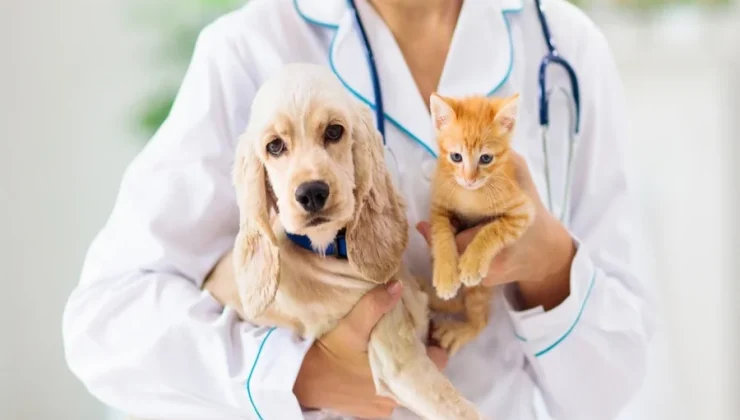
Pets suffer from allergies just like people do. Sneezing, itching, and discomfort remind us of their vulnerability. You may wonder how you can help your pet. Enter the animal hospital. Their expert care soothes your pet’s struggles. The Douglasville animal hospital stands ready to ease your pet’s allergy woes. Imagine your pet finally resting comfortably. Allergy management starts with correct diagnosis. Vets identify the triggers causing misery. Then, they provide tailored treatments. They customize plans to each pet’s unique needs. This approach ensures effective relief. Veterinarians educate you on prevention, too. You learn how to minimize allergy risks at home. This knowledge transforms your care routine. Animal hospitals offer a haven for healing. Their commitment to pet wellness is unwavering. Investing in professional care promises better outcomes. Your pet deserves to live without allergy burdens. Let the skilled hands of an animal hospital guide you both to relief.
Understanding Pet Allergies
Allergies in pets can be frustrating. Symptoms include itching, sneezing, and skin irritation. Different allergens like pollen, dust, or certain foods can trigger reactions. Identifying these allergens is crucial. Allergy management focuses on alleviating symptoms and reducing exposure. Veterinarians at animal hospitals employ various methods to diagnose allergies. These include skin tests and blood work. Getting the correct diagnosis opens the door to effective treatment.
Common Causes of Pet Allergies
Pets react to a range of allergens. The table below outlines these common causes:
| Type | Common Allergens |
|---|---|
| Environmental | Pollen, mold, dust mites |
| Food | Beef, dairy, wheat |
| Flea Allergy | Flea saliva |
| Contact | Shampoos, cleaning products |
Diagnostic Procedures at Animal Hospitals
Animal hospitals perform thorough examinations to pinpoint allergy sources. They may start with a detailed history and a physical exam. Skin tests help determine environmental allergens. Blood tests can confirm food allergies. This process might seem lengthy, but it’s essential for accurate results. Precise identification of allergens allows for better management strategies.
Treatment Options Available
Treatment depends on the allergen type. Some pets benefit from immunotherapy, which gradually reduces sensitivity. Others may require dietary changes to combat food allergies. Medications can alleviate symptoms, making pets comfortable. With the right treatment, pets can experience significant improvements. Consistent care is key to managing allergies effectively.
Home Care and Prevention Tips
Your role in managing your pet’s allergies is crucial. Simple steps can make a big difference. Consider these tips:
- Keep your home clean. Reduce dust and mold.
- Choose hypoallergenic diets if food is a trigger.
- Regularly bathe your pet with vet-recommended shampoos.
- Use flea prevention treatments consistently.
These actions help minimize allergy triggers and keep your pet comfortable.
The Importance of Regular Vet Visits
Routine vet visits are invaluable. Regular check-ups allow for ongoing monitoring of allergy symptoms. Vets can adjust treatment plans as needed. This proactive approach ensures your pet’s health is closely watched. You gain peace of mind knowing that professional care is always available. Animal hospitals stand by to support you and your pet through this journey.
Conclusion
Managing pet allergies can be challenging, but animal hospitals offer essential support. They provide expert diagnosis, treatment, and education. This comprehensive approach ensures your pet receives the best possible care. Your pet’s comfort and health are their priority. Trusted veterinary care makes a real difference. Commit to regular visits and follow vet advice. Together, you and your pet can navigate allergy challenges with confidence.