
General Dentistry For Every Stage Of Life: From Childhood To Senior Care
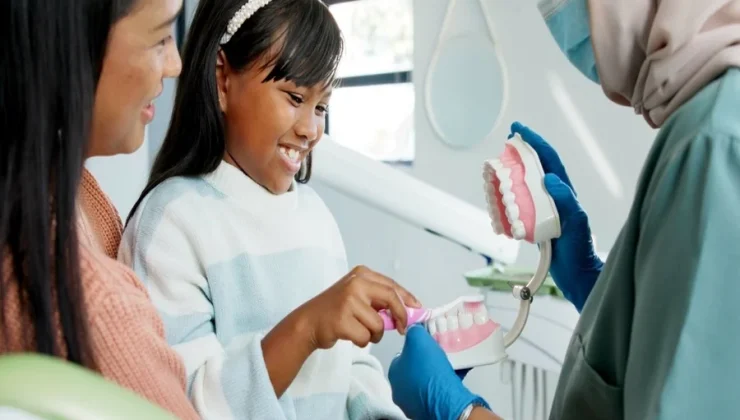
You may not think about it often, but oral health impacts every stage of life. From baby teeth to dentures, each phase holds unique challenges and needs. Early dental check-ups can spare your child from pain or anxiety later. As you grow, regular visits prevent issues and maintain a healthy smile. For adults, keeping up with dental appointments means catching problems before they become emergencies. In your golden years, dental care remains equally important. Gum health, tooth loss, or oral cancer screenings require attention. A Richmond Hill dentist guides you through these stages with care and expertise. They focus on prevention and early treatment to save time and discomfort. Neglecting oral hygiene can lead to pain, even affecting other health issues. So, whether you’re a parent, adult, or senior, make dental care a priority. Each stage of life has specific needs, and regular visits make all the difference.
Childhood: Building A Strong Foundation
In childhood, dental health sets the stage for a lifetime of healthy smiles. Visits to the dentist should start with the appearance of the first tooth. These visits help in catching potential issues early. Cavities are common in children, but early detection and treatment prevent further complications. Brushing and flossing habits should be taught early to ensure good dental health.
Adolescence: Navigating Changes
Teen years bring a host of changes. Wisdom teeth may start to emerge, requiring monitoring for potential removal. Orthodontic treatments, like braces, are common during this time. Adolescents are also at risk for sports-related dental injuries. Mouthguards can provide protection. Encouraging regular dental visits helps reinforce healthy habits that support long-term oral health.
Adulthood: Maintaining Oral Health
For adults, dental care shifts focus to maintenance and prevention. Regular cleanings and check-ups are essential to catch problems early. Issues like gum disease often surface in adulthood. According to the Centers for Disease Control and Prevention (CDC), nearly half of adults over 30 show signs of gum disease. Addressing these concerns promptly can prevent tooth loss. Routine care is more effective after treatment. Begin regular check-ups to maintain oral health.
Senior Care: Addressing Unique Needs
In your senior years, dental health continues to demand attention. Changes in general health, medications, and diet may affect oral health. Tooth loss, receding gums, and dry mouth are common issues. Regular dental visits help address these challenges. Dentures or dental implants may become necessary. Screening for oral cancers becomes crucial, as the risk increases with age. Never underestimate the importance of oral health in senior years.
Dental Care Comparison Across Life Stages
| Life Stage | Key Concerns | Preventive Tips
|
|---|---|---|
| Childhood | Cavities, Early tooth development | Start dentist visits early, Teach brushing and flossing |
| Adolescence | Wisdom teeth, Orthodontics | Regular check-ups, Use mouthguards for sports |
| Adulthood | Gum disease, Oral hygiene upkeep | Routine cleanings, Address issues early |
| Senior Care | Tooth loss, Oral cancer | Regular screenings, Consider dentures or implants |
Emphasizing Prevention
Prevention is the cornerstone of dental health at every age. Flossing and brushing daily are non-negotiable. Fluoride toothpaste strengthens teeth and protects against cavities. Dental sealants for children offer an extra layer of protection. Adults and seniors should watch for any changes in their oral health and report them to their dentist immediately. By prioritizing prevention, you avoid discomfort and expense later.
Your Partner in Dental Health
Your dentist is your partner in maintaining oral health throughout your life. They provide guidance tailored to your needs. With their expertise, you can navigate the challenges each stage of life presents. Trust in professional care to maintain a healthy and confident smile. Regular visits can make all the difference, ensuring your oral health supports your overall well-being.