
4 Post Cleaning Habits Dentists Recommend For Lasting Freshness
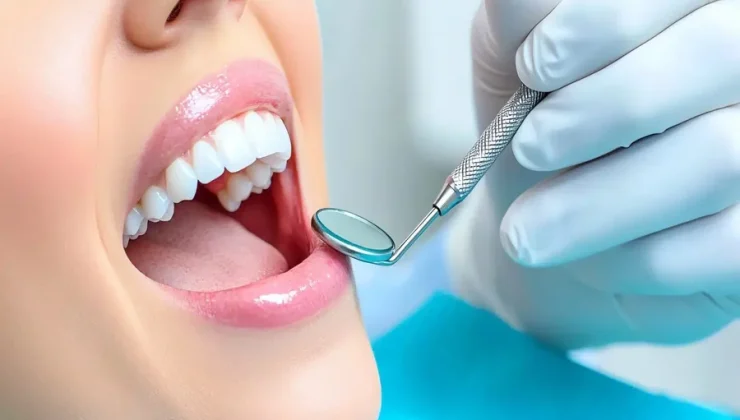
Maintaining a clean mouth goes beyond just brushing and flossing. Dentists suggest simple habits to ensure lasting freshness. Following these practices daily can make a difference in your oral health. You may think that brushing alone is enough, but that’s not true. Denton dentist highlights the importance of consistent aftercare to prevent problems. First, rinse your mouth with water to wash away food particles. Second, use a tongue scraper to reduce bacteria. Third, consider a mouthwash rinse to reach areas your toothbrush can’t. Finally, change your toothbrush every few months to keep things effective. These steps are vital for keeping your mouth fresh and healthy. They are also simple enough to fit into your daily routine. Understanding these practices can help you achieve long-lasting results. Don’t overlook the benefits of good oral hygiene. Follow these easy steps and enjoy the freshness you deserve.
Rinsing with Water
Right after brushing, rinse your mouth with water. This practice helps remove any remaining food particles and reduces acid levels in your mouth. Regular rinsing can prevent bacteria from building up, which often leads to bad breath and other oral issues. It’s an effortless step that can significantly improve your oral health.
For further details on the significance of rinsing, you can visit the Centers for Disease Control and Prevention website. They provide a wealth of information on maintaining oral hygiene effectively.
Using a Tongue Scraper
Most people overlook their tongue during their cleaning routine. The tongue harbors bacteria, much of which can contribute to bad breath. Tongue scrapers are designed to remove this bacteria, fostering a fresher mouth. Using a tongue scraper each morning can assist in reducing bacteria levels substantially, promoting lasting freshness.
If you’re unsure how to use a tongue scraper, the American Dental Association offers guidance on proper oral hygiene practices including tongue cleaning.
Incorporating Mouthwash
Mouthwash can reach areas in your mouth where your toothbrush might not. It helps rinse away debris and offers a fresh feeling that lasts longer. Look for mouthwashes that contain fluoride for added cavity protection. This step, when done right, can be a powerful addition to your routine, providing benefits that brushing and flossing alone might miss.
Ensure to follow the instructions on your mouthwash’s label for the best results. This step not only keeps your breath fresh but also strengthens your overall oral hygiene strategy.
Replacing Your Toothbrush
Your toothbrush doesn’t last forever. Dentists recommend changing your toothbrush every three to four months. Old toothbrushes can harbor bacteria and become less effective over time. Mark your calendar to remind yourself when it’s time to replace your brush. Doing so ensures you’re using an effective tool for cleaning your teeth and gums.
Here’s a simple table to help you keep track of when to replace your toothbrush:
| Month | Action |
|---|---|
| January | Replace toothbrush |
| April | Replace toothbrush |
| July | Replace toothbrush |
| October | Replace toothbrush |
The journey to maintain oral freshness doesn’t have to be arduous. These recommended habits are easy to integrate into your daily schedule. By rinsing with water, using a tongue scraper, incorporating mouthwash, and replacing your toothbrush, you’re choosing to invest in your oral health. Consistency is your ally in achieving a fresh and healthy mouth. Remember, small actions can have significant impacts on your overall well-being.