
How Modern Animal Hospitals Use Digital Imaging For Pet Care
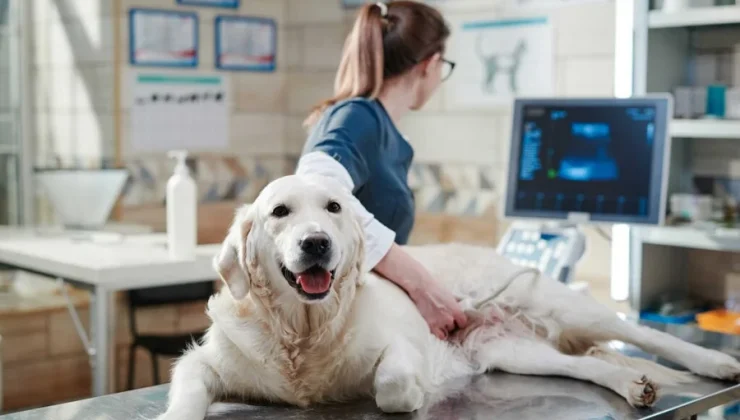
When your pet needs medical attention, you want the best possible care. Modern animal hospitals understand this. They use digital imaging for more accurate diagnosis and treatment. Digital imaging helps veterinarians detect issues early, making treatments more effective. You see quicker results, and your pet experiences quicker relief. Hospitals now use X-rays, ultrasounds, and CT scans to see inside your pet without invasive procedures. These tools reduce stress for your pet and give you peace of mind with clearer answers. A Marianna veterinarian, for instance, can find problems that are not visible to the naked eye. By using digital imaging, vets offer precise treatments. This technology helps find fractures, tumors, and other conditions in pets. You and your veterinarian can make informed decisions to improve your pet’s health. Digital imaging is not just a tool. It is a crucial part of compassionate pet care.
Understanding Digital Imaging
Digital imaging represents a significant advancement in veterinary care. These techniques include X-rays, ultrasounds, and CT scans. Each method serves a specific purpose. X-rays are great for viewing bones and detecting fractures. Ultrasounds look at soft tissues and internal organs. CT scans provide a detailed picture of complex conditions. These technologies offer a comprehensive view without discomfort for your pet.
Benefits of Digital Imaging
The advantages of digital imaging extend to both pets and owners. Here are some key benefits:
- Non-invasive: Unlike traditional methods, digital imaging does not require surgery.
- Quick results: Images are available almost instantly, reducing waiting times.
- Accurate diagnosis: High-quality images lead to better diagnosis and treatment plans.
Comparison of Imaging Techniques
| Technique | Uses | Benefits |
|---|---|---|
| X-rays | Bone fractures, dental issues | Quick and effective for hard tissues |
| Ultrasound | Soft tissues, pregnancy diagnosis | Safe for repeated use |
| CT Scans | Complex conditions, tumor detection | Detailed images of internal structures |
Real-Life Applications
Digital imaging has practical applications that benefit your pet’s health. For example, detecting a small fracture early can prevent future complications. By using an ultrasound, vets can monitor pregnancies without exposing pets to radiation. Advanced CT scans help identify tumors, enabling prompt treatment. These applications show the importance of digital imaging in securing your pet’s well-being.
Choosing the Right Care
When selecting a vet, consider their imaging capabilities. Ask about the available technologies and how they improve care. The use of digital imaging often indicates a commitment to high-quality service. You can visit resources like the Texas A&M College of Veterinary Medicine and Biomedical Sciences for more information on veterinary advancements. Your choice directly impacts your pet’s health outcomes.
Innovations in Veterinary Imaging
New developments in digital imaging continue to emerge. Portable devices now allow vets to perform scans outside the clinic. These advancements increase accessibility and convenience. Apps and software also support accurate image interpretation. These tools ensure vets make informed decisions about your pet’s care. To explore ongoing research, check the American Veterinary Medical Association for the latest updates.
Conclusion
Digital imaging stands at the forefront of modern veterinary care. It provides accurate diagnoses, faster results, and less stress for pets. By using these tools, veterinarians improve the quality of life for your furry friends. Understanding these technologies helps you make informed choices about your pet’s care. Trust that with these advancements, your beloved pet receives the best possible attention. Choose an animal hospital that embraces digital imaging for safer and more effective pet care.