
4 Signs It’s Time To Schedule Your Child’s First Orthodontic Screening
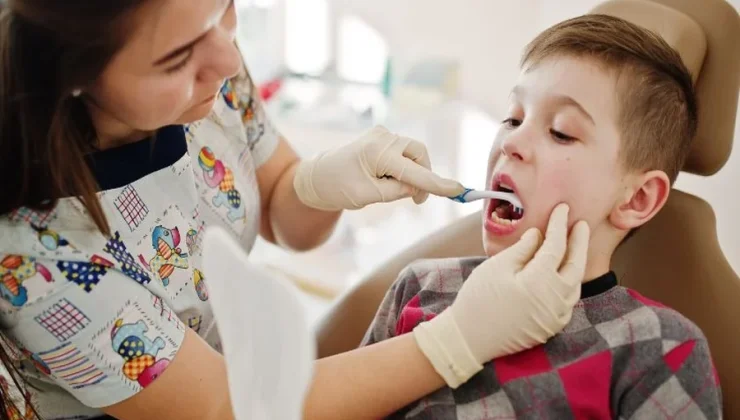
You care deeply about your child’s smile and overall health. Catch potential dental issues early. The American Association of Orthodontists recommends a screening by age seven. This can prevent problems before they start. A Richmond family dentist emphasizes that early detection ensures a brighter future for your child. Orthodontic screenings help identify problems like misaligned teeth or jaw discrepancies. These issues may seem minor, but addressing them early can save time and discomfort later. You might wonder if your child needs a screening. If they show certain signs, don’t wait. Take action to protect their dental health. Here are four signs that your child might benefit from an orthodontic screening. Understanding these signs empowers you to make informed decisions. You don’t need to be an expert. Trust your instincts and prioritizing your child’s oral health can make all the difference. Stay informed and proactive for your child’s well-being.
Sign 1: Early or Late Loss of Baby Teeth
Timing matters when it comes to losing baby teeth. If your child loses teeth earlier or later than their peers, this may signal orthodontic issues. Early loss can cause remaining teeth to shift. Late loss might indicate crowding or other concerns. The National Institutes of Health highlights the importance of monitoring tooth development. See their guide on dental development for more details. Monitoring these patterns helps you catch potential issues early. An orthodontist can provide insights and plan appropriate interventions.
Sign 2: Difficulty Chewing or Biting
Watch how your child eats. Difficulty chewing or biting may suggest misaligned teeth or jaw problems. These can impact nutrition and oral health. The Centers for Disease Control and Prevention states that proper alignment is crucial for effective chewing. Visit their oral health fast facts for more information. Addressing these issues early can prevent further complications. Don’t wait for discomfort to grow. Early intervention is key to improving your child’s quality of life.
Sign 3: Mouth Breathing
Mouth breathing often signals narrow jaws or other structural issues. It can lead to dry mouth, affecting oral health. If you notice this habit, consider seeking advice from an orthodontist. They can assess underlying causes and recommend solutions, preventing long-term harm. Understanding why your child breathes through their mouth is essential. It helps in identifying structural concerns that might otherwise go unnoticed.
Sign 4: Crowded or Misplaced Teeth
Observe your child’s smile for signs of crowding. Crowded teeth may not have enough space to align properly. This can cause biting issues and increase the risk of cavities. Misplaced teeth might indicate alignment problems needing correction. Early assessment can create room for proper development. This reduces the need for more invasive treatments later.
Benefits of Early Orthodontic Screening
Screening provides numerous advantages. It helps in planning treatments effectively. Early intervention may reduce treatment duration and complexity. Below is a comparison of early vs. late treatment outcomes:
| Early Treatment | Late Treatment |
|---|---|
| Shorter Treatment Duration | Longer, More Complex Treatment |
| Reduced Need for Surgeries | Higher Likelihood of Surgeries |
| Lower Treatment Costs | Higher Treatment Costs |
Conclusion: Take Action Today
Recognizing these signs empowers you to make wise decisions. Early screening can make a significant difference in your child’s oral health. Collaborate with professionals who prioritize your child’s well-being. Consult an orthodontist if you see any of these signs. Stay proactive to ensure a healthy, happy smile for your child.