
3 Reasons Cosmetic Dentistry Is Becoming More Family Oriented
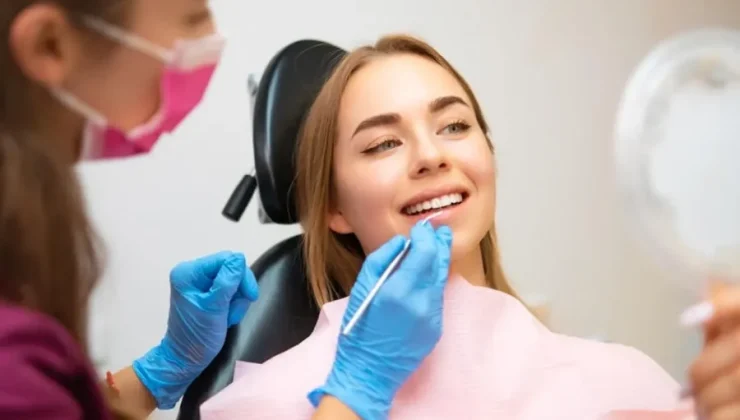
Cosmetic dentistry used to feel like a luxury for adults only. Today you see parents and children asking about the same treatments. You want straight teeth, a steady smile, and care that fits your whole family. You also see names like Hemet SureSmile and wonder if this type of care is safe and worth it for your child. This change in focus is not a trend. It reflects how families now see oral health, confidence, and daily life as linked. You look for options that fix problems early. You also want solutions that respect your time, budget, and fears. This blog explains why cosmetic dentistry is shifting toward families. It shows how new tools, new habits, and new expectations shape the care you choose for yourself and your children.
Reason 1: You Want Healthy Smiles That Last
Cosmetic care is no longer only about looks. You want teeth that look good and stay strong. You want your child to chew, speak, and smile without pain or shame. You also want to avoid bigger problems later.
The line between “cosmetic” and “health” care is thin. Straight teeth are easier to clean. A stable bite can lower the risk of chipped teeth. Fixing worn or broken teeth can help you chew better. The same is true for your child.
Early treatment can prevent long term harm. The American Dental Association explains that regular care helps prevent cavities and gum disease and also supports speech and learning in children.
When you ask about whitening, bonding, or clear aligners for your teen, you often want three things.
- Health
- Comfort
- Confidence
Cosmetic care now aims at all three. Many offices use the same visit to check for cavities, discuss brushing, and plan cosmetic changes. This saves time. It also helps your child see oral health as one simple routine.
Reason 2: New Technology Fits Busy Family Life
Family schedules are crowded. You juggle school, work, sports, and care. You cannot sit through long, frequent visits. New tools now make cosmetic care quicker and more predictable for both adults and children.
Clear aligner systems and guided braces, like the approach used with Hemet SureSmile, rely on digital scans and planning. Traditional metal braces often need more visits for wire changes. Computer guided systems can reduce the number of visits and shorten treatment time.
Example Comparison: Traditional Braces vs Digital-Guided Aligners
| Feature | Traditional Metal Braces | Digital-Guided Clear Aligners
|
|---|---|---|
| Appearance | Visible brackets and wires | Clear trays that blend with teeth |
| Comfort | Can rub cheeks and lips | Smooth surfaces with fewer sore spots |
| Eating | Food limits like gum and hard snacks | Trays removed for meals |
| Cleaning | Harder to brush and floss | Normal brushing and flossing |
| Visit Frequency | More frequent wire checks | Often fewer, shorter visits |
This kind of care fits family needs.
- You spend less time in the office.
- Your child eats a normal diet with fewer limits.
- You can see digital mock ups of expected results before you start.
Modern whitening, tooth colored fillings, and crowns also use quicker methods. Many offices use digital scans instead of sticky molds. Some can place a crown in one visit. That means fewer missed classes or workdays and less stress for you and your child.
The National Institute of Dental and Craniofacial Research explains that early and regular dental care can reduce missed school days and reduce pain.
Reason 3: You Care About Confidence As Much As Cavities
Children feel pressure about how they look. You see it in school photos and social media. Teeth often become a target for teasing. You want to protect your child’s sense of self as much as their body.
Cosmetic dentistry now speaks to that need. Straight, clean looking teeth can help your child smile in class, speak up, and join in. You may remember hiding your own teeth as a child. You do not want that for your son or daughter.
Families now ask for three types of support.
- Early braces or aligners when crowding first shows
- Minor reshaping or bonding to fix chips or uneven edges
- Whitening for older teens after decay and gum checks
These steps do more than change photos. They can support mental health. Children who feel safe smiling are more likely to join clubs, talk to teachers, and form strong friendships. The same is true for adults who return to work or seek a new job.
Many offices now create a calm, family tone.
- Staff talk directly to children and explain each step.
- Parents receive clear choices with plain language.
- Payment plans spread out costs so care feels possible.
This focus on trust and clear talk makes cosmetic care feel less like a luxury and more like part of normal family health.
How To Decide What Is Right For Your Family
You still need to protect your family from unsafe or unneeded care. You can take three basic steps.
- Ask for a full exam first. Make sure any disease is treated before cosmetic work.
- Request a simple written plan. This should list goals, steps, time, and cost.
- Check that options match your child’s age, growth, and habits.
You can also ask how each treatment affects cleaning, diet, and sports. Mouth guards, retainers, and trays can all affect daily routines. Your dentist should explain this clearly.
Key Takeaways For Your Family
Cosmetic dentistry now serves whole families. It links health, comfort, and confidence. New tools make care faster and more flexible. You can protect your child’s smile and self respect at the same time.
When you see options like Hemet SureSmile or other cosmetic choices, you can ask how they support long term health, fit your schedule, and build your child’s courage to smile. You deserve clear answers. Your family deserves care that respects both your time and your emotions.