
How Family Dentistry Builds A Foundation For Generational Oral Health
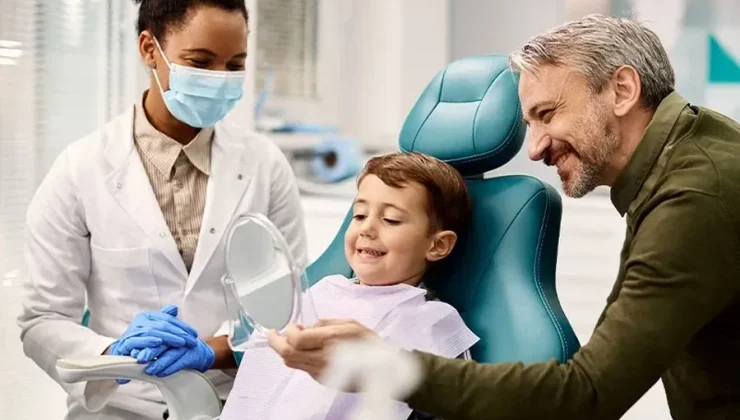
Healthy teeth rarely happen by accident. They grow from steady habits, shared lessons, and a trusted family dentist who knows your history. When you choose family dentistry, you give your children and grandchildren more than cleanings. You give them a stable base for a lifetime of strong teeth and gums. Early visits reduce fear. Regular checkups catch small problems before they turn into pain, missed school, or emergency bills. Shared appointments make care easier and keep everyone on the same page. In communities that rely on dental care in Antioch, family practices often become long term partners through every stage of life. Baby teeth. Braces. Adult crowns. Senior dentures. One office. One record. One team that understands your story. This steady support creates stronger habits, less worry, and a clear path toward lasting oral health for every generation in your home.
Why One Dental Home Matters For Your Whole Family
You carry many roles. Parent. Caregiver. Adult child of aging parents. Your time is tight. A single family dentist cuts stress and confusion. You keep one phone number. One portal. One trusted team.
A stable “dental home” also matches guidance from public health experts. The American Academy of Pediatrics and the American Academy of Pediatric Dentistry support the idea of an early and steady dental home for children. The same idea protects adults and older adults. One office tracks your family’s story across time and sees patterns that you might miss.
With a family dentist, you get three core supports.
- Consistent advice that fits your family’s habits
- Coordinated care for children, adults, and elders
- Early action when something changes in your health
How Family Dentistry Shapes Habits From The First Tooth
Strong lifelong habits usually start early. A family dentist helps you build those habits step by step.
You can expect three key stages.
- Infants and toddlers. First visit by age one or when the first tooth appears. You learn how to clean tiny teeth, use fluoride, and avoid bottle tooth decay.
- School age children. Routine cleanings, sealants, and clear talk about sugar, snacks, and sports mouthguards. You also get help with thumb sucking or grinding.
- Teens and young adults. Guidance on braces, wisdom teeth, tobacco, vaping, and sports injuries. Honest talk about how diet and stress affect teeth.
When your children watch you keep your own checkups, they see that care is normal. Not a punishment. Not a rare event. That simple model has power. Children who see regular care are more likely to keep it when they leave home.
Shared History Helps Catch Problems Earlier
Family dentistry does more than clean teeth. It connects the dots across generations. Many oral health issues run in families. Gum disease. Weak enamel. Dry mouth from certain medicines. Even fear of the dentist.
When one dentist treats your parents, you, and your children, that dentist can notice patterns. For example, if several relatives have early gum disease, the office can schedule closer cleanings and deeper checks for everyone. If your child has enamel weakness like a grandparent, your dentist can use fluoride and sealants sooner and watch those teeth more closely.
The Centers for Disease Control and Prevention explains that untreated cavities in children can cause pain, infection, and problems with eating and learning. A family dentist who knows your history can often stop these problems before they grow.
Care Across Every Life Stage
Oral health needs change as you age. A family dentist guides you through each stage with steady support.
- For children. Sealants, fluoride, cavity checks, growth checks, and help with speech or chewing concerns.
- For adults. Gum disease screening, night guards for grinding, care linked with diabetes, pregnancy, and heart disease.
- For older adults. Denture care, dry mouth from medicines, root decay, and help with brushing when hands are weak.
The National Institute of Dental and Craniofacial Research offers clear guidance about oral health through life. A family dentist uses this type of science based guidance and adapts it to your daily life.
How Family Dentistry Compares To Using Different Dentists
You may wonder if it really matters to keep everyone in one practice. The table below shows key differences.
| Aspect | One Family Dentist | Different Dentists For Each Person
|
|---|---|---|
| Medical and dental history | Shared records for all relatives. Easier to see patterns. | Scattered records. Harder to connect family risks. |
| Scheduling | Group visits. Fewer trips. Less missed work and school. | Separate visits. More time off and travel. |
| Trust and comfort | Same faces at each visit. Less fear for children and elders. | New offices and staff. More stress for nervous patients. |
| Prevention planning | One plan that fits your home habits and budget. | Mixed advice. Harder to set clear family routines. |
| Emergency care | Team already knows your story. Faster, safer choices. | New dentist must learn your history during stress. |
Turning Dental Visits Into Shared Family Routines
Strong generational health grows from simple routines that repeat. You can start now.
- Pick one family dentist and set that office as your dental home.
- Schedule paired visits. For example, you and one child at the same time.
- Use one family calendar for all cleanings and checkups.
- Talk about visits in plain, calm words. Avoid threats or bribes.
- Set shared brushing times in the morning and at night.
These small steps turn dental care into a normal, steady part of life. Not a crisis.
Building A Legacy Of Strong Teeth
Family dentistry gives you something that lasts longer than any single filling or crown. You pass down habits, knowledge, and comfort with care. Your children learn that their mouth matters. Your parents feel seen and supported as their needs change. You gain one trusted team that walks with your family through each season of life.
You cannot control every health twist. You can control this. Choose one dental home. Keep regular visits. Talk openly with your dentist. When you do, you lay a strong foundation for generational oral health that protects your family long after today.