
Why Vaccination Programs Are Vital In Animal Hospitals
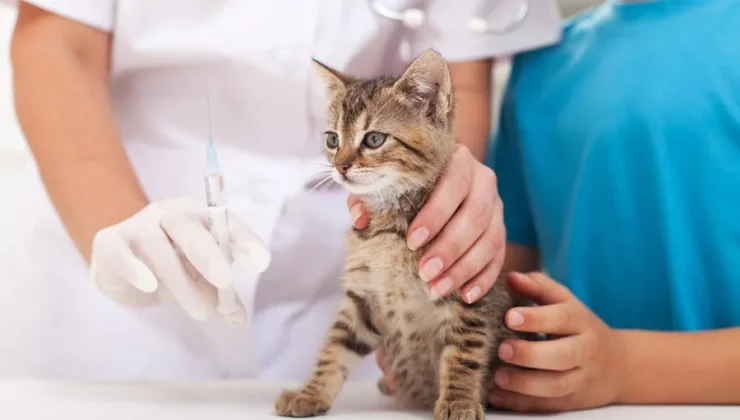
Vaccination programs protect the animals you love, the staff who care for them, and your whole community. When you walk into an animal hospital in Burlington and Oakville, you expect safety, clear plans, and honest answers. Vaccines help stop painful disease before it starts. They cut suffering, emergency visits, and hard choices about treatment. They also limit the spread of infections between pets at home, in shelters, and in clinics. Many diseases are quiet at first. You may not see early signs until your pet is already at risk. Routine shots close that gap. They give your pet a strong shield that you cannot see but you can trust. This blog explains why strong vaccine programs matter, how they protect different species, and what you should ask your veterinary team at each visit. Your choices today decide how safe your pet is tomorrow.
Why your pet depends on vaccines
Many deadly germs spread through coughs, bites, feces, or shared bowls. You cannot see them. Your pet cannot avoid them. A strong vaccine program is the only fair way to level the fight.
Vaccines help your pet in three clear ways.
- They stop many infections from taking hold.
- They make disease milder if your pet does get sick.
- They cut the spread of germs to other pets and sometimes to people.
The Centers for Disease Control and Prevention shows that rabies still kills people and animals each year. A simple rabies shot blocks a disease that is almost always fatal once signs start. That is the power of a small needle at the right time.
Core vaccines and non core vaccines
Vaccines fall into two main groups. This helps you plan with your veterinarian.
- Core vaccines. These protect against common or severe diseases that spread easily. Almost every pet needs these.
- Non core vaccines. These protect against risks linked to lifestyle or region. Your pet may need these based on travel, contact with wildlife, or time in kennels or daycare.
The table below shows common vaccines for dogs and cats and why they matter.
Common Dog and Cat Vaccines and Their Purpose
| Species | Vaccine | Core or Non Core | Main Protection
|
|---|---|---|---|
| Dog | Rabies | Core | Prevents fatal disease that can spread to people |
| Dog | DA2PP | Core | Protects against distemper, parvo, and other severe viruses |
| Dog | Bordetella | Non Core | Reduces kennel cough in social or boarded dogs |
| Dog | Leptospirosis | Non Core | Limits kidney and liver infection that can pass to people |
| Cat | Rabies | Core | Prevents fatal disease that can spread to people |
| Cat | FVRCP | Core | Protects against panleukopenia and severe respiratory infections |
| Cat | FeLV | Non Core | Reduces feline leukemia risk in social or outdoor cats |
The American Veterinary Medical Association explains that core vaccines are the base of healthy care for dogs and cats. Non core shots add a safety layer that fits your pet and your home.
How vaccine programs protect your whole community
Vaccines do more than protect one pet. They form a shared shield. When most pets in a town receive shots on time, germs have fewer chances to move from host to host. Outbreaks shrink. Shelter cages stay open. Animal hospital staff stay safer at work.
You feel the effect in simple ways.
- Fewer urgent visits for parvo in puppies.
- Fewer long hospital stays for pneumonia in kittens.
- Lower risk of rabies exposure for children who play with pets outside.
Strong vaccine programs also protect staff who handle distressed or stray animals. That respect for their safety is part of respect for your community.
What a strong vaccination program looks like
You should expect clear structure when your pet receives vaccines. A strong program has three parts.
- A set schedule based on age, species, and health.
- Careful records with dates, lot numbers, and any reactions.
- Reminders so you do not miss boosters.
Puppies and kittens often need a series of shots every three to four weeks until about sixteen weeks of age. Adult pets often need boosters every one to three years. Your veterinarian adjusts this plan if your pet has health issues or past reactions.
Common fears and honest answers
Many families worry about side effects. You deserve clear facts. Most pets show only mild signs such as a sore spot at the injection site or short tiredness. Serious reactions are rare. Staff watch for them and know how to treat them.
The risk from disease is higher than the risk from vaccines. Parvo, distemper, and panleukopenia can cause long hospital stays and death. Rabies is almost always fatal. A short visit for a shot is a hard but fair trade for strong protection.
Questions to ask at your next visit
You have an important role in your pet’s vaccine plan. You do not need medical training. You only need clear questions.
- Which vaccines are core for my pet and why.
- Which non core vaccines do you suggest for my pet’s lifestyle.
- What side effects should I watch for at home and when should I call.
- How often do we need boosters and how will you remind me.
- Can we review my pet’s full record today so I know what is due.
Write these questions down. Bring them to your visit. Ask for simple words and steady answers. You deserve that respect.
Your choice today shapes tomorrow
Every shot is a promise. You choose to face disease before it reaches your pet. You choose fewer late night emergencies and fewer fierce decisions. You choose a safer home for your children, your neighbors, and your community.
When you stand in an exam room and hold your pet close, the choice can feel hard. Needles are uncomfortable. Your pet may look at you with fear. Still, a few seconds of fear prevent days of pain. That trade is worth it.
Use your next visit to build a clear, written vaccine plan. Keep it where you can see it. Follow it. Your pet cannot ask for this care. You can.