
4 Signs Your Orthodontic Treatment Is On The Right Track
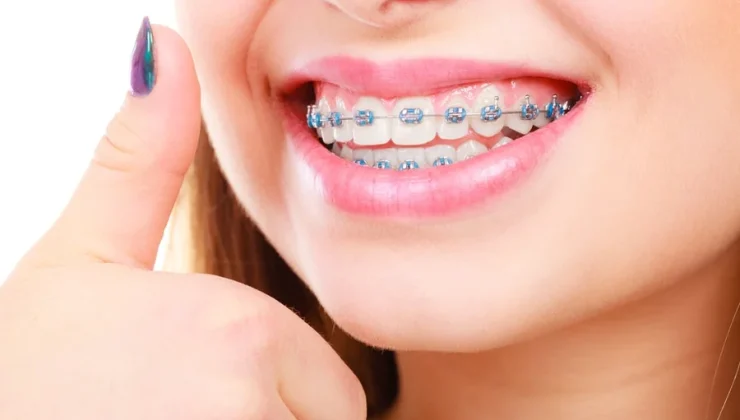
You commit time, money, and trust to straighten your teeth. You deserve clear proof that your orthodontic treatment is working. This blog shows you four simple signs that your braces or aligners are on track. You see how your bite changes. You feel how your mouth rests. You notice how your daily life shifts. These signs help you spot progress early. They also help you catch problems before they grow. If you use Invisalign in Bellevue, WA or wear metal braces, the same rules apply. You do not need special tools or training. You only need honest attention to your body and your routine. When you know what to watch for, you feel less doubt and stress. You can ask sharper questions at each visit. You can protect your results and avoid delays.
Sign 1: Your Teeth Are Moving In A Steady, Planned Way
The first sign is simple. Your teeth look different after a few weeks or months. They shift slowly, not in sudden jumps. You can check this in three ways.
- Photos. Take a clear photo of your smile every month.
- Mirror checks. Look at the front and sides of your teeth.
- Fit of aligners or wires. Notice how your trays or wires sit.
Your orthodontist gave you a plan at the start. The movement you see should match that plan. Crowded teeth start to line up. Large gaps start to shrink. A deep overbite starts to lessen.
If you wear clear aligners, each new tray should feel snug on day one. It should feel more relaxed after a few days. If a tray never feels right or always feels loose, your teeth might not match the plan.
The National Institute of Dental and Craniofacial Research explains that tooth movement happens when steady pressure reshapes bone around the roots.
Sign 2: Your Bite Is Getting More Comfortable
The second sign is how your teeth meet when you close your mouth. A healthy bite spreads pressure across many teeth. It does not pound one tooth or one side.
You can test your bite at home.
- Gently close your teeth without clenching.
- Notice which teeth touch first.
- Chew a soft food like bread or a banana.
Over time, you should notice three changes.
- Your front teeth and back teeth start to share the work.
- Your jaw does not slide as much to find a spot that feels normal.
- Chewing feels smoother and less noisy.
You might still feel pressure when braces are tightened or when you start a new aligner. That is expected. The concern is pain that makes chewing or speaking hard and does not fade after a few days. That can signal too much pressure on some teeth or a bite that is moving in the wrong way.
Sign 3: Your Mouth Feels Healthier, Not Worn Out
The third sign is how your mouth and jaw feel throughout the day and at night. Orthodontic care should support a calmer mouth over time. It should not leave you drained.
Watch for three key changes.
- Less jaw clenching or grinding.
- Less cheek or tongue biting.
- Less strain when you speak or smile.
If you wake with tight jaw muscles, frequent headaches, or sore teeth that you did not have before treatment, bring that up. Some strains can show that teeth are moving. Ongoing pain can show that your bite or jaw joints are under stress.
The Centers for Disease Control and Prevention notes that crowded or uneven teeth can make cleaning hard and raise your risk for gum disease. As your teeth line up, brushing and flossing should feel easier.
Sign 4: You Can Follow The Plan Without Constant Setbacks
The fourth sign is about your daily routine. A good treatment plan fits into your life. It may feel strict at first. It should not feel impossible.
Ask yourself three questions.
- Can you wear your aligners or elastics for the hours your orthodontist asked for
- Can you keep up with cleaning without constant bleeding or pain
- Are you able to get to visits on the planned schedule
Setbacks happen. You might lose a tray or break a bracket. What matters is the pattern. If you have many emergencies, repeated broken parts, or frequent changes to the plan, your progress can slow down. Your team should help you adjust so the plan still works for you and your family.
Simple Progress Check Table
You can use this table as a quick check during treatment. Print it or save it on your phone. Mark what you notice each month and bring your notes to visits.
| Sign | Healthy Progress | Reason To Call Your Orthodontist
|
|---|---|---|
| Tooth movement | Slow, steady change every few weeks | No change for months or sudden big shifts |
| Bite comfort | Chewing feels smoother over time | Ongoing pain or one tooth taking all the pressure |
| Mouth and jaw feel | Less clenching and fewer cheek bites | New headaches, jaw locking, or sharp tooth pain |
| Daily routine | You follow wear and cleaning steps most days | Frequent broken parts or missed wear time |
When To Speak Up And What To Ask
You are not expected to judge your own treatment. Your job is to notice changes and speak up. Contact your orthodontic office if you see these warning signs.
- Severe pain that lasts more than a few days.
- Loose or broken wires, brackets, or aligners.
- Gums that bleed a lot or swell.
- Teeth that look more crooked after several months.
At your visits, use clear questions.
- What change should I expect before the next visit
- Can you show me where my teeth started and where they are now
- Is my wear time or cleaning routine strong enough
Your orthodontic team wants your treatment to stay on track. Your close attention and honest questions help keep your teeth, gums, and jaw safe while you work toward a stable, lasting smile.