
Cardboard Compactors and Balers: Smarter Waste Management For Modern Businesses
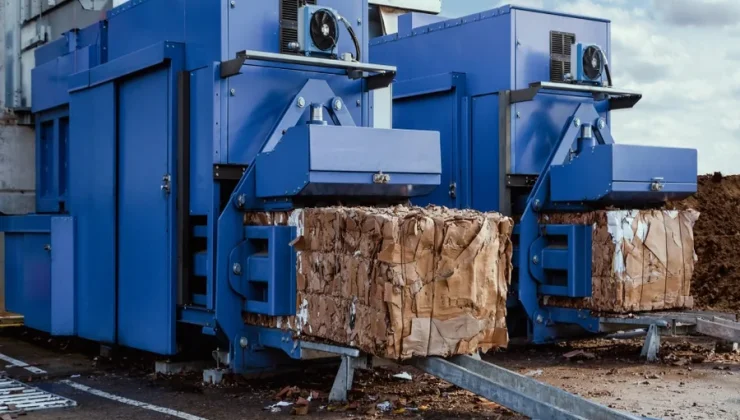
Cardboard waste is a reality for most B2B operations. Warehouses, manufacturers, distribution centers, retailers, and logistics companies all generate large volumes of corrugated cardboard every day. Left unmanaged, this waste quickly becomes a space, safety, and cost problem. That’s where cardboard compactors and balers come in.
While often grouped together, compactors and balers like: https://www.miltek.co.uk/balers-and-compactors/cardboard-balers/ serve slightly different purposes. Understanding how each works—and where they add value—can help businesses reduce operational costs, improve efficiency, and support sustainability goals.
What Is a Cardboard Compactor?
A cardboard compactor compresses loose cardboard into a dense mass inside a sealed container. Once full, the container is hauled away for recycling or disposal. Compactors like the ones at https://www.miltek.co.uk/balers-and-compactors/cardboard-balers/ are ideal for businesses producing high volumes of cardboard on a continuous basis.
Key benefits of cardboard compactors include:
- Reduced waste volume: Compaction can reduce cardboard volume by up to 80%, cutting down on frequent pickups.
- Lower hauling costs: Fewer collections mean reduced transportation and disposal fees.
- Improved safety and cleanliness: Eliminating loose cardboard reduces trip hazards, pests, and fire risks.
- Labor efficiency: Staff spend less time breaking down boxes and managing waste overflow.
Compactors are commonly used in large distribution centers, manufacturing plants, and facilities with limited dock space.
What Is a Cardboard Baler?
A cardboard baler compresses cardboard into tightly bound, stackable bales using wire or strapping. These bales can then be stored on-site and sold or sent directly to recycling facilities.
Balers are especially valuable for businesses that want to:
- Generate recycling revenue: Clean, well-formed bales are often accepted by recyclers at higher rates.
- Maintain control over waste streams: Baled cardboard is easier to track, store, and transport.
- Support sustainability initiatives: Recycling baled cardboard helps meet corporate environmental goals and ESG targets.
Vertical balers are well suited for small to mid-sized operations, while horizontal balers are designed for high-volume, automated environments.
Compactor vs. Baler: Which Is Right for Your Business?
Choosing between a compactor and a baler depends on several operational factors:
- Cardboard volume: High, steady volumes may favor compactors; lower or recyclable-focused volumes often suit balers.
- Available space: Balers typically require more floor space for storage.
- Labor availability: Automated systems reduce manual handling.
- Recycling goals: Businesses aiming to monetize waste often prefer balers.
In some cases, larger facilities use both—balers for clean cardboard and compactors for mixed waste.
The Bigger Business Impact
Beyond waste reduction, cardboard compactors and balers deliver measurable business value. They streamline operations, reduce overhead, improve workplace safety, and demonstrate environmental responsibility to customers and partners. In competitive B2B environments, these operational efficiencies add up quickly.
As sustainability regulations tighten and waste costs rise, investing in the right cardboard handling solution isn’t just about waste, it’s about running a smarter, more resilient operation. By investing in the right compaction or baling solution, businesses can turn cardboard waste into an operational advantage–driving costs, improving efficiency, and supporting sustainability goals while keeping facilities cleaner, safer, and better prepared for long-term growth.