
Best time to visit Monterrey Mexico: pick your season, then plan like a local
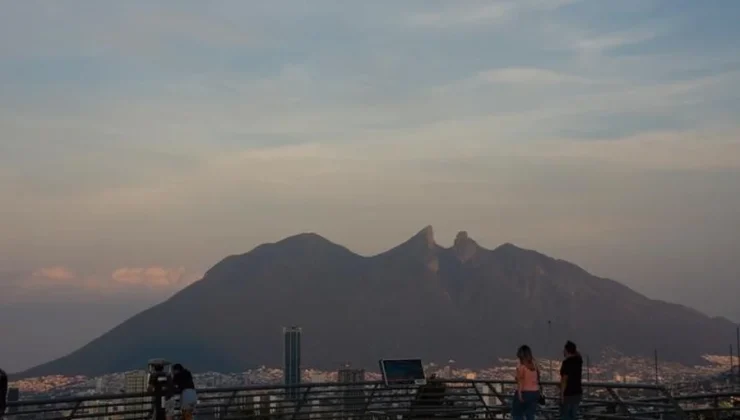
Deciding the best time to visit Monterrey Mexico comes down to what you want most—comfortable temperatures for exploring, a calendar packed with festivals, or a trip that keeps costs low. This northern city sits against the Sierra Madre Oriental, and its weather swings more than many first-time visitors expect, especially in summer.
Because Monterrey is a major business hub, there are frequent connections from the U.S., so you can often find airline tickets to Monterrey year-round if your dates are flexible. What changes by season is how the city feels: winter is crisp and dry, spring is outdoor-friendly, summer is hot but event-heavy, and fall is an underrated sweet spot.
Below, you’ll find a practical way to choose dates—based on temperature, crowds, and the kind of trip you want.
Weather patterns that shape your trip
Monterrey has a dry, sunny baseline for much of the year, but the comfort level varies a lot by month. Winters are mild during the day and cooler at night, which makes walking-heavy sightseeing easy. Spring warms up quickly, and by summer, high temperatures and humidity can change how you plan your days.
If you like to plan with specifics, Monterrey weather by month is fairly predictable: January is typically the coolest stretch, while late summer—especially August—tends to be the hottest. That doesn’t mean summer is “bad,” but it does mean you’ll want to schedule outdoor activities for mornings and save museums, malls, and long lunches for peak afternoon heat.
How to build a day around the heat
- Plan hikes, viewpoints, and long walks before noon
- Use air-conditioned stops (museums, cafés, shopping centers) as midday breaks
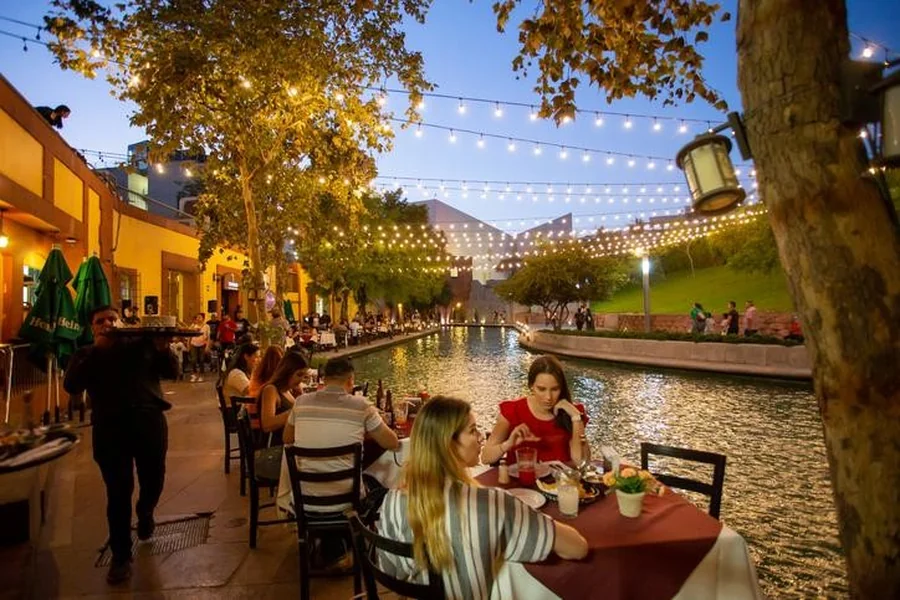
- Keep evenings open for outdoor dining and plazas, when it cools down.
When the city gets busiest
Monterrey’s tourism spikes around big music and cultural events, plus school-break travel. If you love a high-energy vibe, these periods can be a blast—but they also bring higher hotel rates and more competition for reservations.
The peak season in Monterrey for tourism often overlaps with spring break weeks and major festivals that transform Parque Fundidora into an event destination. Tecate Pa’l Norte, for example, draws crowds from across Mexico and beyond, and hotels near the venue can sell out well in advance. If your priority is the event itself, book early and plan your transportation around festival traffic.
Budget windows: when prices tend to ease
If your goal is value, you’ll want months when demand drops but the city still feels enjoyable. Late summer into early fall can be quieter as school schedules resume, and winter (outside the most travel-heavy holiday days) can also be surprisingly affordable.
Travelers often see the cheapest months to travel to Monterrey around September, December, and January, when hotel pricing tends to soften compared with spring break and headline festival weekends. You may still get warm days depending on the month, but you’ll usually have more choice in neighborhoods and property types—especially if you’re flexible on exact dates.
Small booking choices that can save real money
- Travel midweek instead of Friday–Sunday when possible
- Price out packages (flight + hotel) to see if bundling reduces the total
- Book lodging earlier for popular weekends, then re-check rates closer in.
Spring vs. fall: two strong choices with different vibes
Spring (roughly March to May) is popular because it balances warm days with manageable evenings. It’s a great season for parks, outdoor dining, and mountain views without the intensity of peak summer heat. The tradeoff is that some spring weeks are crowded, especially around school breaks.
Fall (roughly October to November) is often calmer while still comfortable. After summer’s strongest heat fades, the city becomes easier to explore on foot again, and you can spend full afternoons in places like Parque Fundidora, Barrio Antiguo, and the Macroplaza without feeling drained. If you want good weather and fewer crowds, fall is a quiet win.
Winter travel: mild days, cool nights, and outdoor comfort
Winter in Monterrey is one of the easiest seasons for active itineraries. Daytime temperatures are generally comfortable for walking and sightseeing, and the dry air keeps things pleasant even when you’re outside for hours.
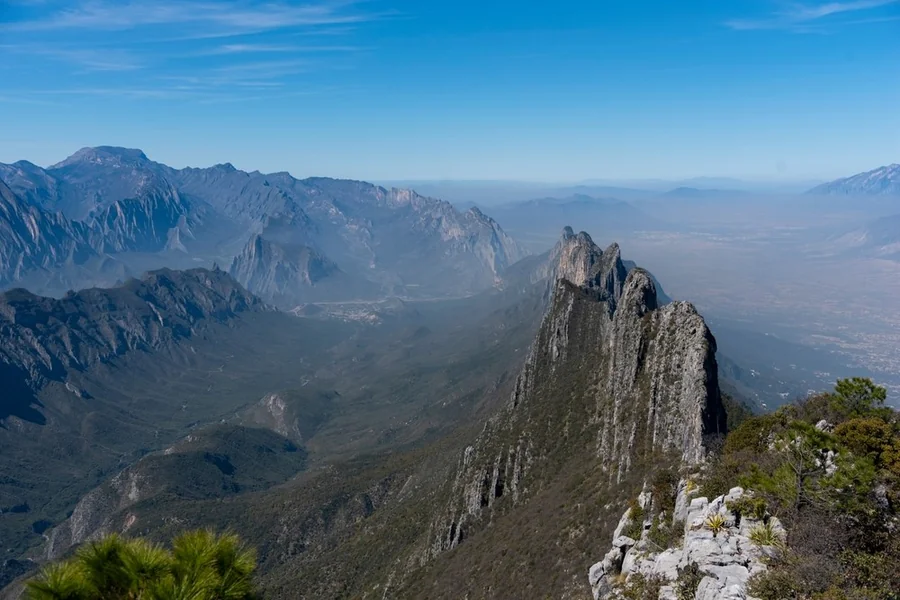
This is also a great season for viewpoints and nature, since trails can feel more comfortable than they do in warmer months. A Monterrey climate guide for travelers will usually point out that evenings can cool down noticeably, so packing a light jacket is smart—especially if you plan to be out late in rooftop bars or outdoor patios.
Summer travel: intense heat, big cultural payoff
Summer can be hot—sometimes very hot—especially in late July and August. If you don’t handle heat well, you may find it challenging to do long outdoor days without breaks.
Still, summer has a strong cultural calendar, and Monterrey’s modern infrastructure makes it easier to move between air-conditioned spaces. Many locals shift their routine: afternoons become museum time, shopping-center time, or long-meal time, while evenings open up for concerts, night markets, and outdoor hangouts once temperatures ease.
So what’s the best time to go?
For many travelers, late winter through spring—especially February through April—hits the best balance of mild weather, lower rainfall, and an easy pace for outdoor plans. You can explore the city, take day trips, and enjoy patios without needing to hide from the heat.
That said, the best time to visit Monterrey Mexico is ultimately the season that matches your priorities: spring for comfort and energy, fall for balanced weather and calmer streets, winter for outdoor-friendly days, or summer for festivals and cultural programming if you’re okay planning around the heat.