
Who Over-the-Counter Hearing Aids Are Best Suited For
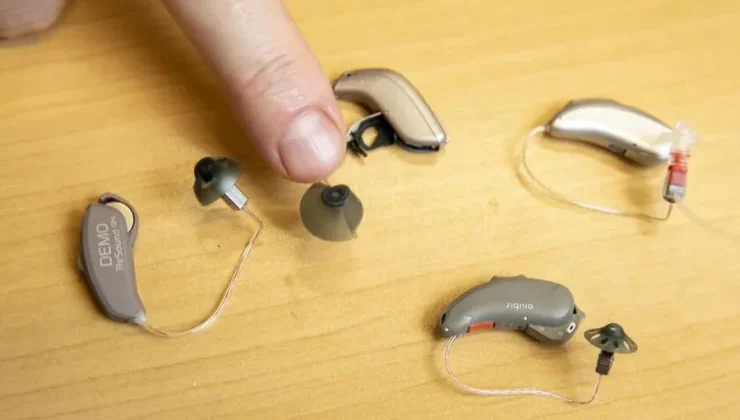
Hearing loss affects people in different ways, and not everyone requires the same level of support or intervention. In recent years, new hearing solutions have emerged that offer greater accessibility and affordability, giving consumers more choice than ever before. Among these options, over the counter hearing aids have gained attention as an alternative to traditional prescription devices, particularly for individuals with specific hearing needs and preferences.
Over-the-counter hearing aids are designed primarily for adults with perceived mild to moderate hearing loss. They are not intended for children or for people with severe or profound hearing impairment. Individuals who notice difficulty hearing conversations, understanding speech in noisy environments, or following dialogue on television may find OTC devices helpful, especially if their hearing challenges are relatively recent or gradual.
Who OTC Hearing Aids Are Best Suited For
These devices are well suited for people who value convenience and independence. OTC hearing aids can be purchased directly without a medical exam, hearing test, or prescription. This makes them appealing to individuals who may be hesitant to visit an audiologist or who want to explore hearing assistance on their own terms. For many, the ability to self-select and adjust a device provides a sense of control and reduces barriers to taking the first step toward better hearing.
Cost-conscious consumers may also benefit from over-the-counter hearing aids. Traditional prescription hearing aids can be expensive due to professional services, custom fitting, and bundled care. OTC options typically cost less upfront, making them more accessible for those on fixed incomes or for individuals who are not ready to invest in higher-priced solutions. This affordability can encourage earlier intervention, which is often beneficial for long-term hearing health.
Tech-savvy users are another group that may find OTC hearing aids appealing. Many of these devices rely on smartphone apps for setup, sound adjustment, and ongoing fine-tuning. Users who are comfortable with digital tools can customise their listening experience to suit different environments without professional assistance. This flexibility can be empowering for those who enjoy managing their own technology.
Limitations and When Professional Care Is Needed
However, OTC hearing aids may not be suitable for everyone. Individuals with complex hearing loss, asymmetrical hearing issues, tinnitus requiring specialised care, or underlying medical conditions affecting hearing should seek professional evaluation. OTC devices do not provide diagnostic services, and incorrect use may delay necessary treatment for certain conditions.
People who prefer minimal maintenance and support should also consider their comfort level. While OTC hearing aids offer convenience, they require users to manage fitting, adjustments, and troubleshooting independently. Those who prefer ongoing guidance, personalised programming, and in-person support may find traditional hearing care more appropriate.
Making an Informed Hearing Care Choice
In summary, over-the-counter hearing aids are best suited for adults with mild to moderate hearing loss who value affordability, convenience, and independence. When chosen thoughtfully and used appropriately, they can serve as an effective entry point into hearing care and help individuals improve daily communication and quality of life.