
Discover the Best Top Korean Skincare Brands for Radiant Skin
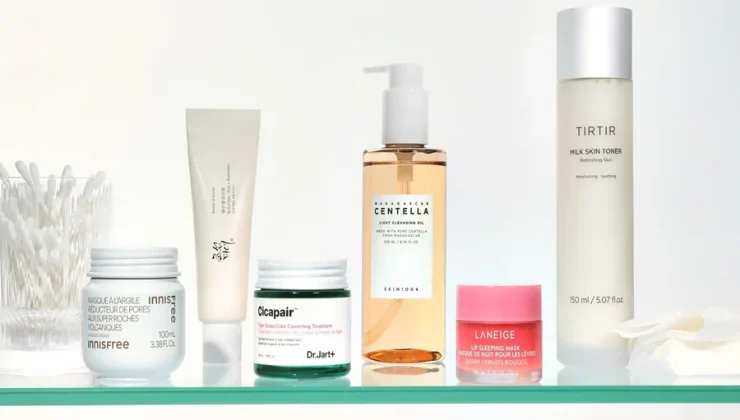
In the competitive landscape of the global beauty market, few sectors have displayed the staying power or cultural dominance of South Korean skincare. What began as a niche trend in the early 2010s, often dismissed by Western skeptics as a passing fad of the “Hallyu” or Korean Wave, has evolved into a 13.24 billion dollar powerhouse by early 2026. This movement is no longer just about 10-step routines or colorful packaging. Instead, it represents a profound shift in how the world perceives health, aging, and the daily ritual of self-care.
The Cultural Roots: Skincare as a Moral Compass
To understand the global obsession with K-beauty, one must look past the neon-lit storefronts of Seoul’s Myeong-dong district and into the country’s Confucian history. In the Joseon Dynasty, which spanned from 1392 to 1897, outward appearance was considered a direct reflection of one’s inner state. A clear and luminous complexion was not merely a sign of wealth; it was a mark of discipline, purity, and respect for the body.
Historically, Korean families utilized Hanbang, which is traditional herbal medicine, to treat the skin. This ancient wisdom emphasized ingredients like ginseng for vitality, rice water for brightening, and mugwort for soothing inflammation. Today, these heritage botanicals remain the backbone of the industry, even as they are paired with cutting-edge fermentation technology and molecular science. The transition from home-brewed remedies to lab-stabilized serums has allowed these traditional secrets to reach a global audience.
The Ingredient Revolution: Science Meets Nature
The hallmark of Korean skincare is its fearless approach to innovation. While Western brands often focus on corrective actives like high-percentage retinols or harsh acids, the Korean philosophy prioritizes preventative nourishment. This has led to the mainstreaming of once-exotic ingredients that have fundamentally changed the global cosmetic landscape.
Snail mucin, once a viral curiosity, is now a dermatological staple. Known formally as snail secretion filtrate, it is rich in allantoin, glycolic acid, and glycoproteins. It is clinically recognized for its ability to accelerate wound healing and repair the skin barrier. Similarly, Galactomyces Ferment, a byproduct of the sake fermentation process, became legendary for its ability to shrink pores and even out skin tone.
As we move into 2026, the industry is entering a regenerative phase. PDRN, or Polydeoxyribonucleotide, is the latest breakthrough. Derived from salmon DNA, it is used in both topical serums and professional skin booster injections to stimulate cellular repair at a foundational level. These developments prove that K-beauty is as much about biotechnology as it is about botanical tradition.
The Evolution of the Routine: From 10 Steps to Intelligent Skinimalism
For years, the 10-step routine was the defining image of K-beauty. It was a meticulous sequence involving an oil cleanser, water-based cleanser, exfoliant, toner, essence, serum, sheet mask, eye cream, moisturizer, and sun protection. While this layered approach successfully introduced the world to the concept of hydration-first skincare, the year 2026 has seen the rise of “Intelligent Skinimalism.”
Modern consumers have moved away from the exhaustive 10-step ritual in favor of high-performance, multifunctional products. Today’s sophisticated formulas often combine an essence, serum, and light moisturizer into a single milk toner or pressed serum. These hybrid products deliver the same nutrient density without the time-consuming labor. This evolution reflects a growing global demand for sustainability because fewer bottles mean a smaller carbon footprint and less plastic waste.
Titans of the Industry: The Brands Shaping the Future
The global marketplace is currently dominated by a mix of heritage conglomerates and agile indie disruptors. These organizations have mastered the art of “fast beauty,” bringing products from the laboratory to the shelf in record time.
The Established Giants
Amorepacific and LG Household & Health Care remain the twin suns around which the K-beauty solar system revolves. Brands like Sulwhasoo represent the pinnacle of luxury by utilizing high-concentration ginseng science to target skin longevity. On the more accessible end, COSRX has earned cult status globally for its clinical approach to sensitive skin, particularly with its Advanced Snail 96 Mucin Power Essence. Innisfree, leveraging the volcanic minerals of Jeju Island, continues to lead the way in eco-conscious mass-market skincare.
The Indie Vanguard
The most exciting growth is occurring in the indie sector. Brands like Beauty of Joseon have achieved meteoric success by reinterpreting ancient recipes for a modern audience, emphasizing transparency and minimalist design. Meanwhile, KraveBeauty has pioneered the “Slow Down” movement. This brand encourages consumers to stop over-sensitizing their skin with too many actives and instead focus on basic barrier health. These indie brands often build deep communities through social media, allowing them to iterate on products based on direct user feedback.
The “Glass Skin” Aspiration: A Holistic View
The ultimate goal of many Korean routines is “Glass Skin,” which refers to a complexion so hydrated and smooth that it appears translucent. However, the 2026 discourse has shifted toward “Skin Longevity” rather than “Anti-Aging.” The industry is moving away from the rigid beauty standards of the past and toward a more inclusive, biology-informed approach.
As the global market expands into new territories like Poland, Brazil, and the United Arab Emirates, the focus is increasingly on microbiome-friendly formulations. By 2026, we are seeing products designed to support the skin’s natural bacterial ecosystem rather than stripping it away with harsh detergents. This shift recognizes that skin health is an ecological balance rather than a surface-level aesthetic.
Navigating the Market: Luxury vs. Accessibility
One of the most remarkable aspects of the Korean beauty ecosystem is its price-performance ratio. Unlike the Western market, where high-quality ingredients are often locked behind a luxury paywall, many of the top korean skincare brands offer professional-grade formulations at drugstore prices. This democratized access to quality skincare is a primary driver of South Korea’s export success.
The market is generally segmented into four distinct areas based on consumer needs and price points. In the luxury sector, brands like Sulwhasoo lead the way with their focus on advanced ginseng research and traditional Hanbang science. For those seeking clinical or indie solutions, COSRX provides targeted treatments for acne and sensitivity at a mid-range price.
The heritage-meets-modern category is currently dominated by Beauty of Joseon, which pairs traditional ingredients with sophisticated, modern textures. Finally, for the budget-conscious consumer, eco-accessible brands such as The Face Shop offer affordable, nature-inspired daily care. South Korea has recently surpassed other major players to become the world’s second-largest cosmetics exporter. This growth is fueled by the fact that even budget-friendly products often contain sophisticated fermentation extracts that would cost five times as much in a European boutique.
Seasonal Adaptability: The Korean Skin Wardrobe
Just as we change our clothing with the weather, K-beauty encourages a “skin wardrobe” approach. In the humid summers, the focus shifts to “Cloud Skin,” which is a soft-matte finish achieved through light gel-creams and sebum-regulating toners. In the harsh winters, the routine pivots to heavy ceramide-based barrier creams to prevent trans-epidermal water loss.
This adaptability is a key lesson for the global consumer. Rather than sticking to a static routine year-round, the Korean approach teaches one to listen to the skin’s changing needs. These needs are often influenced by the environment, seasonal shifts, or personal stress levels. By treating skincare as a flexible response to life’s conditions, users can maintain a more consistent glow.
Addressing Specific Concerns with Precision
K-beauty is renowned for its ability to target specific skin issues without causing secondary irritation. For instance, hyperpigmentation is often treated with niacinamide or licorice root extract rather than aggressive bleaching agents. These ingredients brighten the skin gently over time, respecting the integrity of the epidermis.
For those struggling with acne, the focus is on “calming” rather than “killing” bacteria. Ingredients like Centella Asiatica, often called Cica, are used to reduce redness and speed up the healing of blemishes. This empathetic approach to skin concerns has made top korean skincare brands particularly popular among people with reactive or compromised skin types who find Western products too intense.
Avoiding the Pitfalls: When More is Not Better
Despite the benefits, the K-beauty journey is not without its traps. The most common mistake among Western newcomers is over-exfoliation. In an attempt to achieve instant results, many combine multiple chemical exfoliants with physical scrubs, which leads to a compromised skin barrier and chronic inflammation.
The modern consensus is clear: the focus is now on barrier repair above all else. Ingredients like Ceramides and Heartleaf are the heroes of 2026. These are designed to soothe the skin rather than stimulate it. Additionally, skipping sunscreen is considered the ultimate failure in a Korean routine. Since many K-beauty products use ingredients that reveal fresh skin, protection from UV rays is non-negotiable to prevent premature aging and sun spots.
Building Your Own Routine
Starting a K-beauty journey does not require buying a dozen products at once. Experts recommend beginning with the “Double Cleanse” method, which involves an oil-based cleanser followed by a water-based one. This ensures that all oil-based impurities, such as sunscreen and makeup, are fully removed before the treatment steps begin.
From there, one can add a hydrating toner and a single targeted serum. The goal is to build a foundation of hydration. Once the skin is properly hydrated, it becomes more resilient and better able to absorb active ingredients. This methodical buildup allows the user to identify exactly which products are working and which might be causing sensitivity.
A Global Legacy
As we look toward the future, the influence of South Korea on the global beauty stage shows no signs of waning. By merging ancient cultural respect for the skin with rapid-fire technological advancement, Korea has taught the world that skincare is not a chore to be completed but a ritual of health and self-respect.
The K-beauty movement has outlived the label of a trend. It has become a fundamental philosophy of care that values hydration over abrasion and prevention over correction. It is built on the belief that everyone, regardless of their budget, deserves the tools to achieve their most radiant self. As the top korean skincare brands continue to refine their craft and explore new botanical frontiers, the world watches with anticipation, ready to discover the next innovation that will redefine the meaning of a healthy glow.
Through its commitment to research, its respect for tradition, and its focus on the consumer experience, South Korea has secured its place as the undisputed leader of the modern skincare world. The journey toward radiant skin is no longer a secret held by a few, but a global conversation that continues to evolve every day.