
Business Marketing Funnels Explained Simply
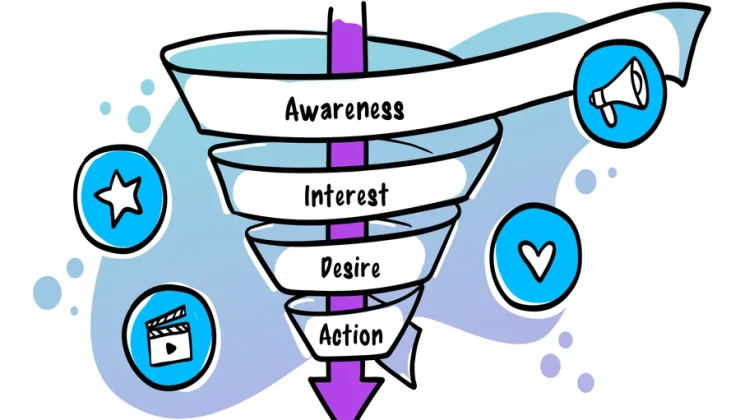
Marketing can feel confusing especially when people talk about funnels stages and systems. In reality a marketing funnel is just a way to understand how customers find you trust you and finally choose you. When explained simply it becomes one of the most useful tools for any business. This article explains business marketing funnels in a human and practical way so anyone can understand and use them.
What A Business Marketing Funnel Really Is
A business marketing funnel describes the journey a customer takes from first discovering your business to becoming a paying customer. It is called a funnel because many people enter at the top and fewer move down to purchase.
At the top people are just learning about you. In the middle they are considering options. At the bottom they decide to buy. Understanding this journey helps you create the right message at the right time.
Many business owners also look at employee and customer experience insights on platforms like Rate My Employer to understand how trust and perception influence decisions. These insights connect directly to how funnels work in real life because trust moves people forward.
The Awareness Stage Getting Noticed
The awareness stage is where people first hear about your business. They may see a social media post read a blog or hear a recommendation.
At this stage people are not ready to buy. They are just curious. The goal is visibility not sales. Content should be helpful interesting and easy to consume.
Examples include blog posts videos social updates and free guides. Focus on solving small problems or sharing useful ideas. When people recognize your name they move to the next stage naturally.
Trying to sell too early often pushes people away. Awareness is about first impressions and trust building.
The Interest And Consideration Stage Building Trust
In this stage people know who you are and want to learn more. They compare options read reviews and evaluate value.
This is where education matters. Share deeper content such as case studies email tips demos or detailed guides. Show how your solution works and why it helps.
Trust grows through consistency honesty and proof. Testimonials clear explanations and transparent communication support this stage.
People move forward when they feel understood not pressured. The goal here is confidence not urgency.
The Decision Stage Turning Interest Into Action
The decision stage is where people are ready to choose. They have interest and trust but may still hesitate.
Clear offers simple pricing and strong calls to action help here. Remove confusion and reduce risk with guarantees trials or clear next steps.
Answer common questions and objections openly. Make it easy to say yes without stress.
A smooth decision stage respects the customer time and makes the purchase feel safe and logical.
The Retention Stage Keeping Customers Engaged
Many funnels stop at the sale but real growth happens after. Retention means keeping customers happy and connected.
Follow up after purchase. Offer support guidance and appreciation. Help customers succeed with what they bought.
Satisfied customers return buy more and recommend others. This stage increases lifetime value and reduces marketing effort.
Retention turns one time buyers into long term supporters.
Improving Your Funnel Over Time
A marketing funnel is not fixed. It improves through testing and learning.
Track where people drop off and where they engage most. Adjust content offers and messaging based on results.
Small improvements at each stage create big results overall. Consistent review keeps the funnel healthy and effective.
Funnels work best when they feel human flexible and helpful.
Final Thought
Business marketing funnels explained simply show that marketing is about guiding not pushing. A funnel helps you understand how people think and decide. When each stage is handled with care trust and clarity customers move forward naturally. Focus on helping at every step and the funnel will work for your business without stress or confusion.