
4 Steps In The Journey From Consultation To Braces
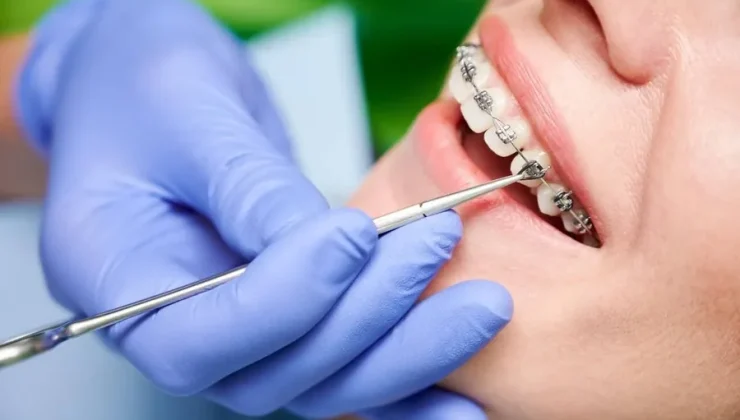
You are thinking about braces and you want clear answers. This guide walks you through four simple steps, from your first visit to the day your braces go on. You will see what happens, who you meet, and what you sign. You will know what to expect with X‑rays, photos, and payment. You will also learn how your care plan is built for your mouth, not anyone else. If you are looking for an orthodontic office in Carmel Indiana, this guide helps you feel ready before you walk in. Fear grows in the dark. Clear steps can calm that fear. You deserve straight talk about time, cost, and results. You also deserve respect for your schedule, your budget, and your worries. By the end, you can decide if braces are right for you and feel steady about your next move.
Step 1: Your First Consultation
The first visit sets the tone. You share your story. The team listens. You talk about what bothers you when you bite, chew, or smile. You can bring questions and photos.
The orthodontist checks:
- How your teeth fit together when you bite
- How your jaws line up
- Any crowding, gaps, or twisting
You may hear new words, yet you can ask for plain language. You stay in control of your choices. No one should rush you.
For more background on why straight teeth support health, you can read the National Institute of Dental and Craniofacial Research page on bite problems. It shows how tooth and jaw issues can affect chewing and cleaning.
Step 2: Records, X‑rays, And Photos
The next step gathers facts. The team needs a clear view of your teeth and jaws. This record visit often includes three parts.
- X‑rays. These show roots, jawbone, and teeth that have not come in yet.
- Photos. These show your smile from the front and side. They also show how your teeth meet.
- Digital scan or molds. These create a model of your teeth for planning.
The American Dental Association gives more detail on dental X‑rays and safety on its X‑ray information page. You can review it before your visit if you feel tense about radiation.
You can ask three key questions during this step.
- What are you looking for on these X‑rays
- How will these photos guide my plan
- Will you share the images with me and explain them
Clear answers help you feel less exposed and more prepared.
Step 3: Your Treatment Plan And Choices
Next comes the plan. The orthodontist studies your records and builds a path to a safer bite and cleaner teeth. You do not get a one-size-fits-all plan. You get a path for your mouth, your age, and your health.
You talk about three main topics.
- Goals. What you want your smile and bite to look and feel like.
- Options. Types of braces or aligners that could work for you.
- Timeline. How long treatment may take and how often you will visit.
Here is a simple comparison table that many families find useful as they think through choices. This is only a guide. Your plan may look different.
| Option | Common Use | Typical Treatment Length | Clinic Visits | Care Needs
|
|---|---|---|---|---|
| Metal braces | Most bite and crowding problems | 18 to 30 months | Every 4 to 8 weeks | Careful brushing and flossing around brackets |
| Ceramic braces | Front teeth focus with a less visible look | Similar to metal braces | Every 4 to 8 weeks | Extra cleaning to control staining |
| Clear aligners | Mild to moderate spacing or crowding | 6 to 24 months | Every 6 to 10 weeks | Wear trays 20 to 22 hours per day |
The orthodontist also reviews money questions. You see the total fee. You hear what insurance may cover. You see payment plans and due dates. You should leave this visit with all numbers in writing.
Three smart questions to ask at this stage include:
- What happens if treatment takes longer than planned
- Are broken brackets or lost aligners covered
- What is included in the fee after braces come off
Each answer protects you from surprise costs and confusion.
Step 4: Getting Your Braces Put On
The day your braces go on can stir mixed feelings. You may feel ready. You may feel tense. Both feelings are normal. The team has guided many patients through this step and knows how to keep you steady.
The visit often follows three stages.
- Cleaning and prep. The team cleans and dries your teeth. Your lips and cheeks stay out of the way with a small holder.
- Bonding the brackets. The orthodontist places small brackets on each tooth with a safe glue. A light hardens the glue.
- Placing the wire. A thin wire threads through the brackets. Small bands hold the wire in place.
You may feel pressure. You should not feel sharp pain. The first few days after this visit can bring soreness when you bite. Soft foods help. Over-the-counter pain medicine may also help if your medical doctor says it is safe for you.
Before you leave, you learn how to care for your braces.
- How to brush along the gumline and around brackets
- How to use floss threaders or small brushes
- Which foods to avoid to prevent broken parts
You also get a schedule for checkups. These visits let the orthodontist adjust the wire and track your progress.
Staying Steady Through Your Braces Journey
Braces ask for patience, yet they also give clear rewards. You gain a safer bite that can protect your teeth from wear. You gain a smile that you can show without tension or shame.
To stay steady, focus on three habits.
- Keep every visit so the plan stays on track.
- Clean your teeth with care twice each day.
- Call the office quickly if something hurts or breaks.
You do not have to walk this path alone. A trusted orthodontic team can guide you from the first question to last adjustment. With clear steps and honest talk, you can move through each stage with less fear and more control.