
How Minimally Invasive Techniques Are Transforming Oral Surgery
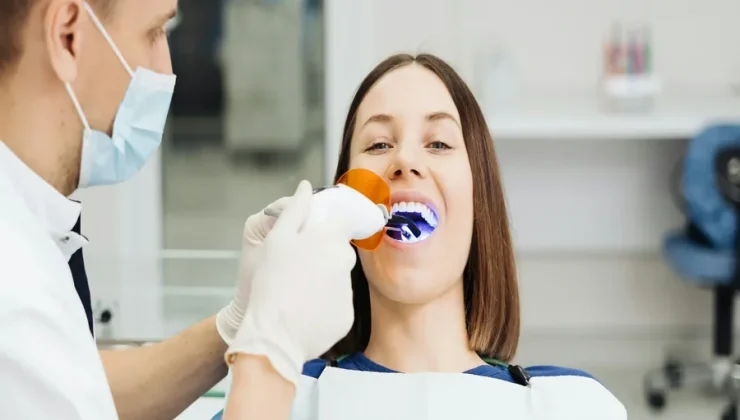
Oral surgery used to mean long cuts, swelling, and days of pain. Today, that story is changing fast. New minimally invasive techniques use smaller openings, precise tools, and careful planning. As a result, you may feel less pain, heal more quickly, and return to your life sooner. Many patients now leave the chair with relief instead of fear. Surprise prosthodontist when you ask about options that protect more bone and gum, use fewer stitches, and reduce bleeding. These methods can help with wisdom teeth, implants, and jaw corrections. They often rely on 3D imaging, guided surgery, and tiny instruments. Each step aims to protect healthy tissue and lower risk. You still need a skilled surgeon and a clear plan. Yet you now have more control, more comfort, and more hope when surgery becomes necessary.
What “Minimally Invasive” Really Means For You
Minimally invasive oral surgery focuses on three things. The cuts are smaller. The work is more precise. The trauma to the bone and gum is lower.
You still get the same result. A tooth comes out. An implant goes in. A jaw moves into a new position. However, the path to that result changes. That path uses planning and imaging instead of wide cuts and long stitches.
This approach can help you if you fear pain, time off work, or caring for a child or older parent. It can also help if you have health problems that slow healing.
Common Minimally Invasive Oral Surgery Techniques
Surgeons now use a set of techniques that work together. You may see these listed on a treatment plan.
- 3D imaging. Cone beam CT scans give a three-dimensional view of teeth, bone, and nerves.
- Guided surgery. A custom guide rests on your teeth or jaw and shows the exact spot and depth for tools.
- Smaller access points. The surgeon makes a tiny opening that reaches only the needed spot.
- Tissue preserving tools. Special drills, piezo tools, and fine tips remove less bone and gum.
- Stitch saving methods. In some cases, you may need only one stitch or none.
Each method aims at the same goal. You walk out with less swelling, less bleeding, and fewer surprises at home.
How This Changes Wisdom Tooth Removal
Wisdom teeth once meant cutting wide flaps and removing large parts of bone. You may remember stories of bruised faces and long weeks in bed.
Now many surgeons:
- Use 3D scans to see root shape and nerve position
- Remove small parts of the tooth in pieces instead of one big pull
- Protect bone walls so the jaw stays stronger
As a result, many patients use fewer pain pills, eat soft foods sooner, and return to school or work faster. The Centers for Disease Control and Prevention shares guidance on safe pain control at the CDC dental pain page.
Dental Implants With Less Trauma
Dental implants are one of the clearest examples of this shift. In the past, the gum was opened wide and the bone laid bare. The implant site was then shaped by hand.
Today, many implant surgeries can be performed through a small opening. The surgeon may use a guide that fits over your teeth. That guide tells the drill where to start and when to stop.
This can mean:
- Less cutting of the gum
- More bone left in place
- Shorter time in the chair
Sometimes a temporary tooth can be placed on the same day. That can help you talk and smile with less worry while the implant heals under the surface.
Comparing Traditional And Minimally Invasive Oral Surgery
| Aspect | Traditional oral surgery | Minimally invasive oral surgery
|
|---|---|---|
| Size of cuts | Larger cuts across gum | Smaller, focused openings |
| Bone removal | More bone removed to gain access | Bone preserved whenever possible |
| Stitches | Many stitches, longer lines | Few stitches or none |
| Swelling | Higher swelling risk | Often reduced swelling |
| Bleeding | More bleeding during and after | Less bleeding in many cases |
| Time off work or school | Several days common | Often shorter recovery |
| Pain medicine use | Stronger pain pills more likely | Often managed with milder options |
What This Means For Children And Older Adults
Children can feel deep fear of surgery. Smaller cuts and faster healing can ease that fear. Clear imaging also helps the surgeon protect growing teeth and bone.
Older adults often heal slowly. Some take blood thinners or other drugs. Less bleeding and shorter surgery times can lower stress on the heart and body. They may also face fewer wound problems.
Family members can plan care with more certainty. Shorter recovery can reduce missed work and strain on caregivers.
How To Talk With Your Oral Surgeon
You have a right to clear answers. Before you agree to surgery, ask three simple questions.
- Can you use a minimally invasive approach for this problem
- How will imaging and guides help you protect bone, nerves, and gums
- What should I expect during the first three days at home
Then ask the surgeon to compare the old approach with the newer one in your case. Listen for clear details, not vague promises. You deserve plain language about risks and benefits.
Preparing For A Smoother Recovery
You can support these methods with your own actions.
- Follow food and drink rules before surgery
- Fill pain and nausea prescriptions ahead of time if they are needed
- Set up a rest space at home with ice packs, soft foods, and gauze
Then keep follow-up visits. These visits let your surgeon catch small problems early. They also give you a chance to ask new questions as you heal.
Taking Back Control Of Oral Surgery
Minimally invasive techniques do not remove all fear or pain. They do change the balance. You face smaller cuts, smarter planning, and often a shorter recovery. You also gain more choice.
When you sit in the chair, you are not just at the mercy of old habits. You can ask for methods that respect your body and your time. You can expect a clear plan that aims to protect bone and gum, ease your recovery, and help you return to daily life with strength and calm.