
The Simple Breakdown of Tattoo Supplies You’ll Really Use
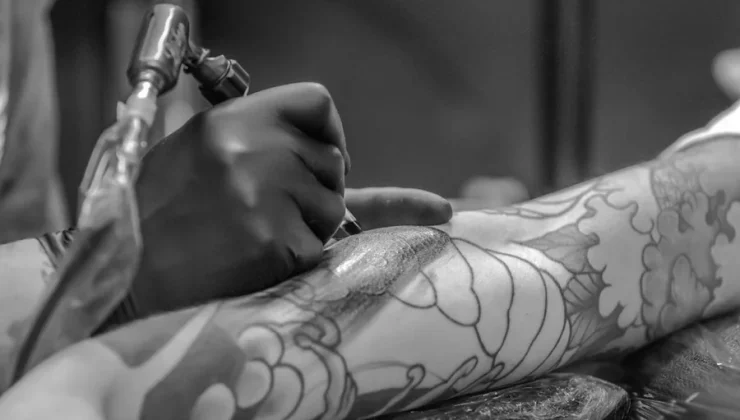
Building a professional tattoo kit requires understanding which supplies truly matter for creating quality work. Artists starting their careers face countless product options, making it challenging to distinguish essential items from unnecessary additions. The right equipment supports consistent results and helps artists develop their skills without fighting against inadequate tools. This article explores the fundamental supplies that belong in every tattoo artist’s workspace, explaining their purposes and what to look for when selecting them.
Tattoo Machines and Their Role
The tattoo machine serves as the primary tool that delivers ink into the skin through controlled needle movement. Rotary machines operate quietly with less vibration, while coil machines provide traditional power and a distinct sound.
Each machine type offers advantages depending on the artist’s technique and the work being performed. Artists typically keep multiple machines configured differently for lining, shading, and color packing to avoid constant adjustments during sessions.
Power Supply Considerations
A reliable power supply controls the machine’s voltage and maintains consistent performance throughout long tattoo sessions. Digital power supplies allow precise voltage adjustments and often include features like foot pedal connectivity.
Analog supplies offer straightforward operation with manual dials that some artists prefer for their tactile feedback. The power supply connects all electrical components and determines how smoothly the machine runs during critical moments.
Quality Tattoo Needles
Needles come in various configurations grouped by purpose, including liners, shaders, and magnums for different applications. The tightness and arrangement of needle points affect how ink deposits into the skin and what effects the artist can achieve.
Pre-sterilized needles packaged individually maintain safety standards and eliminate the need for in-studio sterilization. Artists match needle configurations to their intended work, keeping diverse options available for different tattoo styles and detail levels.
Round Tip Disposable Tubes
Disposable tubes, available from specialty suppliers or online distributors for some starter kits, eliminate cross-contamination risks and save significant time between clients compared to autoclavable alternatives. Round tip tubes work particularly well for line work and smaller, detailed pieces where precision matters most.
These tattoo supplies can be purchased through authorized distributors or direct from the manufacturer’s website, and similar manufacturers provide consistent quality across their disposable tube lines. These tubes arrive pre-sterilized and ready to use, allowing artists to focus on their work rather than equipment preparation.
Grip and Tube Compatibility
The grip portion determines how comfortably the artist can hold and control the machine during extended sessions. Different diameter grips accommodate various hand sizes and personal preferences for control and maneuverability.
Tubes must match the needle configuration being used to function properly and prevent ink spillage or inconsistent delivery. Some artists prefer integrated grip-and-tube systems while others choose separate components for greater flexibility.
Ink Selection and Storage
Tattoo ink quality directly impacts color saturation, healing results, and long-term appearance of finished work. Professional-grade inks undergo testing for safety and consistency, with reputable manufacturers providing detailed ingredient information.
Black ink serves as the foundation for most tattoos, while color selections vary based on the artist’s style and clientele preferences. Proper storage away from direct sunlight and extreme temperatures maintains ink quality and prevents premature degradation.
Barrier Protection Essentials
Gloves form the first line of protection for both artist and client during every tattoo session. Nitrile gloves work better than latex for people with allergies and provide excellent tactile sensitivity for detailed work.
Barrier films protect equipment surfaces from ink and bodily fluid exposure, making cleanup faster and more thorough. These protective measures maintain professional hygiene standards and create a safer working environment for everyone involved.
Hygiene and Sanitation Products
Green soap serves multiple purposes for cleaning skin before and during tattooing, helping to remove debris and excess ink. Antiseptic solutions prepare the skin surface and reduce bacterial presence before needle penetration begins.
Paper towels designed for tattoo use absorb moisture without leaving lint that could contaminate the work area. All sanitation products should meet health department requirements and support the studio’s infection control protocols.
Aftercare Products for Clients
Providing appropriate aftercare products shows professionalism and supports proper healing of fresh tattoos. Petroleum-free ointments and specialized tattoo balms help protect new work without clogging pores or causing excessive scabbing.
Clear written instructions accompany these products so clients understand proper application and care duration. Quality aftercare reduces the likelihood of complications and helps clients achieve the best possible healing results.
A well-equipped tattoo kit provides the foundation for professional work and client satisfaction. Understanding each supply’s purpose helps artists make informed decisions when purchasing equipment and restocking consumables.
While the initial investment in quality supplies may seem substantial, reliable tools support better work and reduce frustration during sessions. Artists who prioritize their equipment needs find themselves better prepared to handle diverse client requests and maintain the professional standards their work deserves.