
A Complete Guide to Kaluga Hybrid Caviar
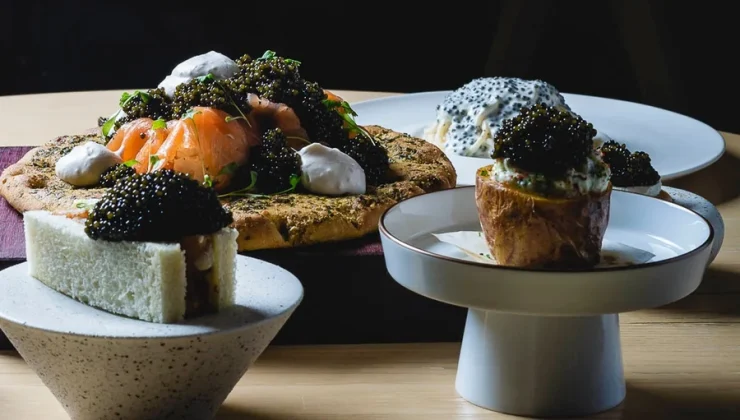
Kaluga Hybrid caviar has gained international recognition as one of the most luxurious and sought-after types of caviar in the world. Often described as a delicacy for connoisseurs, its unique taste, texture, and sustainable production methods make it an intriguing choice for both gourmet enthusiasts and environmentally conscious consumers. This guide explores everything you need to know about Kaluga Hybrid caviar, from its origins to culinary uses.
Origins and Background
Kaluga Hybrid caviar comes from the Kaluga sturgeon (Huso dauricus), a large freshwater fish native to the Amur River basin in Russia and China. The Kaluga sturgeon is closely related to the Beluga sturgeon, and its hybrid version is typically a cross between the Kaluga sturgeon and the Amur sturgeon. This hybridization was developed to enhance certain qualities, including egg size, flavor profile, and farming adaptability.
Unlike wild caviar, which is rare and often expensive due to overfishing, Kaluga Hybrid caviar is predominantly farmed. Aquaculture methods allow for sustainable production, protecting natural sturgeon populations while still delivering high-quality caviar to the market.
Appearance and Characteristics
Kaluga Hybrid caviar is known for its large, firm eggs that range from dark gray to black in color, often with subtle golden or brown undertones. Each pearl is glossy, uniform, and resilient, which makes it visually appealing when served. The size and firmness of the eggs are key indicators of quality—larger, intact pearls generally command higher prices.
Flavor Profile
The flavor of Kaluga Hybrid caviar is rich, creamy, and buttery, with a subtle nutty undertone. Unlike some other types of caviar, it does not have an overly fishy taste. Its delicate and smooth texture melts effortlessly in the mouth, making it a favorite for both experienced caviar enthusiasts and first-time tasters. Some describe the flavor as slightly earthy with a hint of oceanic saltiness, which complements a variety of culinary pairings.
Nutritional Value
Caviar, including Kaluga caviar, is more than just a luxury item—it is also a nutrient-dense food. It is rich in high-quality protein, omega-3 fatty acids, and essential vitamins and minerals such as vitamin B12, selenium, and iron. Omega-3s in particular are known for their cardiovascular benefits and anti-inflammatory properties. However, because caviar is high in sodium, moderation is recommended, especially for individuals with blood pressure concerns.
Sourcing and Sustainability
One of the major advantages of Kaluga Hybrid caviar over wild caviar is its sustainable farming. Responsible aquaculture ensures that the sturgeon are raised in controlled environments with clean water, appropriate diets, and careful monitoring of their health. Farms often use methods like no-kill caviar harvesting, where eggs are collected without sacrificing the fish, which further supports environmental sustainability.
When purchasing Kaluga Hybrid caviar, it is advisable to check for certifications that indicate sustainable practices, such as CITES (Convention on International Trade in Endangered Species) compliance or farm-specific eco-certifications. This ensures that your indulgence does not come at the expense of sturgeon conservation.
Culinary Uses
Kaluga Hybrid caviar is versatile in its culinary applications. Traditionally, it is served chilled on a bed of ice, accompanied by simple garnishes such as blinis, toast points, or crème fraîche to allow the flavor to shine. Its creamy, buttery taste also pairs beautifully with mild cheeses, fresh seafood, and even light champagne or vodka.
Chefs often use Kaluga Hybrid caviar to elevate appetizers, hors d’oeuvres, or gourmet dishes. It can be incorporated as a garnish on sushi, pasta, or omelets for a luxurious twist. Importantly, caviar should not be overheated or over-seasoned, as extreme heat or strong flavors can mask its delicate flavor profile.
Storage and Handling
Caviar is highly perishable and should be handled with care. Kaluga Hybrid caviar should be stored at temperatures between 28–32°F (-2 to 0°C) in its original sealed tin or jar. Once opened, it should be consumed within a few days for optimal freshness. Avoid using metal utensils when serving, as they can alter the flavor; mother-of-pearl, bone, or plastic spoons are recommended.
Conclusion
Kaluga Hybrid caviar offers a luxurious experience that combines exquisite taste, striking appearance, and sustainable sourcing. Its large, glossy pearls, creamy texture, and delicate flavor make it a prized addition to gourmet tables worldwide. Whether you are a seasoned caviar lover or a curious first-time taster, understanding the origins, characteristics, and proper handling of Kaluga Hybrid caviar ensures a fully enjoyable experience.
By choosing responsibly farmed Kaluga Hybrid caviar, you not only indulge in one of the world’s finest delicacies but also support sustainable practices that help protect sturgeon populations for future generations. It is a true example of how luxury and sustainability can coexist on a plate.