
How Technology Is Making Cities Smarter and More Connected
The Rise of Smart Cities
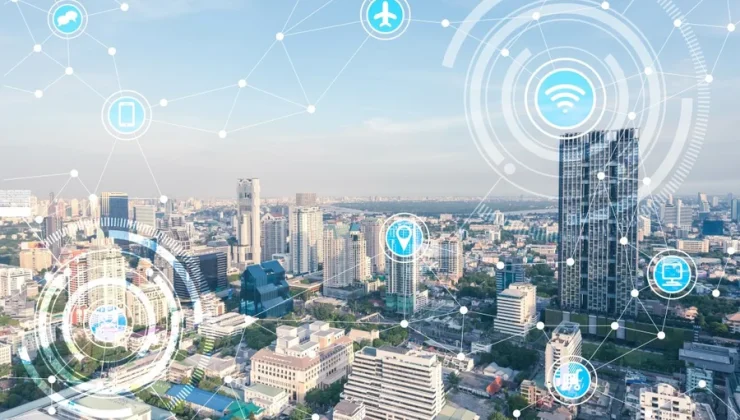
How Technology Is Making Cities Smarter is no longer just a futuristic idea—it is something we are witnessing in real time. Cities across the world are evolving rapidly as digital systems, data, and connected devices reshape how urban environments function. From traffic lights that adjust automatically to energy grids that respond to demand, modern cities are becoming more efficient and responsive to people’s needs.
This shift is driven by a combination of urban growth and technological advancement. As populations increase, cities face greater pressure to provide better services without overwhelming existing infrastructure. Smart solutions help bridge this gap by using real-time data to make decisions faster and more accurately. Governments, businesses, and communities are working together to create environments that are not only smarter but also more livable.
At the heart of these changes is the idea that technology should serve people. It is not just about adding gadgets or sensors—it is about improving everyday experiences, from commuting to accessing public services.
Smarter Transportation and Mobility
One of the most visible ways cities are becoming smarter is through transportation. Traffic congestion has long been a major challenge, but technology is helping to ease the burden. Smart traffic management systems use sensors and cameras to monitor vehicle flow and adjust signals accordingly. This reduces wait times and improves overall efficiency.
Public transportation is also benefiting from innovation. Real-time tracking allows passengers to see exactly when buses or trains will arrive, making commuting more predictable. Mobile apps provide route suggestions based on current conditions, helping people avoid delays.
Ride-sharing and electric vehicles are also playing a role. Many cities are encouraging eco-friendly transportation options by installing charging stations and offering incentives. These efforts not only reduce pollution but also contribute to a cleaner urban environment.
In addition, some cities are experimenting with autonomous vehicles and smart parking systems. These technologies aim to reduce accidents, save time, and make urban mobility more seamless.
Energy Efficiency and Sustainable Living
Energy management is another area where smart technology is making a big impact. Traditional systems often waste energy due to inefficiencies and lack of coordination. Smart grids, on the other hand, use data to balance supply and demand more effectively.
Buildings are becoming smarter too. Sensors can adjust lighting, heating, and cooling based on occupancy, reducing unnecessary energy use. This not only lowers costs but also minimizes environmental impact.
Renewable energy sources are being integrated into city systems, supported by advanced monitoring tools. Solar panels, wind energy, and battery storage are becoming more common, helping cities move toward sustainability.
Water management is also improving. Smart systems detect leaks, monitor usage, and ensure efficient distribution. This is especially important in areas where resources are limited.
Enhancing Public Safety and Security
Safety is a top priority for any city, and technology is providing new ways to protect communities. Smart surveillance systems can detect unusual activity and alert authorities in real time. While privacy concerns are important, these systems are designed to enhance security without being intrusive.
Emergency response is becoming faster and more coordinated. Data from various sources—such as traffic systems and communication networks—helps emergency services reach incidents more quickly. This can make a significant difference in critical situations.
Cities are also using predictive analytics to identify potential risks before they become major problems. For example, analyzing crime patterns can help allocate resources more effectively, reducing incidents over time.
Additionally, smart lighting systems improve safety in public spaces. Lights can automatically brighten when movement is detected, making streets safer for pedestrians at night. For more insights and ideas on related topics, check out Marathi Birthday.
Digital Services and Citizen Engagement
Technology is transforming how people interact with their cities. Many governments are moving services online, allowing residents to access information, pay bills, and submit requests without visiting offices.
This shift saves time and makes services more accessible. It also increases transparency, as citizens can track the status of their requests and receive updates in real time.
Public participation is also improving. Digital platforms enable residents to share feedback, report issues, and take part in decision-making processes. This creates a stronger connection between governments and communities.
For more insights into how technology is shaping modern life, you can visit techpora.
Smart city apps are becoming common, offering features like event notifications, public service updates, and local news. These tools help people stay informed and engaged with their surroundings.
The Role of Data and Connectivity
Data is the backbone of smart cities. Every connected device generates information that can be analyzed to improve services. From traffic patterns to energy usage, this data helps city planners make informed decisions.
High-speed internet and reliable connectivity are essential for these systems to function effectively. Without strong networks, the benefits of smart technology cannot be fully realized.
The Internet of Things (IoT) plays a key role by connecting devices and enabling them to communicate with each other. This creates a network of systems that work together seamlessly.
However, managing data comes with challenges. Security and privacy must be carefully handled to ensure that information is protected. Cities need to implement strong safeguards while still making use of valuable insights.
Challenges and Future Opportunities
While the benefits of smart cities are clear, there are also challenges to consider. Implementing new technologies can be expensive, and not all cities have the resources to invest in large-scale projects.
There is also the issue of digital inequality. Not everyone has access to the same level of technology, which can create gaps in service availability. Addressing this requires thoughtful planning and inclusive policies.
Despite these challenges, the future looks promising. Advances in artificial intelligence, machine learning, and connectivity will continue to drive innovation. Cities will become even more adaptive, responding to changes in real time.
Collaboration will be key. Governments, private companies, and communities must work together to ensure that technology benefits everyone. By focusing on people-first solutions, cities can create environments that are both smart and sustainable.
Final Thought
How Technology Is Making Cities Smarter is ultimately about improving quality of life. It is about creating spaces where people can move easily, feel safe, and access services without unnecessary hassle. While the journey toward fully smart cities is still ongoing, the progress made so far shows what is possible when innovation meets purpose.
As technology continues to evolve, cities will become more connected, efficient, and responsive. The goal is not just to build smarter systems but to create better experiences for everyone who calls these cities home.