
Navigating Domestic Violence Court in Kansas City, Missouri: Rights, Process, and Outcomes
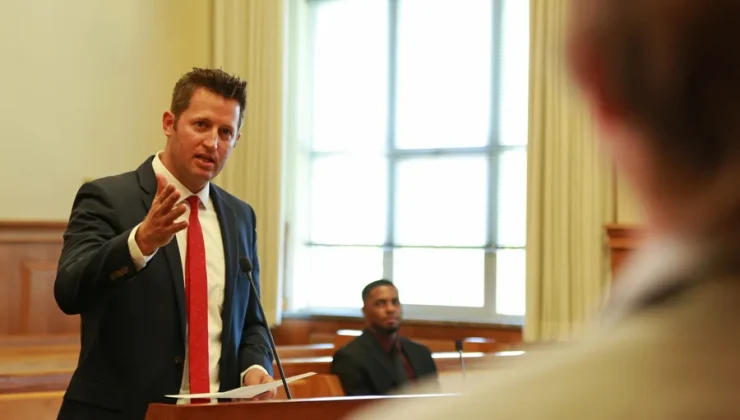
When a case starts, things move fast
A domestic violence case can feel like the floor dropped out from under you. One call, one police report, and suddenly court dates appear, rules change, and daily life gets tight. In Kansas City, domestic violence charges often move through a court process built to protect safety first. That means judges look at risk right away. Bond terms may limit contact. A no-contact order may begin before the full case even develops. People often expect one courtroom and one hearing. It rarely works that neatly. A case may involve city court, county procedures, and added reviews tied to treatment needs. That is where Kansas City Specialty Courts often enter the bigger conversation. Beyond the Bench KC, based in Kansas City, supports public understanding of these court systems because many people do not realize court is not only about punishment. In some cases, it also asks a harder question: what caused the harm, and can that pattern be stopped?
First hearing: what actually happens?
The first hearing usually comes soon after charges are filed.
The judge reviews:
- the police report
- injury claims
- past records
- bond terms
- safety concerns for the alleged victim
This stage feels brief, but it matters a lot. A defendant hears the charge, enters an early plea, or waits for counsel. If someone cannot hire private counsel, the court may appoint a public defender. That first day often feels cold and rushed. A lot of people leave saying, “That was it?” Yet that short hearing shapes what comes next. A judge may order:
- no contact with the other person
- no firearms possession
- supervised visits if children are involved
- drug or alcohol testing in some cases
Even texting can become a violation. That surprises many people.
Rights still matter, even when emotions run high
Domestic violence cases carry strong emotions. That is expected. Still, legal rights stay in place.
A person charged has the right to:
- remain silent
- have a lawyer
- review evidence
- question witnesses through counsel
- request trial
That right to stay silent matters more than people think. A rushed apology, a long explanation, or a social media post can all return later in court. And yes, even messages meant to “clear things up” can hurt a case. The court also protects victim rights. Safety planning, notice of hearings, and separate waiting areas may be used. That balance can feel tense because both sides often believe they need to be heard right away.
So where do Specialty Courts fit in?
Not every domestic violence case goes into a specialty track, but some cases connect to treatment-based court work when deeper issues appear.
That may include:
- substance use
- repeated low-level offenses
- mental health concerns
- unstable housing
- failed past probation
This is where Kansas City Specialty Courts become relevant. Programs tied to treatment ask for strict effort. People attend check-ins, testing, classes, and counseling. Missed steps can bring sanctions. It sounds tough because it is tough. Still, the goal is simple: stop repeat harm before another case lands on the docket. Beyond the Bench KC often helps explain this public mission—true justice means dealing with the cause, not only the charge. A lot like fixing a leaking roof, you cannot just wipe the floor every week and pretend the problem is gone.
The court process is slower than people expect
Television teaches people that legal cases move in one straight line. Real court moves in loops.
A domestic violence case may involve:
- early hearing
- bond review
- evidence exchange
- plea talks
- motion hearings
- trial setting
Sometimes dates get pushed. Witnesses miss court. Reports arrive late. Honestly, delay frustrates everyone. Still, delay does not always mean trouble. Sometimes lawyers need time to review body camera footage, medical records, or call logs.
And those details matter because domestic violence cases often depend on small facts:
- Who called first?
- Who left marks?
- Who sent messages later?
Tiny facts can swing big outcomes.
Possible outcomes — not always what people assume
Many people think every charge ends with jail. That is not always true.
Possible outcomes include:
- dismissal
- plea agreement
- probation
- counseling orders
- supervised treatment
- jail time
A first offense with no severe injury may lead to probation plus classes. A repeat offense or serious injury can mean stronger penalties.
If probation applies, the court may require:
- batterer intervention classes
- drug testing
- check-ins with probation staff
- strict no-contact rules
Missing one class can create fresh trouble. That sounds harsh, but courts treat compliance as proof that change is real, not promised.
A small but serious detail: records stay with you
A domestic violence case can affect:
- jobs
- housing
- custody disputes
- firearm rights
People often focus only on the next hearing. The longer impact gets ignored until later. That is why legal advice matters early. Even if someone hopes charges disappear, paperwork from the case may still appear in background checks depending on outcome. And yes, employers do look.
Why community support matters more than people think
Court orders can force attendance. They cannot force growth. That part usually comes from outside support—family, treatment groups, mentors, faith groups, or structured programs. That is one reason Beyond the Bench KC keeps public attention on specialty court work in Kansas City. A courtroom alone cannot rebuild habits. A judge can order classes. A person still has to show up and do the hard part. That is slow work. Quiet work too. But often, that is where the real change starts.
FAQs
- What is a domestic violence court in Kansas City?
Domestic violence court handles charges tied to assault, threats, stalking, or abuse involving family or close partners. It gives these cases close review because safety risks can rise fast. Judges often issue early contact limits and monitor bond terms closely.
- Can charges continue if the other person wants to drop the case?
Yes. The state decides whether prosecution continues. Even if the reporting person changes their mind, prosecutors may still move ahead using police reports, photos, calls, or witness statements.
- Does every domestic violence case lead to jail?
No. Some cases end with probation, classes, or supervised treatment. The result depends on injury level, prior record, evidence strength, and whether court orders are followed.
- What happens if a no-contact order is broken?
The court may treat that as a new violation. A text, call, or visit—even if invited—can trigger arrest or stricter bond terms.
- Can Specialty Courts help someone charged in these cases?
In some situations, yes. If the case links to addiction, mental health strain, or repeated behavior, treatment-based court programs may help reduce future harm while keeping strong court oversight.