
How to Fix “ERR_SSL_PROTOCOL_ERROR”
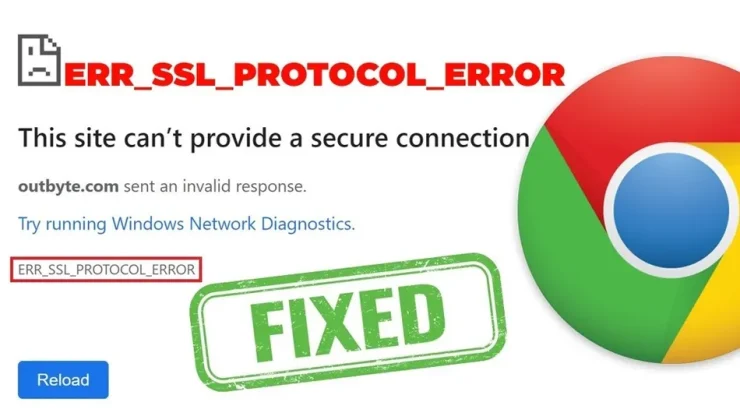
The “ERR_SSL_PROTOCOL_ERROR” message appears when a browser cannot establish a secure SSL connection with a website. Many users encounter this issue while trying to access websites, including www.xnxx.com. This error can happen because of browser settings, outdated SSL certificates, network problems, DNS issues, antivirus software, or VPN conflicts.
If you are seeing “www.xnxx.comment an invalid response. err_ssl_protocol_error,” there are several troubleshooting methods you can try. In this article, we will explain the common causes of this SSL error and provide practical solutions to fix it.
What Does ERR_SSL_PROTOCOL_ERROR Mean?
SSL stands for Secure Sockets Layer. It is a security protocol that encrypts communication between your browser and a website server. When the SSL connection fails, browsers like Google Chrome display an error message such as:
“ERR_SSL_PROTOCOL_ERROR”
This means the browser could not complete the secure handshake process with the server.
Common Causes of www.xnxx.comment an invalid response. err_ssl_protocol_error
There are several possible reasons behind this error:
- Incorrect system date and time
- Corrupted browser cache or cookies
- Antivirus or firewall interference
- VPN or proxy conflicts
- DNS issues
- Browser extensions causing problems
- Expired or invalid SSL certificates
- ISP restrictions or network blocks
Understanding the root cause helps fix the issue more effectively.
Method 1: Check Date and Time Settings
Incorrect device date and time settings can prevent SSL certificates from validating properly.
Windows:
- Right-click the clock on the taskbar
- Select “Adjust date and time”
- Enable automatic time settings
Mac:
- Open System Settings
- Go to Date & Time
- Turn on automatic time synchronization
After updating the time, restart your browser and try accessing the website again.
Method 2: Clear Browser Cache and Cookies
Old or corrupted cache files can trigger SSL errors.
In Google Chrome:
- Open Chrome
- Press Ctrl + Shift + Delete
- Select “Cookies and Cached Images”
- Click “Clear Data”
Restart the browser after clearing the cache.
Method 3: Disable Antivirus SSL Scanning
Some antivirus programs scan encrypted traffic and may interfere with SSL connections.
Popular antivirus software like Avast, AVG, or Bitdefender sometimes block websites accidentally.
You can temporarily disable:
- HTTPS scanning
- SSL filtering
- Web shield protection
After disabling the feature, test the website again.
Method 4: Flush DNS Cache
DNS problems may also cause SSL connection errors.
On Windows:
- Open Command Prompt as Administrator
- Type: ipconfig /flushdns
- Press Enter
On Mac:
Use Terminal and enter: sudo dscacheutil -flushcache
Restart your browser afterward.
Method 5: Disable VPN or Proxy
Some VPN services or proxies block SSL handshakes or redirect traffic incorrectly.
Try:
- Disconnecting VPN
- Turning off proxy servers
- Switching to another network
Then reload the website.
Method 6: Update Your Browser
Outdated browsers may not support modern SSL protocols.
Make sure you are using the latest version of:
- Google Chrome
- Mozilla Firefox
- Microsoft Edge
- Safari
Updating the browser often resolves compatibility issues.
Method 7: Disable QUIC Protocol in Chrome
Google Chrome’s QUIC protocol can sometimes create SSL conflicts.
Steps:
- Open Chrome
- Visit: chrome://flags
- Search for “QUIC”
- Disable “Experimental QUIC Protocol”
- Restart Chrome
This method has fixed SSL issues for many users.
Method 8: Change DNS Servers
Using public DNS servers may improve connectivity.
Recommended DNS:
Google DNS:
- 8.8.8.8
- 8.8.4.4
Cloudflare DNS:
- 1.1.1.1
- 1.0.0.1
Switching DNS can bypass local network problems.
Method 9: Check Website Server Status
Sometimes the issue is not on your side. The website server itself may have:
- SSL certificate errors
- Server downtime
- Configuration problems
You can test the site using online SSL checker tools to see whether the server is responding correctly.
Method 10: Try Another Device or Network
Testing the website on another device helps determine whether the issue is local.
You can try:
- Mobile data instead of Wi-Fi
- Another computer or smartphone
- Different internet providers
If the website works elsewhere, the problem likely comes from your current network configuration.
Is ERR_SSL_PROTOCOL_ERROR Dangerous?
Usually, this error is not dangerous by itself. It mainly indicates that a secure connection could not be established.
However, users should always be cautious when bypassing SSL warnings because invalid SSL certificates can sometimes indicate security risks.
Final Thoughts
The “www.xnxx.com sent an invalid response. ERR_SSL_PROTOCOL_ERROR” message can happen for several technical reasons, including browser issues, DNS problems, incorrect system settings, or SSL certificate conflicts. Fortunately, most cases can be fixed using simple troubleshooting methods like clearing cache, updating the browser, changing DNS servers, or disabling interfering software.
By following the steps above, users can usually resolve the SSL protocol error and restore secure website access quickly.