
How Is It Possible for Ski Jumpers to Stay in the Air So Long and How Do They Train for That?
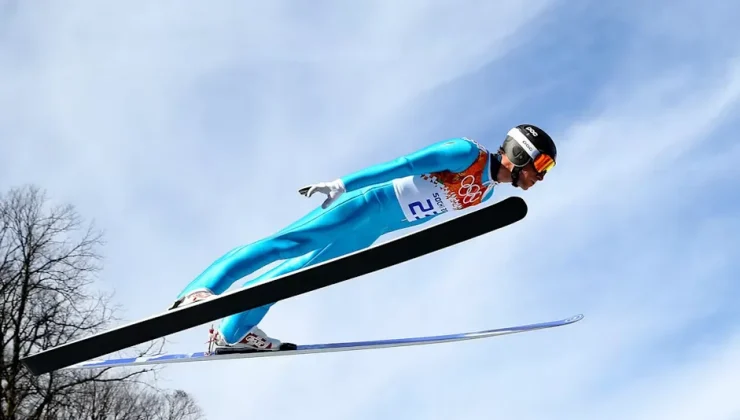
Ski jumping is one of the most exciting winter sports in the world. Watching athletes glide through the air for several seconds often makes people wonder: how is it possible for ski jumpers to stay in the air so long and how do they train for that? The answer lies in a combination of physics, aerodynamics, body control, advanced equipment, and years of specialized training.
Modern ski jumpers can fly distances of over 200 meters during professional competitions. Their ability to remain airborne is not magic—it is a carefully mastered balance between speed, lift, posture, and technique. In this article, we will explore how ski jumpers stay in the air so long and the intense training methods they use to achieve these incredible performances.
The Science Behind Ski Jumping
To understand how it is possible for ski jumpers to stay in the air so long and how do they train for that, it is important to first understand the science involved.
Ski jumping depends heavily on aerodynamics. As jumpers launch from the ramp at high speed, their body position and skis create lift, similar to how airplane wings work. Instead of simply falling downward, they glide through the air while gravity slowly pulls them toward the landing slope.
The shape of the hill is also designed to support longer flights. The steep landing angle allows athletes to travel farther while maintaining smoother landings.
Speed Creates Lift
At the top of the ski jump ramp, athletes begin with a steep descent. By the time they reach the takeoff point, they can reach speeds between 85 and 95 kilometers per hour.
This speed is crucial because fast-moving air passing around the skier’s body and skis generates lift. The more efficient the body position, the longer the jumper can remain in the air.
The Importance of the V-Style Technique
One major reason why ski jumpers stay in the air so long is the famous “V-style” technique.
In the past, ski jumpers kept their skis parallel. However, athletes later discovered that spreading the skis into a V shape created significantly more lift and stability. Today, almost every professional ski jumper uses this style.
The V-shape increases the surface area facing the airflow, helping the jumper glide farther. Combined with a forward-leaning body posture, this technique minimizes air resistance and maximizes flight time.
Body Position Matters
A ski jumper’s body position during flight is extremely important. Even small mistakes can reduce distance dramatically.
Professional ski jumpers keep their bodies low and forward while extending their skis carefully. Their posture helps direct airflow efficiently around their body.
The head, arms, hips, and legs must remain stable throughout the jump. Any unnecessary movement can disrupt balance and reduce lift.
This precise control is one of the key reasons why it is possible for ski jumpers to stay in the air so long and how do they train for that becomes such a critical question.
Specialized Equipment Helps Performance
Modern ski jumping equipment is carefully engineered to improve flight performance.
Ski Design
Ski jumping skis are much longer and wider than regular skis. Their size helps increase lift during flight.
Jumping Suits
The suits are designed to interact with airflow in specific ways. However, strict competition rules regulate suit size and material to ensure fairness and safety.
Boots and Bindings
Ski jumping boots allow jumpers to lean far forward during flight while maintaining stability during takeoff and landing.
Every piece of equipment contributes to helping athletes stay airborne longer.
How Do Ski Jumpers Train?
Now that we understand how it is possible for ski jumpers to stay in the air so long and how do they train for that, let’s look at the training methods used by professional athletes.
Training for ski jumping is extremely demanding and involves much more than simply practicing jumps.
Strength and Explosive Power Training
Ski jumpers need powerful leg muscles for explosive takeoffs.
Athletes spend hours in the gym performing exercises such as:
- Squats
- Box jumps
- Deadlifts
- Plyometric drills
- Lunges
Explosive power helps jumpers push forcefully off the takeoff table, which directly affects flight distance.
Balance and Coordination Exercises
Balance is essential in ski jumping because athletes must maintain perfect control during flight and landing.
Jumpers train using:
- Balance boards
- Stability balls
- Slacklines
- Coordination drills
These exercises improve body awareness and reaction speed.
Aerodynamic Practice
Ski jumpers constantly practice flight posture. Coaches analyze body angles carefully because even tiny changes can impact performance.
Athletes often train in wind tunnels or use video analysis to improve their aerodynamic form.
Understanding airflow is one of the biggest factors behind how ski jumpers stay in the air so long.
Summer Training on Plastic Hills
Ski jumping is not limited to winter. Many athletes train year-round using special plastic-covered hills.
These surfaces simulate snow conditions and allow jumpers to practice technique during warmer months.
Summer training helps athletes maintain consistency and improve their skills continuously.
Mental Training Is Critical
Fear management and concentration are huge parts of ski jumping.
Imagine flying through the air at nearly 100 kilometers per hour while suspended dozens of meters above the ground. Mental toughness is essential.
Athletes use sports psychologists, breathing exercises, and visualization techniques to stay calm and focused before jumps.
Confidence plays a major role in successful ski jumping performances.
Nutrition and Fitness
Professional ski jumpers follow strict nutrition plans to maintain ideal body weight and strength.
Being lightweight can improve flight efficiency, but athletes must still maintain enough muscle power for explosive jumps.
Their diets often focus on:
- Lean protein
- Complex carbohydrates
- Healthy fats
- Hydration
Overall fitness is carefully monitored throughout the season.
Safety in Ski Jumping
Although ski jumping appears dangerous, modern safety measures have improved significantly.
Competition hills are carefully designed, athletes wear protective gear, and training is highly supervised. Weather conditions such as strong winds are also monitored closely to reduce risks.
Despite these precautions, ski jumping still requires tremendous courage and discipline.
Conclusion
So, how is it possible for ski jumpers to stay in the air so long and how do they train for that? The answer combines science, technique, athletic ability, and years of specialized preparation.
Ski jumpers rely on speed, aerodynamic body positioning, advanced equipment, and precise flight control to maximize lift and remain airborne longer. Their training includes strength building, balance exercises, posture practice, mental conditioning, and year-round technical drills.
What looks effortless during competition is actually the result of countless hours of hard work and dedication. Ski jumping remains one of the most fascinating examples of how human skill and physics can work together to achieve extraordinary performances.