
How to Store and Preserve Organic Meat for Maximum Freshness
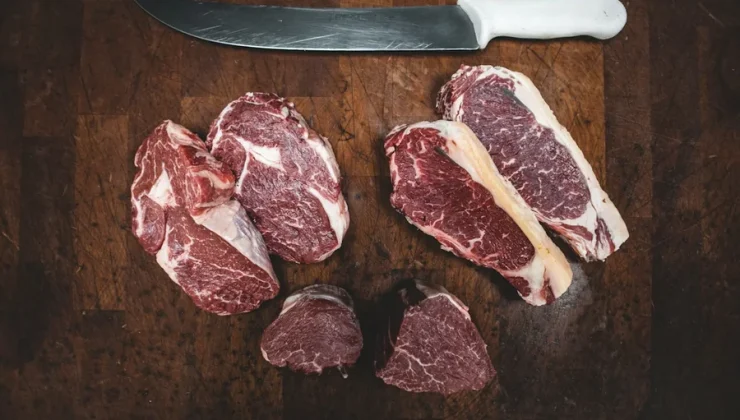
Organic meat is definitely an investment in quality. Any food enthusiast in Britain knows that there is nothing quite like enjoying a high-quality piece of meat for that traditional Sunday roast or high-quality sausages for that barbecue on a Saturday lunchtime. But it is not just bringing home that expensive organic meat that is part of your food experience. It is also storing that organic meat in the right conditions that will ensure that your meat is not only fresh but also safe and delicious until you are ready to cook.
This guide is all about exactly how you do that from the minute you receive high-quality meats from the likes of Eversfield Organic until the minute that organic meat hits your roasting pan.
Why Organic Quality Matters for Longevity
When it comes to organic quality meat, there is no doubt that it is going to have a direct impact on longevity. When organic meat is farmed, it is farmed naturally. This means that not only is it farmed naturally, but it is also subject to extremely high standards in terms of processing.
This means that not only is the organic meat in pristine conditions initially, but it also means that it is likely to have a strong cellular structure. Of course, this is obviously a massive head start in terms of making sure that your organic meat is not only fresh but also lasts for a long time.
Initial Preparation and Temperature Control
When it comes to making sure that your organic meat lasts for a long time, there is no doubt that it is not just about what you do at home. It is also about what you do from the minute you complete your shopping. When it comes to raw organic meat, temperature control is absolutely essential. This is why it is absolutely essential that you always make sure that you have an insulated cool bag with you when you go shopping.
Once you get home, make sure that you store that organic meat in either your refrigerator or your freezer. Leaving organic meat on your kitchen counter is not only a bad idea but also encourages bacteria growth, which obviously reduces longevity.
If you are planning to cook your organic meat within a day or two, the refrigerator is the best storage option. Ensure that your refrigerator remains at all times below forty degrees Fahrenheit. It is essential to store the meat at the very bottom shelf to avoid any possible drips that could contaminate your fresh vegetables and dairy products. Ensure that the meat is tightly wrapped either in its original butcher paper or in an airtight glass container to reduce the levels of oxygen exposure.
Freezing Techniques to Prevent Freezer Burn
Freezing is another effective way of increasing the lifespan of your organic meat. However, the main enemy of frozen food is air. One of the most effective techniques in the prevention of freezer burn is the purchase of a vacuum sealer. This is the best option if you want to ensure the texture of the meat remains perfect.
Alternatively, you could wrap the meat tightly in freezer paper and immediately follow up with a protective layer of heavy-duty foil. Ensure that there is no excess air before sealing the package tightly.
Thawing Methods for Perfect Texture
The process of defrosting the meat is equally important as the process of freezing the meat. It is imperative that you do not let the organic meat thaw at room temperature. This is the most effective way of inviting bacteria into your kitchen.
As an alternative, store the frozen meat in the refrigerator the day before the cooking event. This process ensures that the muscle fibres absorb moisture, hence providing the organic chicken or organic beef with the perfect texture. If you are in a hurry, submerge the package in cold tap water.
Making the Most of Your Culinary Investment
Proper storage is the game-changer that will alter your entire experience of organic meats. It’s not just about the nutrition; it’s also about the taste. Give your ingredients the respect they deserve, and every meal you make will taste incredibly fresh!