
The Environmental Cost Of Land Clearing
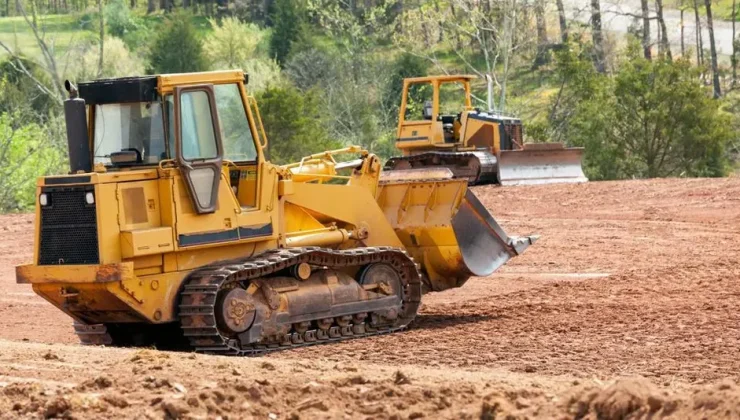
Picture a land of trees and birds chorusing in the dawn and cool ground throughout the day. Now picture that same land flattened, stripped and exposed. On a quick glance, it could appear to be advancement – room for homes, farms, or streets. However, behind this transformation lurks a secret environmental cost. Although it appears simple but land clearing in Burnett can negatively affect ecosystems and the air, water and people surrounding the operation.
Loss of Biodiversity:
Among the initial things that occur when a land is cleared is habitat destruction. Numerous plants, animals, and microorganisms reside in forests, grasslands and wetlands. The clearing of these areas impact the entire ecosystems as some species are unable to adapt quickly to survive somewhere else and thus their population either decrease or disappear.
Those that do survive have to cope up with limited spaces and greater competition for food and shelter. It results in disturbing natural food chains and damage the stability of the ecosystem.
Soil Degradation And Erosion:
Soil is commonly viewed as a “dead” material; however, it is a living self-organizing complex system. The roots of plants help provide stability to the soil and underground organisms help nourish and preserve good soil quality. With the removal of a plot of land, this protective structure is lost.
In the absence of plants soil is vulnerable to wind and rain. The water, during periods of torrential rain, erodes the rich topsoil leaving behind fertile, thin soil that is unfavourable for future plant life. Drought conditions, which we are currently experiencing, can make productive land unusable, thus causing erosion. Repeated clearing to desert like conditions can occur in some areas and take a long time to change.
Disruption Of The Water Cycle:
Water is strongly controlled by the trees and plants. They soak up rain falls, hold it within them and slowly evaporate it into the environment. Remove the vegetation and this natural balance is destroyed.
Because of clearing, the topsoil is washed over more rapidly when it rains. This will contribute to storm season flooding and lessen of groundwater recharge during dry seasons. Streams and rivers in the vicinity can also fill with sediment, which can impact water quality in such waters and that of the people who rely on them.
Carbon Release and Climate Change:
Forests are a natural carbon storage system. Forests are helpful as they take up carbon dioxide from the air and thus regulating the global temperature. When land is cleared, particularly if it is burned, the stored carbon dioxide is released and trapped in the atmosphere, contributing to greenhouse gases and causing climate change.
Land clearing also results in less trees and thus carbon dioxide does not get absorbed but rather remain trapped in the atmosphere. This double effect means land clearance is a hidden factor contributing to an increase of global temperature and changing weather patterns.
The Air Quality Index Drops:
Dirt naturally gets filtered by trees and oxygen is generated. Large clearings reduces this natural system of cleaning the air. Dust levels are raised and harmful particles have a longer time in the air.
This can create smog-like conditions in areas close to constructions or in rural areas where farming practice is undertaken. In the long run, this worsened pollution can lead to respiratory issues, particularly in young children, elderly and those with pre-existing conditions.
Impact on Human Communities:
Nature isn’t the only person to be impacted by land clearing. Forests and natural land have direct value for many communities as food, medicine, fuel and shelter materials. As soon as these resources are gone, the traditional lifestyles are disturbed.
In communities, the people are compelled to move or to adjust, change their diet and accept new surroundings with little help. Other cultural practices related to land are found to be also being lost, reducing the bonding between humans and nature.