
Structural Steel Painting: Balancing Aesthetic Appeal And Industrial Safety
Key Takeaways
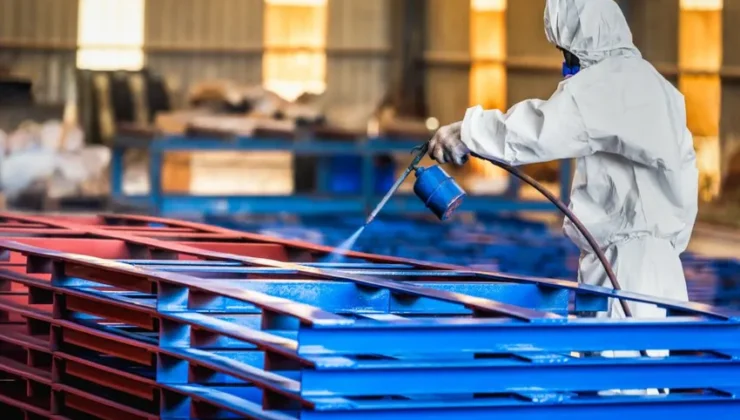
Protective coatings for structural steel can extend its lifespan by up to 15 years while minimizing corrosion, UV damage, and general wear from environmental elements.
Painting not only serves a functional purpose but also enhances the aesthetics of structural steel, turning cold, bare beams into attractive focal points. This transformation can lead to increased customer satisfaction and enhanced foot traffic.
A routine painting regimen acts as a proactive maintenance strategy. It helps to identify potential issues like rust early on, ultimately reducing long-term repair costs.
Investing in quality painting services can significantly boost property values and tenant retention. Well-maintained buildings are often viewed as more attractive and reliable.
Compliance with safety regulations is crucial; employing approved coatings not only enhances safety but also builds trust among clients and tenants.
Additionally, the right choice of paint can improve workplace safety by increasing visibility in industrial environments, which helps prevent accidents around heavy machinery.
Selecting an expert painting service provider is vital. Clients should evaluate their experience, techniques, and industry knowledge to ensure the best project outcomes.
The Unseen Advantages of Structural Steel Painting
Why Protective Coatings Extend Lifespan
For many commercial and industrial projects, structural steel is indispensable. However, it constantly combats challenges from the environment which can threaten its integrity. This is where protective coatings prove invaluable. They do more than just add color; they serve as a strong defense against corrosion, UV damage, and general wear. Typically, businesses that invest in structural steel painting services see a substantial extension in their structures’ lifespan. With a high-quality coating, protection can last up to 15 years before any maintenance is needed.
Imagine a high-rise located in the middle of a bustling city. The effects of pollution and varying weather conditions can rapidly deteriorate unprotected steel. An effective paint job can yield remarkable results. For instance, using organic zinc-rich primers followed by topcoats can create a robust shield that keeps the steel in excellent condition. Research indicates that structures featuring protective coatings require significantly fewer repairs over time, leading to considerable savings.
Steel without protection is like a ship without a hull; it won’t withstand the storms.
Enhancing Aesthetics in Commercial Spaces
It’s a common misconception that structural steel is strictly utilitarian. That’s not entirely accurate. While its prime role is to provide strength and support, enhancing aesthetics is another impactful benefit of painting. A customized paint job can transform a basic steel structure into a striking central feature of a commercial space.
Consider a shopping mall, for example. Exposed steel beams might offer a trendy industrial feel, yet they can also give off a cold and uninviting impression. A thoughtfully executed color scheme can significantly improve the environment. Brands that utilize such strategies frequently report heightened customer satisfaction. The building then becomes more than just a structure; it evolves into an alluring space that invites people in.
- Custom color options can bolster brand identity.
- Creative designs can draw in increased foot traffic.
- Paint application can cultivate a more inviting atmosphere.
Cost-Effective Solutions Through Maintenance
How Painting Reduces Long-Term Repairs
When business owners weigh the upfront investments, some might hesitate at the thought of regular painting. However, many fail to recognize how these structural steel painting services can be incredibly cost-effective over time. Proactive maintenance leads to financial savings as it helps prevent corrosion damage that could cause catastrophic failures.
Regularly applied paints and coatings are effective at combating rust, an enemy of steel. Not only does a fresh coat provide protection, but it also allows for the early detection of potential problems. Think of it as a health check for a building—any underlying issues can be promptly addressed. Regular painting can accumulate significant cost reductions for building owners.
Investing in paint is investing in longevity. Every inch truly matters.
The ROI of Regular Maintenance
Cost considerations go beyond immediate expenses. They encompass long-term returns as well. Simply put, a building that looks appealing and is well-maintained has a greater chance of attracting clients and tenants. This focus on aesthetics can lead to increased property values. Regular maintenance investments often yield returns that surpass initial expectations.
Businesses tend to calculate ROI on painting using several metrics:
- Heightened property value due to improved appearance.
- Reduced repair expenses from consistent maintenance.
- Extended lifespans for structural components.
Many also note enhancements in tenant retention rates. A well-kept property fosters a sense of pride within the community, which promotes loyalty among both residents and employees.
Safety Compliance and Industry Standards
Working through Regulations with Paint Choices
Adhering to industry standards is indispensable for any business. Structural steel painting must also comply. Regulations specify certain standards for coatings to assure both safety and durability. Depending on geographic location and the type of structure, there may be legal stipulations that need attention.
Choosing paints that meet safety regulations showcases a commitment to quality. This not only fulfills regulatory requirements but also strengthens trust with clients and tenants. Coatings such as fire-retardant paints can be essential, as they slow fire spread within buildings. Partnering with a service provider well-versed in these specifications is crucial.
- Opt for paints that align with local building codes.
- Incorporate eco-friendly choices that meet sustainability standards.
- Consider fire-retardant coatings for high-risk zones.
How Proper Coatings Promote Workplace Safety
Improving workplace safety is yet another often-overlooked advantage of structural steel painting. Well-chosen coatings can enhance visibility, particularly in industrial settings. High-visibility colors can function as indicators of safety in areas filled with heavy machinery.
Employers should routinely evaluate their work environments. A consistent color palette throughout the workplace can deter accidents and keep workers alert to their surroundings. Safety goes beyond regulations; it encompasses daily practices too.
A well-maintained site isn’t solely aesthetic – it’s safe, too.
Choosing the Right Service Provider
What Sets Expert Painters Apart
Not all painters are on equal footing. The choice of service provider can heavily influence the results of any painting project. Expertise is evident in their understanding of both aesthetics and functionality. They should adopt a focused approach, integrating knowledge of materials, surface preparation, and environmental conditions.
Furthermore, reputable providers use advanced techniques and equipment, which often leads to faster results and superior finishes. Transparency, experience, and strong reviews should play a central role in this vital decision-making process.
- Seek providers with a track record of successful projects.
- Confirm proper certifications and licenses.
- Look for experience in specific industries relevant to the project.
Key Questions to Ask Before Hiring
Before making a final decision on a service provider, asking the right questions is paramount. A clear dialogue can offer significant insights into their capabilities and the value they bring. Start with inquiries regarding their processes, materials, and warranties.
Questions that could lead to helpful revelations include:
- What types of coatings do they recommend and why?
- How do they ensure compliance with safety regulations?
- Can they provide case studies of previous work?
Choosing the right provider could shape the path for structural steel protection. Informed decision-making leads businesses toward sound foundations.
FAQ
How does regional climate affect structural steel painting decisions?
Climate significantly impacts the selection of paints and coatings for structural steel. In coastal regions, rust-resistant formulations may be necessary due to heightened humidity and salt exposure, while areas with extreme temperatures might require specialized thermal protective coatings. A solid understanding of local environmental factors enhances the lifespan of both the paint and the underlying steel.
What are the best practices for preparing steel surfaces before painting?
Surface preparation is crucial for successful painting. Techniques like sandblasting or power washing ensure surfaces are clean and free of rust or debris. This foundational work allows for improved paint adhesion, resulting in a more durable finish that stands the test of time.
Can structural steel painting impact energy efficiency in buildings?
Indeed, the choice of paint color and type can have a significant effect on a building’s energy efficiency. Lighter or reflective coatings can minimize heat absorption, leading to lower cooling expenses in warmer climates. This not only increases comfort but aligns with sustainability initiatives by reducing energy consumption.
What role do paint warranties play in selecting a service provider?
Paint warranties can greatly enhance the value proposition when choosing a service provider. A robust warranty often reflects confidence in both the durability of the paint product and the expertise of the provider. It acts as a safeguard for businesses, making sure any issues due to the application or product defects are addressed.
Are there options for eco-friendly paints in structural steel projects?
Absolutely. Numerous manufacturers now produce eco-friendly paints with reduced volatile organic compounds (VOCs). These solutions not only protect steel structures but also lessen environmental impact, making them ideal for businesses that prioritize sustainability along with safety and aesthetics.
How can painting improve outdoor safety around steel structures?
Applying high-visibility colors to outdoor steel structures can markedly improve safety. Such practices help establish clear boundaries and hazardous areas, which aids in preventing accidents in environments where heavy machinery operates. This is critical for both employees and visitors navigating industrial landscapes.
What should businesses look for in product certifications for coatings?
When assessing coatings, businesses should prioritize products that fulfill industry-specific certification standards. Certifications like LEED for environmental quality or fire safety ratings assure product reliability. This not only guarantees compliance with regulations but also reinforces a company’s commitment to quality and safety.
What are the long-term impacts of neglecting structural steel painting?
Neglecting regular painting can result in severe long-term consequences, such as accelerated corrosion and structural deterioration. Over time, this leads to increased repair costs and ultimately jeopardizes safety. Investing in preventive maintenance through painting is crucial for preserving structural integrity and minimizing future expenses.
Useful Resources
- American Coatings Association– Offers industry research, safety information, and resources focused on coatings.
- NACE International– Provides technical and educational resources related to corrosion control.
- Sherwin-Williams– A comprehensive source for paint products, application techniques, and project guides.
- Association of the Wall and Ceiling Industry (AWCI)– Supplies training and educational materials on wall and ceiling industry standards and practices.
- ASTM International– Develops and publishes standards for materials, products, systems, and services.
- American Public Health Association (APHA)– Offers resources on environmental health and safety for building materials.
- U.S. Environmental Protection Agency (EPA)– Provides information on environmentally friendly options and regulations concerning paints and coatings.
- U.S. Green Building Council (USGBC)– Shares resources that focus on sustainable building practices and green building standards.
- Painting Contractors Association– Offers guidance and resources on best practices for painting and coating applications.