
Aesthetics and Functionality: How to Choose a Countertop
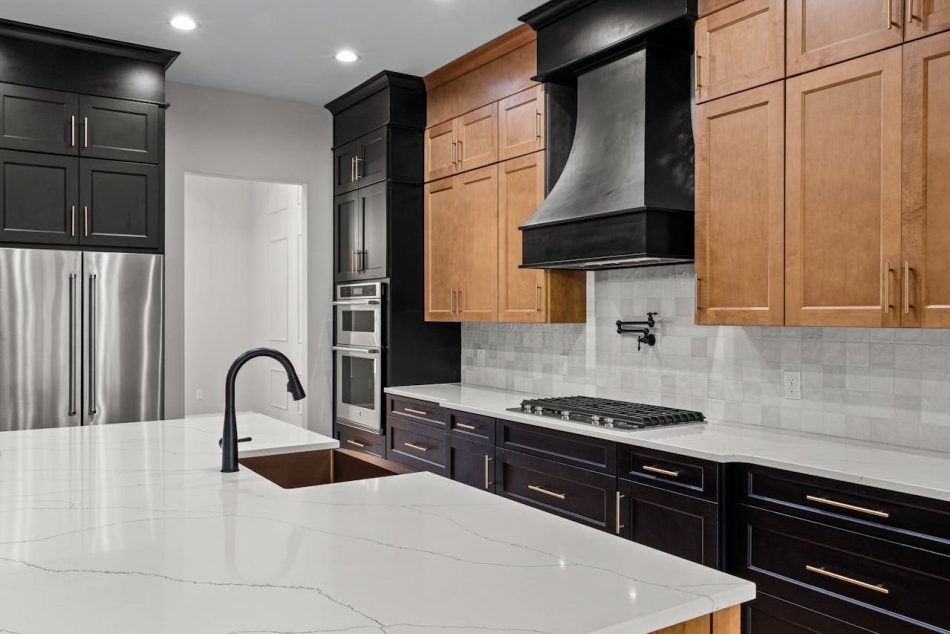
When it comes to designing or renovating a kitchen or bathroom, one of the most important decisions you’ll make is choosing the right countertop. A countertop is not only a functional surface for preparing food or getting ready in the morning, but it’s also a major design element that can set the tone for the entire room. With so many options available, it can be overwhelming to know where to start. That’s where https://american-standart.com/ comes in, offering a wide selection of high-quality countertops to suit any style and budget. In this article, we’ll explore the key factors to consider when choosing a countertop, from material and color to maintenance and cost.
Material Matters
The first and perhaps most important factor to consider when choosing a countertop is the material. There are several popular options, each with its own unique benefits and drawbacks.
One of the most classic and durable choices is natural stone, such as granite or marble. These materials are heat-resistant, scratch-resistant, and can last for decades with proper care. However, they can also be porous and require regular sealing to prevent stains and damage.
Another popular option is engineered stone, such as quartz. This material is made from a combination of natural quartz and resin, offering the look of natural stone with added durability and low maintenance. Quartz is non-porous, stain-resistant, and doesn’t require sealing, making it a great choice for busy kitchens.
For a more budget-friendly option, consider laminate countertops. These are made from layers of paper and resin, with a printed design on top that can mimic the look of stone or wood. While not as durable as natural or engineered stone, laminate is easy to clean and comes in a wide range of colors and patterns.
Other materials to consider include solid surface, which is a man-made material that can be molded into any shape and is easy to repair; wood, which adds warmth and character to a space but requires regular maintenance; and stainless steel, which is durable and easy to clean but can scratch and show fingerprints.
Color and Pattern
Once you’ve chosen a material, the next step is to consider color and pattern. The right color and pattern can help tie together the overall design of your space and create a cohesive look.
For a classic and timeless look, consider neutral colors like white, gray, or beige. These colors are versatile and can work with a variety of design styles, from traditional to modern.
If you want to make a bold statement, consider a bright or dark color like red, blue, or black. These colors can add drama and personality to a space, but may be harder to match with other design elements.
Patterns can also add visual interest to a countertop. Natural stone like granite or marble often has unique veining or flecks that create a one-of-a-kind look. Engineered stone can also mimic the look of natural stone patterns, or offer more uniform and consistent designs.
For a more subtle pattern, consider a textured finish like honed or leathered. These finishes create a matte look with a slight texture that can help hide scratches and fingerprints.
Maintenance and Durability
Another important factor to consider when choosing a countertop is maintenance and durability. Some materials require more upkeep than others, and some are more prone to scratches, stains, or chips.
Natural stone like granite or marble is durable and heat-resistant, but requires regular sealing to prevent stains and etching. These materials can also chip or crack if heavy objects are dropped on them.
Engineered stone like quartz is highly durable and resistant to scratches and stains, making it a low-maintenance option. However, it can be damaged by extreme heat, so it’s important to use trivets or hot pads when placing hot items on the surface.
Laminate is also low-maintenance and easy to clean, but can scratch or chip more easily than other materials. It’s important to use cutting boards and avoid placing hot items directly on the surface.
Solid surface and stainless steel are both highly durable and easy to clean, but can scratch or show fingerprints more easily than other materials. Wood is also durable, but requires regular oiling or sealing to prevent water damage and stains.
Cost and Budget
Of course, one of the biggest factors to consider when choosing a countertop is cost. Countertops can range from a few hundred dollars to several thousand, depending on the material, size, and complexity of the installation.
Natural stone like granite or marble is often the most expensive option, with prices ranging from $50 to $200 per square foot installed. Engineered stone like quartz is slightly less expensive, with prices ranging from $50 to $150 per square foot installed.
Laminate is one of the most affordable options, with prices ranging from $10 to $40 per square foot installed. Solid surface and wood are also relatively affordable, with prices ranging from $35 to $100 per square foot installed.
Stainless steel is often the most expensive option, with prices ranging from $75 to $150 per square foot installed.
When setting a budget for your countertop, it’s important to consider not only the material cost, but also the cost of installation, any additional features like backsplashes or edge treatments, and any necessary repairs or maintenance over time.
Conclusion
Choosing the right countertop for your kitchen or bathroom is a big decision that requires careful consideration of several key factors. From material and color to maintenance and cost, there are many options to choose from. By weighing the pros and cons of each option and working with a trusted supplier like American Standard, you can find the perfect countertop to suit your style, budget, and functional needs. With the right countertop, you can create a beautiful and functional space that you’ll enjoy for years to come.