
AI for Smart Grids: Real-Time Monitoring & Predictive Maintenance
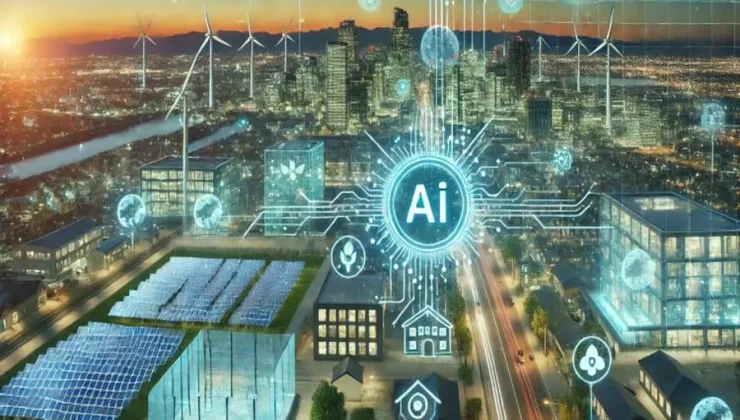
The energy use of the world around us is changing faster than most people realize. Homes are filled with connected devices, cities continue growing and businesses rely on systems that need a secure, consistent supply of electricity every second. The stress on the grid is significant. Thus, many energy companies and utilities are seeking new ideas and smarter tools to keep things running smoothly. This is where the discussion over artificial intelligence in energy and utilities gets real, especially regarding smart grid technology.
With so many new digital solutions being rolled out at an increasing rate across the industry, several providers are embracing advanced energy technologies that support grid efficiency, resilience and long-term sustainability. These innovations are becoming important for modern operations that rely upon intelligent, data-driven insights to maintain system stability.
A smart grid is not just an upgraded version of a traditional power network. It acts more as a living system that can sense what’s happening across miles of wires, transformers, meters and substations. The real magic happens when AI becomes part of that system. It helps interpret data that would be nearly impossible for human teams to track in real time. It also predicts problems long before they disrupt daily life.
Real Time Monitoring
Real-time monitoring may sound complex, but in practice, it simply means the grid can track its own condition every second. Sensors collect data like voltage levels, power quality, temperature changes and other signals that reflect the network’s health and performance. AI analyzes these signals with speed and accuracy that can feel almost intuitive. It spots unusual patterns, sudden spikes or slow changes that could indicate trouble.
The speed of this analysis is what makes it so valuable. Human teams are brilliant at problem-solving, but they can review only a limited amount of data at a time. AI does not have that limitation. It can scan thousands of data points at once and give operators a clear view of what is happening across the grid.
Some companies have explored how real-time systems can be designed to be practical and user-friendly for energy organizations at the beginning of their digital transformation journey.
Predictive Maintenance
Maintenance has always been crucial to keeping the grid reliable. The traditional approach relied heavily on fixed schedules or waiting for equipment to show signs of failure. AI introduces a more proactive approach. Instead of reacting to problems, it looks for early warning signs in equipment performance.
For example, a transformer may start vibrating more than usual, a feeder line may heat up at an unusual time of the day or a battery system may slowly lose efficiency at a slow pace. These details are small enough to go unnoticed, but AI detects them immediately.
These systems identify warning signs instantly and predictive models estimate how long the equipment will last and when maintenance should be performed. This allows maintenance teams to address issues before they become even worse. It also helps reduce downtime significantly.
As more utilities modernize, AI-driven tools are shaping how companies build resilience into their operations. These technologies support everything from asset monitoring to long-term planning, helping organizations maintain reliability across increasingly complex networks.
Encora facilitates this transformation process by helping energy and utility firms adopt intelligent, cloud-enabled platforms that enhance operational visibility and system performance. Due to their deep expertise in digital engineering, Encora crafts solutions that enable teams to manage data in real time better, automate processes and enhance grid reliability.
This shift will reassure both providers and users of a certain level of stability. As technology continues to evolve, the role of AI in smart grids will grow, offering new ways to secure the infrastructure that supports modern life.