
Applications for Wound Care: Collagen Gel
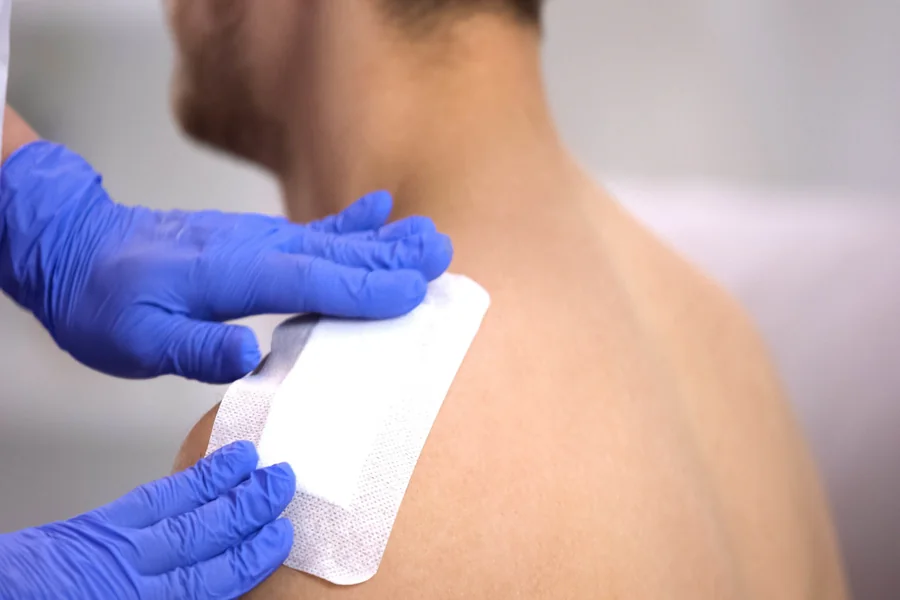
Collagen gel has become an increasingly vital tool in modern wound care, offering unique healing properties that support the body’s natural repair mechanisms. As the demand for advanced and effective wound care treatments rises—particularly in aging populations and those with chronic health conditions—collagen-based therapies are proving indispensable for both clinical and at-home use. This article explores the science behind collagen gel, its benefits, and the types of wounds it is commonly used to treat.
What Is Collagen Gel?
Collagen is the most abundant protein in the human body, forming the structural framework for skin, bones, tendons, and connective tissues. When the skin is wounded, collagen plays a critical role in tissue repair and regeneration. Collagen gel is a topical formulation made from purified collagen derived from bovine, porcine, or human sources. It is designed to be applied directly to wounds, acting as a scaffold that supports cell migration and new tissue formation.
The gel form allows for easy application and provides a moist environment—essential for optimal wound healing. Collagen gels may be combined with other ingredients, such as antimicrobial agents, hyaluronic acid, or growth factors, to further enhance their efficacy.
How Collagen Gel Supports Healing
The wound healing process involves several stages: hemostasis, inflammation, proliferation, and remodeling. Collagen gel contributes significantly during the proliferation and remodeling stages:
- Supports Cellular Migration: Collagen gel attracts fibroblasts and keratinocytes—cells essential for rebuilding damaged tissue.
- Stimulates Angiogenesis: Collagen promotes the formation of new blood vessels, ensuring that nutrients and oxygen reach the healing tissue.
- Reduces Excessive Inflammation: It can help modulate the inflammatory response, which is crucial for chronic wounds that are stalled in the inflammatory phase.
- Improves Epithelialization: Collagen helps accelerate the migration of skin cells over the wound, closing the wound more efficiently.
These properties make collagen gel a particularly useful treatment for wounds that are difficult to heal or are prone to infection and inflammation.
Common Applications in Wound Care
1. Chronic Wounds
Chronic wounds, such as diabetic foot ulcers, pressure sores, and venous leg ulcers, often fail to progress through the normal stages of healing. Collagen gel is beneficial in these cases because it provides a biological matrix that helps restart the healing process.
A study published in Wounds journal found that collagen-based dressings significantly improved healing rates in chronic diabetic foot ulcers compared to standard care. The collagen scaffold offered by the gel helped reduce wound size, improved tissue granulation, and shortened overall healing time.
2. Burns
Superficial and partial-thickness burns benefit greatly from collagen gel application. The gel not only keeps the wound bed moist but also helps reduce pain, minimize scarring, and protect the wound from contaminants.
Some formulations include silver or other antimicrobial agents, making collagen gel suitable for burns with high risk of infection. Patients often report reduced discomfort and faster healing when collagen gel is part of the burn care protocol.
3. Surgical Wounds and Skin Grafts
Post-surgical incisions, donor sites, and skin grafts require a balanced healing environment. Collagen gel can help ensure that the wound bed remains moist while supporting tissue integration and minimizing scar tissue formation. It’s also commonly used in plastic surgery and dermatology to promote high-quality healing in cosmetically sensitive areas.
4. Traumatic Wounds
Lacerations, abrasions, and other traumatic injuries can also benefit from collagen gel, especially when healing is slow or complicated by other medical conditions. Applying collagen gel soon after injury may reduce the risk of infection, accelerate healing, and support the restoration of healthy skin.
Advantages Over Traditional Dressings
While traditional wound dressings aim to protect the wound and absorb exudate, collagen gels actively participate in the healing process. Some key advantages include:
- Biocompatibility: Collagen is a natural protein that the body recognizes, reducing the risk of allergic reactions or irritation.
- Moist Wound Environment: The gel maintains hydration, which has been shown to speed up epithelial cell migration and reduce scab formation.
- Ease of Use: Collagen gel is easy to apply and conforms well to wounds of various shapes and depths, making it suitable for irregular or hard-to-dress areas.
Considerations and Limitations
Despite its many benefits, collagen gel is not appropriate for every wound or patient. It may not be effective for:
- Wounds with active infections (unless the gel contains antimicrobial agents)
- Individuals with collagen allergies (though rare)
- Highly exuding wounds where gel may not adhere properly
Always consult with a healthcare provider to determine if collagen gel is suitable for your specific wound type.
Collagen gel has carved out a crucial role in the field of wound care, providing a scientifically backed, biologically active option for promoting healing in a wide range of wounds. Whether used in chronic ulcers, surgical sites, or traumatic injuries, its ability to support tissue regeneration, reduce inflammation, and foster a moist environment makes it a go-to solution for healthcare providers and patients alike. As research advances and new formulations become available, collagen gel is poised to become an even more powerful tool in the future of wound management.