
Guide to Choose the Right Power Supply for Electronics, Lab Work & Industrial Applications
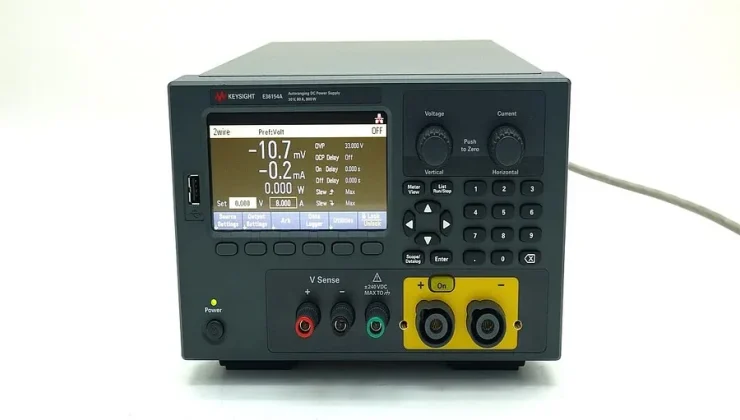
A power supply is one of the most essential components in any electronic setup. It provides the required electrical energy to operate circuits safely and efficiently. Whether you are working on small DIY projects, testing circuits in a lab, or running industrial equipment, selecting the right power supply plays a critical role in performance and reliability. When people search for 電源供應器推薦, they are usually looking for a dependable option that matches their specific usage needs.
What Is a Power Supply
A power supply is a device that converts electrical energy from a source into the correct voltage and current required by a system. It ensures that electronic components receive stable and regulated power, preventing damage caused by fluctuations or overload.
Unlike simple adapters, many power supplies used in technical environments allow adjustable output. This means users can control voltage and current levels based on the requirements of their circuits.
Types of Power Supplies
There are several types of power supplies, each designed for different applications.
Bench power supplies are commonly used in laboratories and workshops. They offer adjustable voltage and current, making them ideal for testing, prototyping, and troubleshooting.
Programmable power supplies allow digital control and automation. These are often used in advanced testing environments where precise and repeatable settings are required.
Industrial power supplies are built for long term and continuous operation. They are typically used in control panels, automation systems, and machinery.
Switching power supplies are compact and efficient. They are widely used in everyday electronics due to their ability to convert power with minimal energy loss.
Key Features to Consider
Choosing the right power supply requires understanding a few important factors.
Voltage range should match the requirements of your application. A wider range offers more flexibility for different projects.
Current capacity determines how much load the power supply can handle. It is important to choose a unit that can support your devices without strain.
Stability is critical, especially for sensitive electronics. A good power supply should provide consistent output without fluctuations.
Protection features such as overload protection, short circuit protection, and thermal protection help prevent damage to both the power supply and connected devices.
Ease of use is also important. Clear displays and simple controls make adjustments more convenient and accurate.
Common Applications
Power supplies are used across a wide range of environments.
- In electronics labs, they are essential for building and testing circuits.
- In repair work, they help diagnose faults by providing controlled power.
- In industrial systems, they ensure machinery and automation equipment operate
- In educational settings, they allow students to learn practical electronics safely.
Their versatility makes them a fundamental tool in both basic and advanced applications, including blessings.
Importance of Stability and Safety
A stable power supply is crucial for maintaining the performance of electronic systems. Fluctuations in voltage or current can lead to malfunction or permanent damage.
Safety features are equally important. Overcurrent and short circuit protection help prevent accidents and extend the lifespan of the equipment. Investing in a reliable unit ensures both safety and long term usability.
How to Choose Based on Your Needs
For beginners or hobbyists, a simple adjustable bench power supply is usually sufficient. It provides the flexibility needed for small projects and learning.
For professionals, more advanced units with higher precision and programmable features may be required. These are suitable for complex testing and development work.
For industrial use, durability and continuous operation are key factors. Industrial power supplies are designed to handle demanding environments and long working hours.
Understanding your specific requirements helps in selecting a power supply that delivers the right balance of performance and convenience.
Conclusion
A power supply is more than just a source of electricity. It is a critical tool that ensures the safe and efficient operation of electronic systems. From basic projects to advanced industrial applications, the right choice can make a significant difference in performance and reliability.
When considering 電源供應器推薦, it is important to focus on factors such as stability, safety, and compatibility with your intended use. By selecting the appropriate type and features, you can ensure consistent results and long term value in any electronic setup age.