
Homes in Murcia: Why So Many Buyers Are Looking Here Right Now
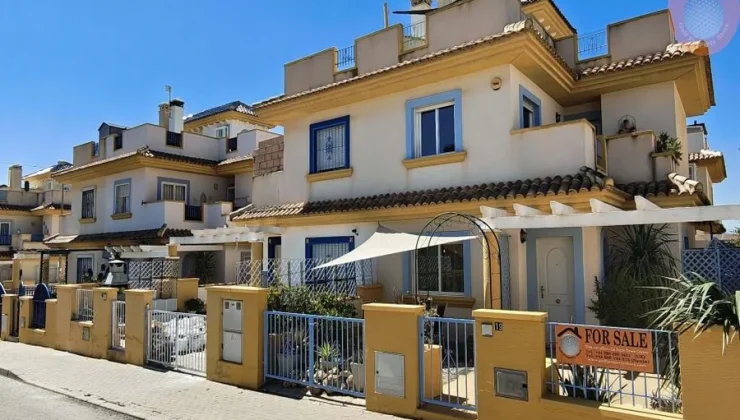
There’s a particular kind of satisfaction in finding a place that hasn’t been fully discovered yet. Murcia has been edging towards that moment for years. The climate is excellent, the coastline is genuinely beautiful, the prices have been significantly lower than comparable Spanish regions, and the quality of life is the sort of thing people describe once they’ve actually lived there rather than visited.
That combination is why homes in Murcia are attracting more serious attention from international buyers in 2026 than at any previous point. And it’s worth understanding what’s actually driving that before making any decisions.
The Numbers Behind the Interest
Murcia’s property market grew by roughly 24% in 2025, making it Spain’s top-performing region for price growth, ahead of both Madrid and Barcelona. That’s a striking figure. It reflects a combination of international demand that’s been building steadily and a supply constraint that hasn’t eased quickly enough to keep prices in check.
Foreign buyers now account for nearly one in four property transactions across the region. British, Belgian, and Scandinavian purchasers are leading coastal demand, which is consistent with the broader pattern of Northern European buyers choosing Murcia’s Costa Cálida over more established and considerably more expensive alternatives on the Costa del Sol.
The median housing price as of early 2026 sits around 146,000 euros. The average runs higher at roughly 185,000 euros, pushed up by larger coastal properties and recent developments. With a budget of around 180,000 to 250,000 euros, it’s still possible to find a comfortably sized property with a pool and open views within range of the coast. That entry point doesn’t exist on most of the Spanish Mediterranean any more.
What the Costa Cálida Actually Offers
The coastline stretching along Murcia’s Mediterranean edge is the clearest reason most international buyers arrive here. The Mar Menor, Europe’s largest saltwater lagoon, provides calm, shallow warm water that’s genuinely different from open sea beaches. The surrounding area has been developing steadily, with new projects around San Javier, Los Alcázares, San Pedro del Pinatar, and the Santa Rosalía development attracting significant buyer interest.
Average temperatures sit around 19 degrees Celsius throughout the year. Murcia city has more than 300 days of sunshine annually, which is one of the highest figures in Europe. The extended season means rental income for investment buyers isn’t compressed into a few summer months. Consistent demand from visitors runs from spring through to late autumn in a way that shorter-season coastal markets don’t deliver.
Inland Murcia Is a Different Conversation
Most of the headline figures relate to coastal areas, which can make the inland picture feel less exciting than it actually is. The interior of Murcia is genuinely distinct from the coast and appeals to a different type of buyer. Smaller towns, historic architecture, slower pace, lower prices, and a connection to local Spanish life that the coastal developments don’t always provide.
Buyers coming from cities who want space, quiet, and a genuine lifestyle change rather than a holiday property tend to gravitate towards the inland areas around Lorca, Totana, and the villages of the Ricote Valley. Properties here are considerably more affordable than coastal equivalents and the renovation market offers opportunities that have largely closed on the Costa Cálida where prices have moved significantly.
The practical consideration for inland buyers is connectivity. Corvera Airport near Murcia has improved access to the region considerably and the road network is decent throughout. But daily life without a car is difficult inland in a way it isn’t in the coastal towns.
The Investment Case Is Straightforward
Rental yields in Murcia average around 7.49%, which exceeds the Spanish national average. In specific coastal areas, yields are higher. San Pedro del Pinatar saw rental prices increase by 27% in 2024, reaching around 8.50 euros per square metre. The continued shortage of rental housing across the region keeps supply tight enough that investors are achieving returns that coastal markets in France, Portugal, and most of Italy no longer offer.
The longer-term price projection is also supportive. Property prices in Murcia are expected to grow by a cumulative 55% to 80% over the next ten years based on current trajectory. Even accounting for forecast uncertainty, the structural case is solid. Demand from international buyers is growing, new supply isn’t keeping pace, and Murcia remains meaningfully more affordable than the other Mediterranean coastal regions competing for the same buyers.
What the Buying Process Actually Involves
Spain’s property purchase process is more involved than a UK transaction and worth understanding before starting any search. NIE numbers, the foreigner identification number required for any property purchase, need to be obtained before completion. A notary oversees the formal transfer of title. Purchase costs including transfer tax, notary fees, and registration typically add 10% to 13% on top of the purchase price for resale properties, and around 13% to 15% for new builds where VAT applies instead of transfer tax.
Properties in Murcia typically sell at around 4% to 6% below asking price, which leaves some room for negotiation. Homes are moving faster than they were two years ago, with average time on market running around 85 to 90 days for well-priced properties in desirable areas. In competitive coastal locations, well-priced properties are moving considerably faster than that.
Legal due diligence matters here. Title checks, planning status, and building licence verification are all essential steps before committing to anything. Working with a bilingual independent solicitor rather than a solicitor recommended by the selling agent is the single most important practical step any foreign buyer can take.
Why Now Rather Than Later
The question of timing comes up regularly and the honest answer is that waiting has cost money in Murcia for the past three years. Prices have risen faster than most analysts predicted and the structural factors driving that growth haven’t changed. International demand is increasing, supply constraints aren’t resolving quickly, and the lifestyle proposition isn’t diminishing.
That doesn’t mean any property at any price makes sense. Location, legal status, rental potential, and realistic renovation costs all still determine whether a specific purchase is a good one.