
How Animal Hospitals Provide 24/7 Emergency Support
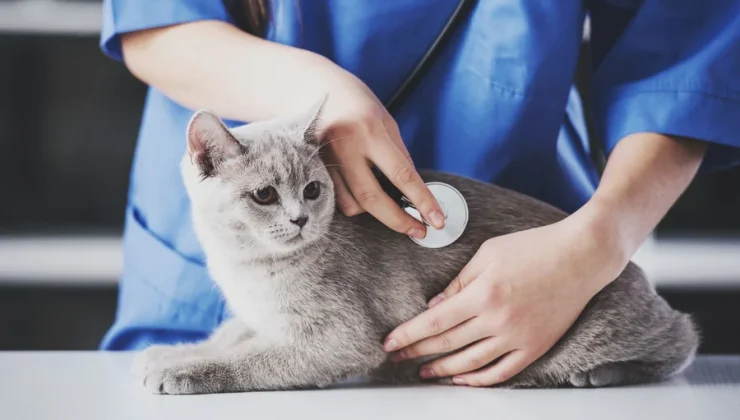
When your animal is in crisis at night, you need fast help, not guesswork. That is why many animal hospitals keep doors open every hour of every day. You can call, walk in, or get rushed care when minutes feel heavy. Staff watch for pain, shock, and breathing trouble. They act first, then explain each step so you are never left in the dark. A New Hamburg, ON veterinarian may use blood tests, X rays, and close checks to find the cause and start treatment right away. You see clear choices, clear costs, and clear next steps. You get a place to go when your animal eats something sharp, is hit by a car, or suddenly cannot stand. This blog explains how 24/7 emergency support works, what to expect when you arrive, and how to prepare before trouble hits.
What 24/7 Emergency Care Really Means
Round the clock care means a team is ready every hour. You do not wait for office hours. You do not watch the clock and hope.
Most 24/7 animal hospitals offer three key services:
- Phone triage so you know if you should come in right away
- Walk in emergency exams for sudden illness or injury
- Overnight care for animals that are not stable enough to go home
You get fast action, clear talk, and a safe place for hard choices.
Common Reasons You Might Need Emergency Help
You know your animal better than anyone. You also know when something feels wrong. Some problems need urgent care right away. You should seek help fast if your animal:
- Has trouble breathing or breathing that sounds harsh
- Cannot stand or keeps collapsing
- Bleeds and the bleeding does not stop with light pressure
- Has a swollen belly and seems restless or in clear pain
- Is hit by a car or takes a hard fall
- May have eaten medicine, chemicals, plants, or sharp objects
- Has a seizure, even a short one
- Cries out when touched or hides and will not move
If you are unsure, you can call. Staff can help you decide if you should come in now or watch at home for a short time.
What Happens When You Arrive
In an emergency, every step has a clear goal. Protect breathing. Protect blood flow. Ease pain. Then find the cause.
When you walk in, you can expect three quick steps.
- Triage at the front. Staff look at breathing, alertness, and bleeding. The most serious cases go in first.
- Stabilizing care. The team may place an IV line, give oxygen, or control bleeding before a full exam.
- Focused exam and tests. The veterinarian checks the heart, lungs, belly, nerves, and wounds. They may order blood work or X rays.
You hear clear plain words. You can ask direct questions. You get simple choices, not confusing talk.
Tests and Tools Used in Emergencies
Emergency hospitals rely on fast tests. These tests help guide each step of care.
- Blood tests check organ function, infection, and blood loss.
- X rays show broken bones and swallowed objects.
- Ultrasound shows bleeding inside the belly or chest.
- Blood pressure checks show shock or hidden blood loss.
- ECG records heart rhythm problems.
Many hospitals use point of care tests that give results in minutes. You do not wait long for answers. You get a plan while you are still in the room.
Who Works In A 24/7 Animal Hospital
Emergency care needs a full team. Each person has a clear role.
- Veterinarians lead exams, make diagnoses, and set treatment plans.
- Registered veterinary technicians place IV lines, give medicine, and watch monitors.
- Support staff handle check in, billing, cleaning, and comfort items.
Some hospitals also have access to surgeons, internal medicine doctors, and other experts. You get a full team ready to step in if your animal needs surgery or special care.
Comparison of Daytime Clinics and 24/7 Hospitals
| Service | Regular Daytime Clinic | 24/7 Emergency Hospital
|
|---|---|---|
| Hours | Set daytime hours | Open every hour, every day |
| Walk in emergencies | Often limited | Core service |
| On site lab tests | Some tests sent out | Many rapid tests on site |
| Imaging | Basic X rays | X rays and often ultrasound any time |
| Overnight care | Often not staffed | Staff present all night |
| Focus | Routine visits and planned care | Unplanned illness and injury |
This comparison helps you decide when you need emergency care and when you can wait for your regular clinic.
How Hospitals Keep Your Animal Safe Overnight
Overnight care is often the hardest part for families. You leave your animal at the hospital. You go home with worry. Strong systems can help ease that fear.
Most 24/7 hospitals offer:
- Frequent checks on breathing, heart rate, and comfort
- Medication given on strict schedules
- Warming or cooling for body temperature problems
- Quiet spaces for rest and recovery
- Phone updates at set times or when anything changes
You can ask how often staff check on your animal. You can ask what monitors they use. You can request clear update times so you know when to expect news.
Your Role As Part Of The Care Team
You stand at the center of each choice. The team needs your voice. You can help by:
- Sharing a clear history of what you saw and when it started
- Bringing a list of medicines and doses
- Sharing known allergies or past reactions
- Asking for plain language if you hear words you do not know
- Asking for written instructions before you leave
The American Veterinary Medical Association urges owners to prepare a written summary of their animal’s health before an emergency. You can keep this in your wallet or on your phone.
Planning Ahead Before An Emergency
You cannot predict every crisis. You can still prepare. Smart planning saves time when every minute feels heavy.
You can:
- Find the nearest 24/7 animal hospital and save the number in your phone
- Know the fastest route and a backup route
- Keep a carrier or leash by the door
- Prepare a small kit with a towel, muzzle, and copy of vaccine records
- Learn simple first aid skills from trusted sources
The Centers for Disease Control and Prevention offers clear guidance on staying safe around animals. You can use this to protect your family while you help an injured dog or cat.
When You Go Home After Emergency Care
Going home can bring relief and strain. You now carry the next steps. You also carry fear that the problem could return.
Before you leave, you can ask for three things.
- A written summary of the visit and diagnosis
- Clear home care steps with times and doses
- Signs that mean you should return right away
You can also schedule a follow up visit with your regular clinic. Routine care works better after emergency treatment when everyone shares the same clear plan.
When you know how 24/7 animal hospitals work, you gain more than facts. You gain calm in the middle of fear. You gain a clear path when your animal needs help at any hour.